

- Uncategorized
- June 9, 2020
What a plant lover needs to learn from NASA’s experiments
Earlier this year, tiny green plants made an extraordinary debut on the Moon.
Cotton seeds were sent aboard a Chinese spacecraft that landed on the far side of the Moon. Enclosed in a specially designed container, the seeds had access to all they needed to grow: water, air, soil, and a heating system. As they sprouted, the cotton plants (Gossypium) formed what looked like a miniature forest, marking a small but significant milestone for humanity and an impressive leap for the plant world.
However, just a few days later, the plants perished.
With the onset of lunar night, temperatures on the Moon plummeted to -52 degrees Celsius, causing the heating apparatus to fail and leading to the freezing of the cosmic plants.
Since the dawn of space exploration, scientists have recognized the necessity of growing plants in space not just to create a comfortable environment for astronauts, but to provide essential food for long-duration missions. Earth-based supplies cannot sustain travellers indefinitely, and a space greenhouse could ensure a continuous supply of nutrients.
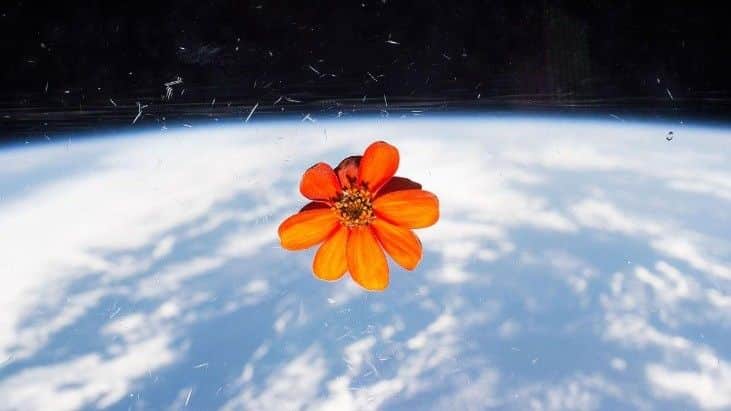
A key challenge for NASA botanists has been understanding how plants would respond to the absence of gravity. As Darwin noted, gravity plays a crucial role in guiding root growth. To their surprise, space experiments revealed that plants can thrive without gravity, requiring only soil, water, nutrients, heat, and light.
In 2015, astronauts aboard the International Space Station enjoyed the first salad made from plants grown in space, enhanced with a touch of balsamic vinegar. “It tastes good,” remarked NASA astronaut Kjell Lindgren.
If we can successfully cultivate plants on the Moon, why not incorporate them into our own spaces, whether at home or work? Doing so could enhance air quality and contribute to our overall well-being.
