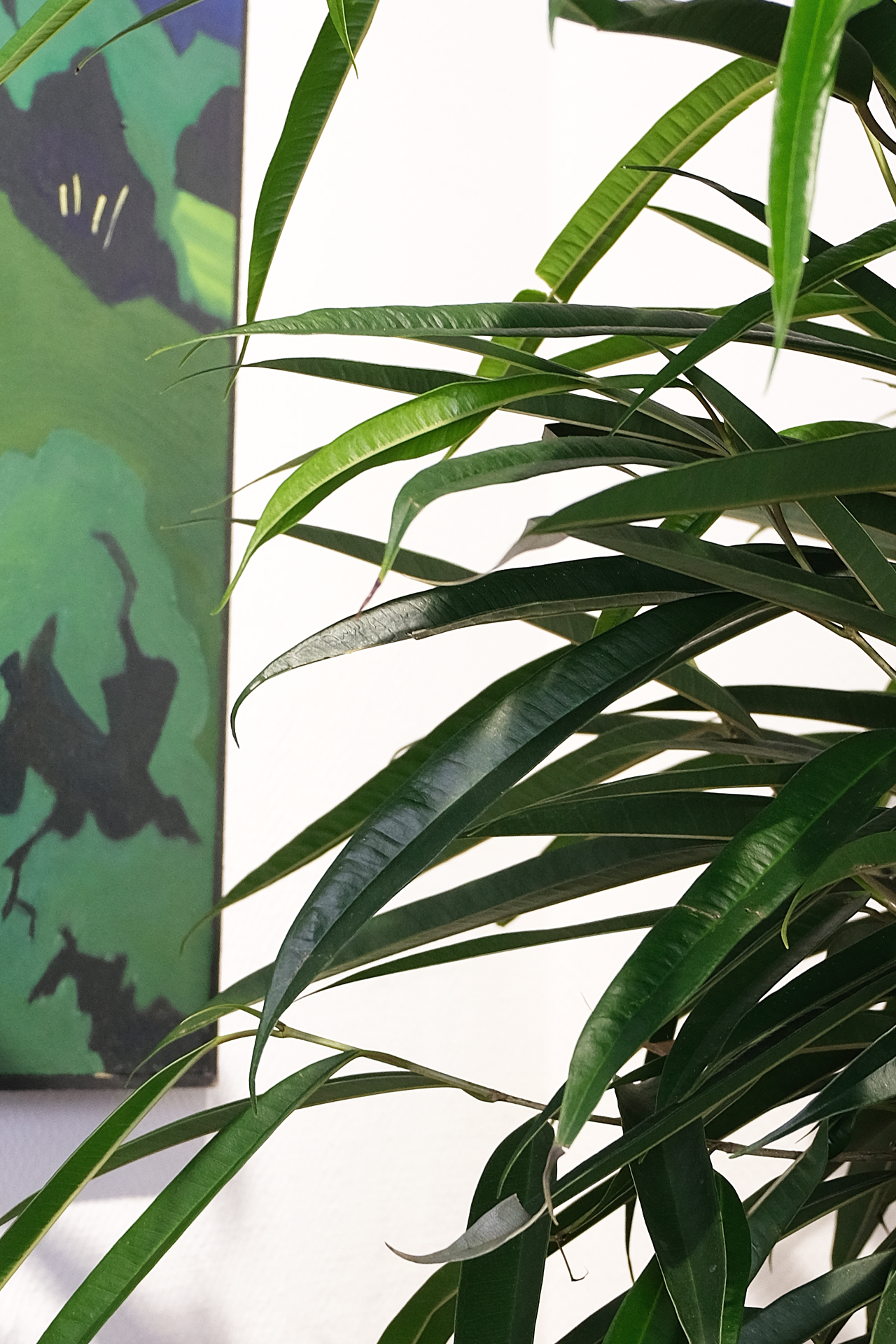
Scindapsus Global Green is a captivating and versatile indoor plant, admired for its lush green foliage and exceptional air-purifying qualities. Scindapsus ‘Global Green’ adds a touch of natural elegance to any interior space while contributing to a healthier and more vibrant environment. Discover the beauty and purifying benefits of this houseplant in your home or office. Learn how to care for it in the Plant Library.
The plant is offered in a simple factory pot. We recommend and with a great pleasure will help you to choose a new and suitable one.
Medinilla magnifica is an exotic indoor plant, renowned for its stunning, vibrant pink flowers that gracefully hang down. It adds an elegant touch to any space, making it perfect for those who seek a unique and refined decor. Learn how to care for this green guardian in the Plant Library.
The plant is offered in a simple factory pot. We recommend and with a great pleasure will help you to choose a new and suitable one.
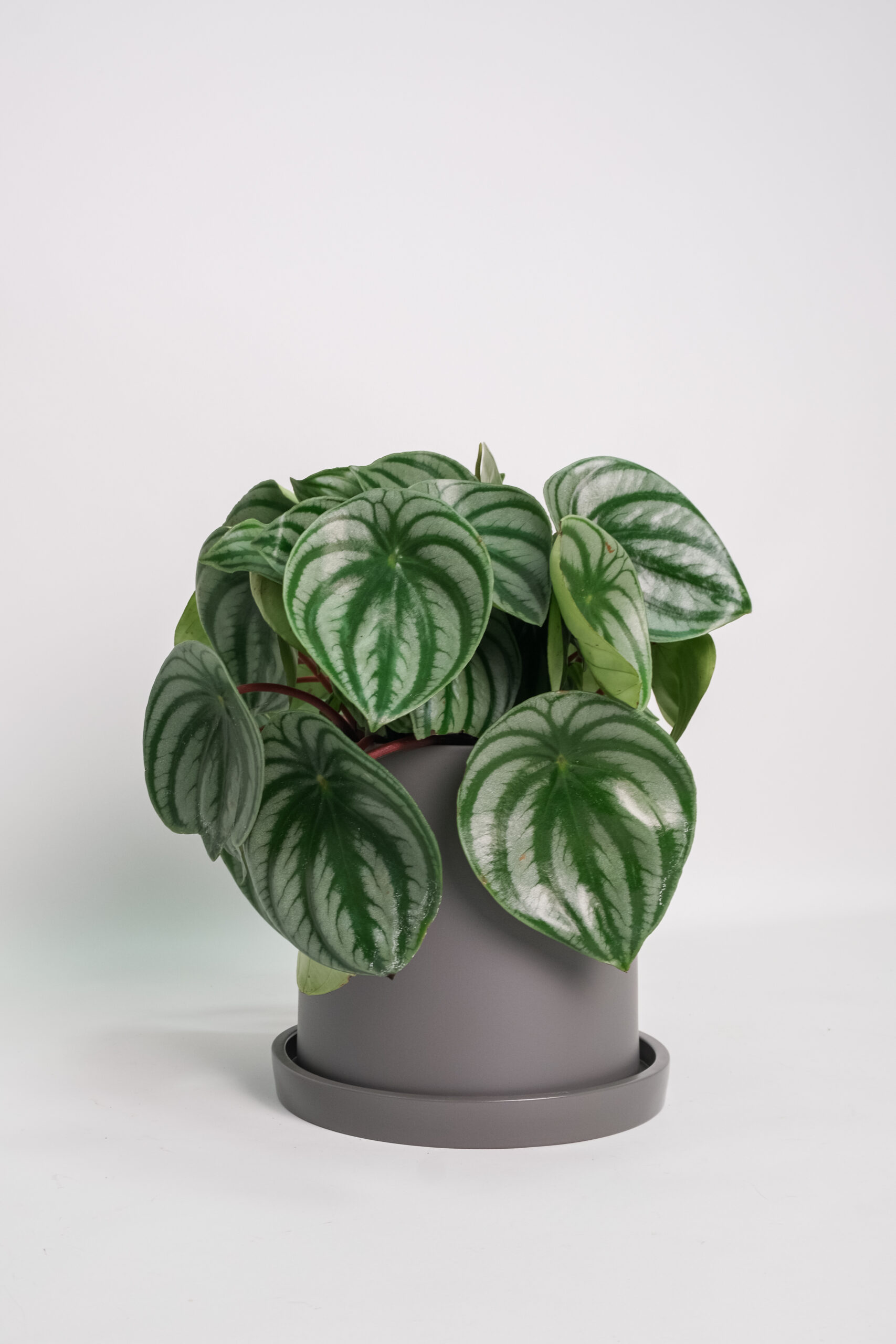
Who can resist a houseplant that looks like it has just come from the market, with leaves that look like tiny watermelons? Peperomias are a symbol of good luck in Brazil and are often given as gifts. They’re not just fabulous to look at—they also make a striking focal point on your desk, in the kitchen, or on your bookshelf. They’re a fantastic tropical species for beginners. For tips on how to care for them, be sure to visit the Plant Library.
The plant comes in a basic nursery pot. We are happy to suggest and help you choose a new and appropriate one.
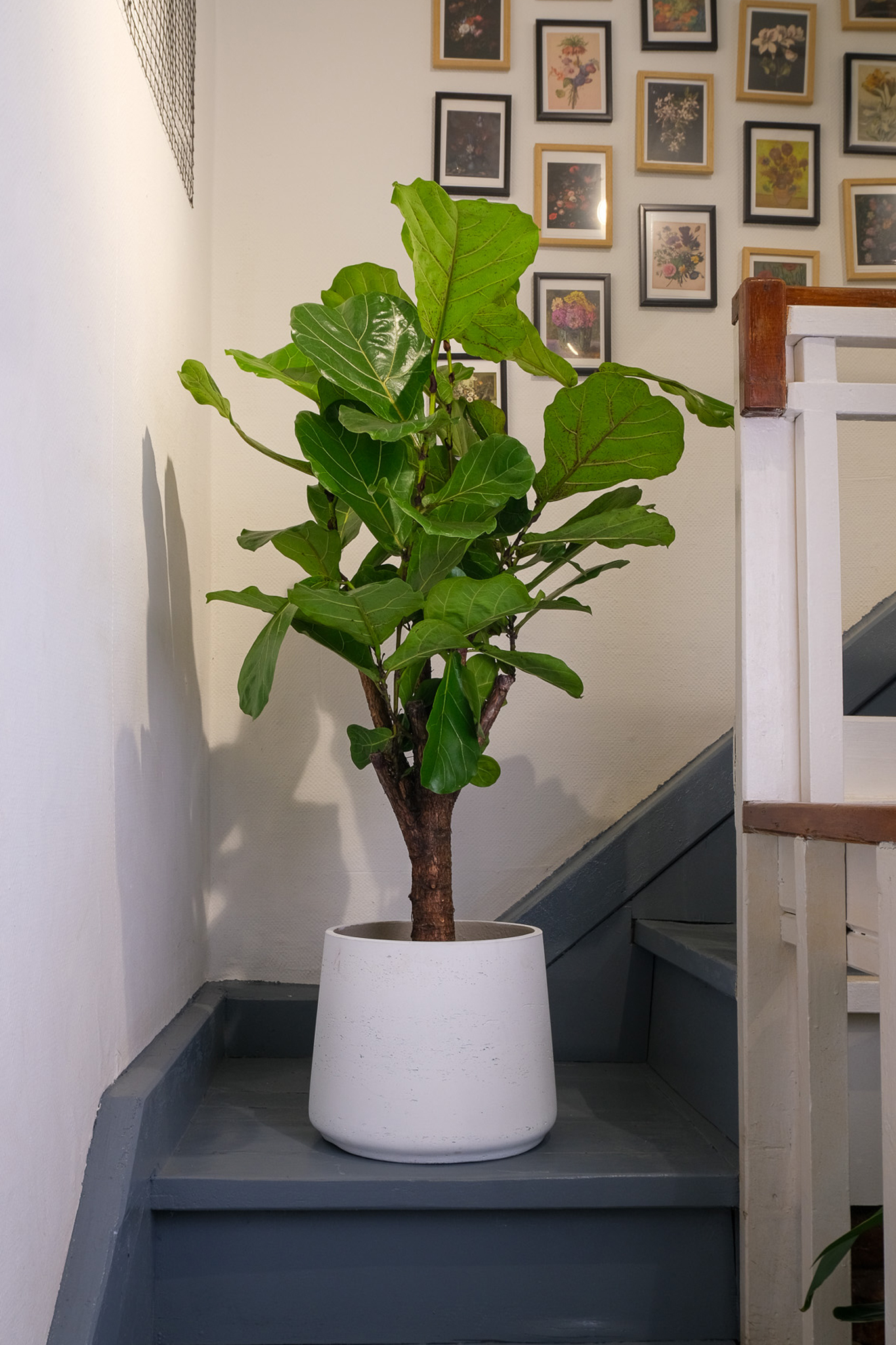
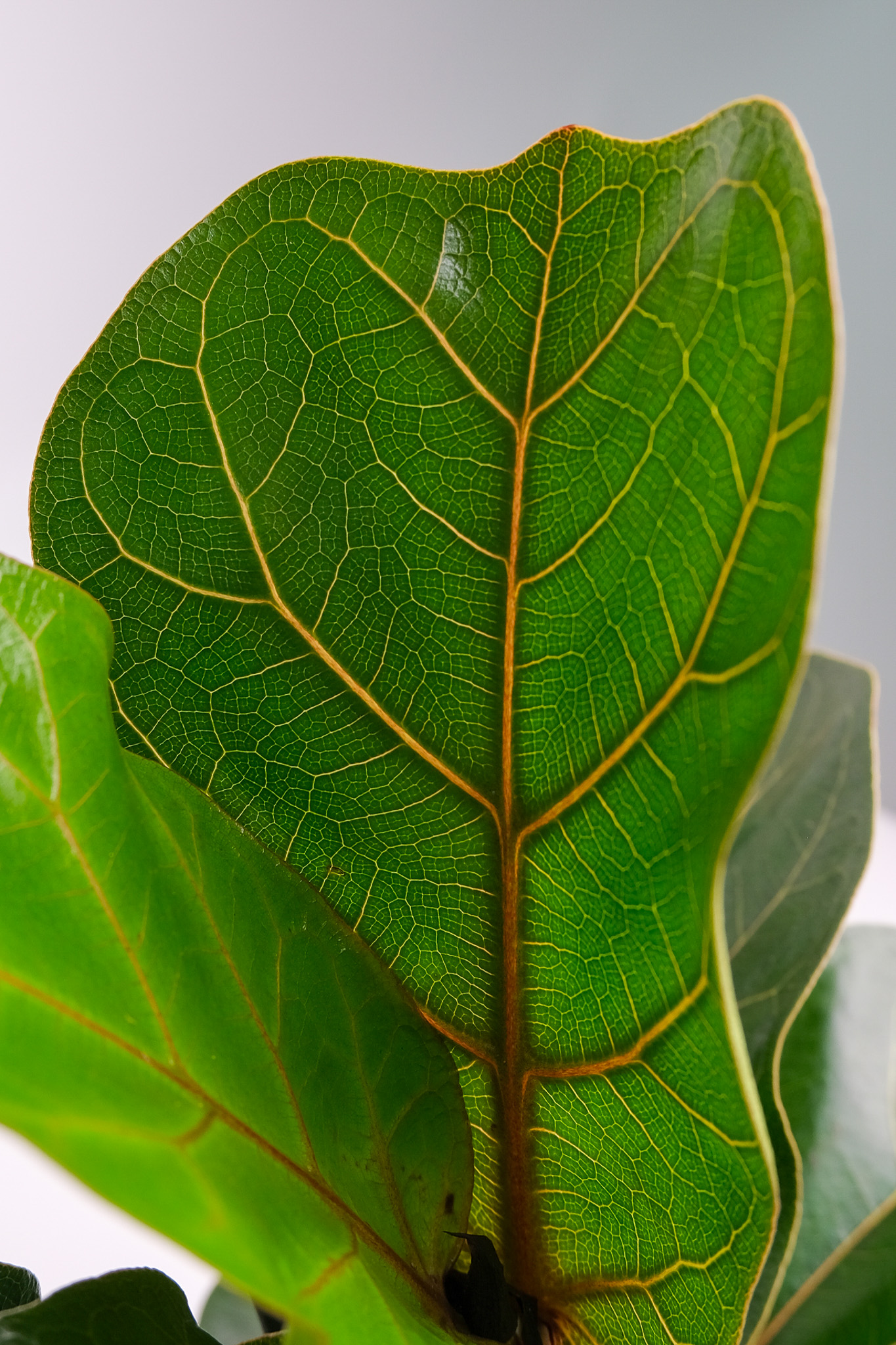
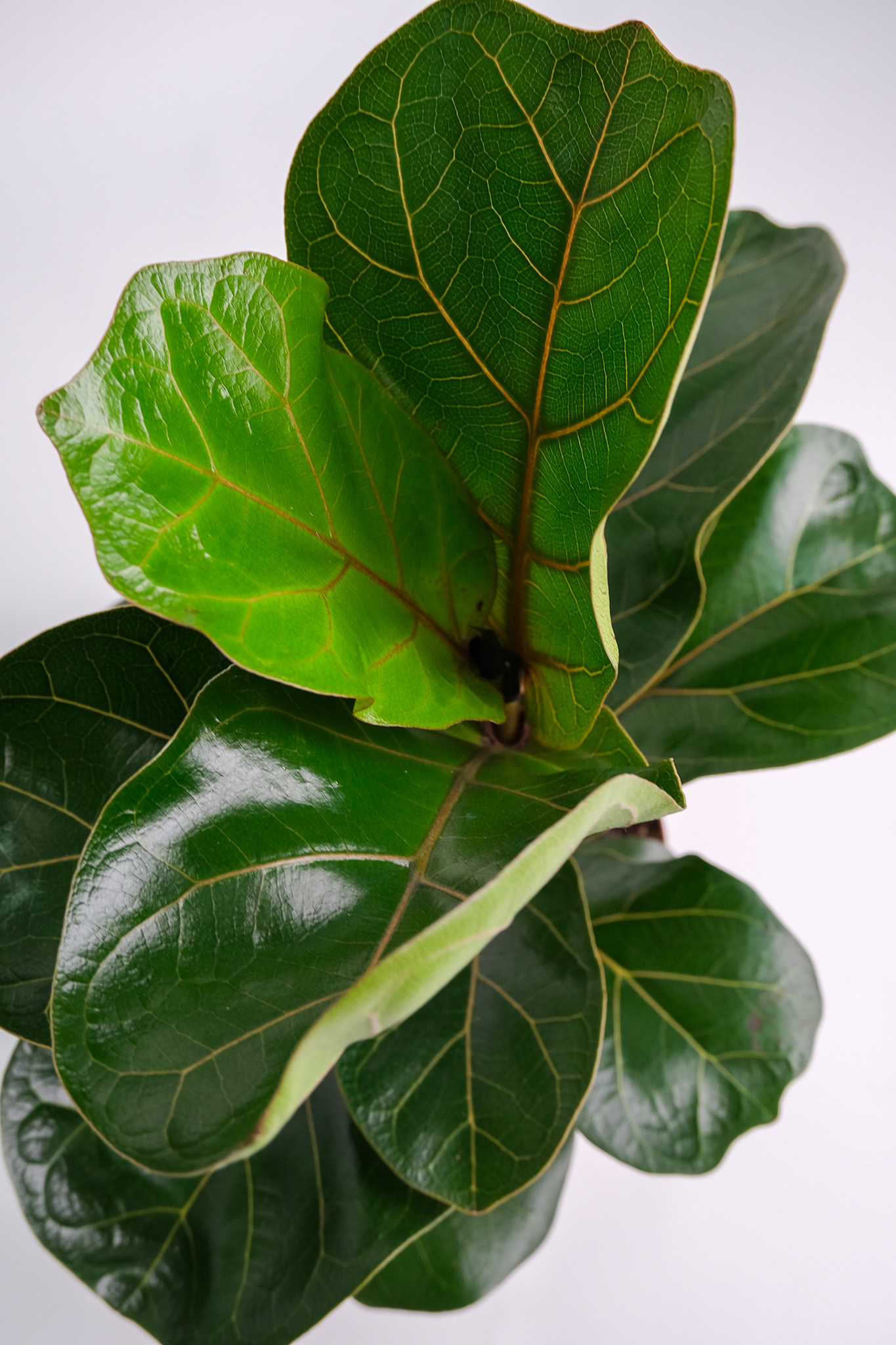
Ficus lyrata has been creating waves of admiration all over the world over the last few years. Thanks to its numerous appearances in popular design magazines, blogs and social media, this plant has been catapulted to superstar status in the plant world. How to care for it, find out inPlant Library.
The plant is offered in a simple factory pot. We recommend and with a great pleasure will help you to choose a new and suitable one.
A lemon blossom at home is more than just a plant – it’s a little ambassador of summer. Growing a lemon tree indoors can bring an old-world charm to your home, not to mention providing a beautiful fragrance. But like any new houseplant, it’s important to understand a lemon tree’s needs before you get started. The Plant Library is here to help!
The fruits are not edible and have a decorative role. We recommend eating the fruit after the second fruit. The plant is offered in a simple factory pot. We recommend and with a great pleasure will help you to choose a new and suitable one.
Native to Peru, Fittonia is a strikingly beautiful plant that transforms from a ground-spreading vine to an eye-catching houseplant indoors. Its leaves feature contrasting veins in shades of green, pink, red and white, creating a visually stunning display.
Owning a Fittonia will cultivate your discipline. To keep this plant thriving, you need to water it consistently. Neglect this routine and it will wither dramatically. However, a simple drink of water will quickly revive it. Fittonia’s dramatic wilting is a clear sign that it needs water, making it an easy plant to care for once you understand its needs.
Fittonia is not a plant to be forgotten on the windowsill like succulents. Instead, it is a gentle reminder of the joys of gardening and the importance of staying hydrated.
Ferns sparked the first houseplant craze and are still a great choice, especially the unpretentious Phlebodium.
Native to the rainforests of South America, it’s like a ball of light that’s wandered into your living room, but don’t worry, it knows how to blend in with style.
See what conditions it prefers in Plant Library.
The plant is offered in a simple factory pot. We recommend and with a great pleasure will help you to choose a new and suitable one.
The cactus, with its innate self-sufficiency and unique appearance, makes a fantastic addition to any home décor.
Cacti are native to South America. They are said to have been around since prehistoric times – archaeological digs have shown that people used to grow them for their fruit.
Today, a cactus is an addition to a room because of its remarkable shape, size and flowers. Just as no two cacti are alike, this plant is a unique way to decorate your space: either perched on a windowsill or beautifully arranged on a shelf. And when you least expect it, the cactus knows how to surprise you with pink globules and magnificent flowers at the top.
The plant comes in a basic nursery pot. We are happy to suggest and help you choose a new and appropriate one.
Stoc epuizat
This product has multiple variants. The options may be chosen on the product page
Despite its cactus-like appearance, Euphorbia Lactea ‘Cristata’ is a hybrid of two succulents. Its branches are fan-shaped and have an almost wavy pattern. The colour of the stem and branches can vary from bright green to blue-grey or even silver. The wavy edges of the branches can even turn pink under stress.
For obvious reasons, collectors of unusual and rare succulents adore it for its stunning crest. It requires little care and is similar to other succulents. Even with proper watering and sunlight, they are slow-growing plants.
Euphorbia Lactea does not thrive in conditions that are too humid and bright. If there is not enough light, this plant will lose its colour and look sickly. Its sap is considered toxic to humans and pets.
The plant comes in a basic nursery pot. We are happy to suggest and help you choose a new and appropriate one.
Aglaonema Pink is the kind of plant that takes its decorating job seriously without putting you to work. With its candy-pink leaves, it looks like it escaped from a pop-art painting. It doesn’t need direct light, preferring partial shade, and if you forget to water it now and then, it won’t hold a grudge. In short, it’s like that friend who asks for little but still manages to brighten your day. Visit the Plant Library for care tips.
The plant comes in a basic nursery pot. We are happy to suggest and help you choose a new and appropriate one.
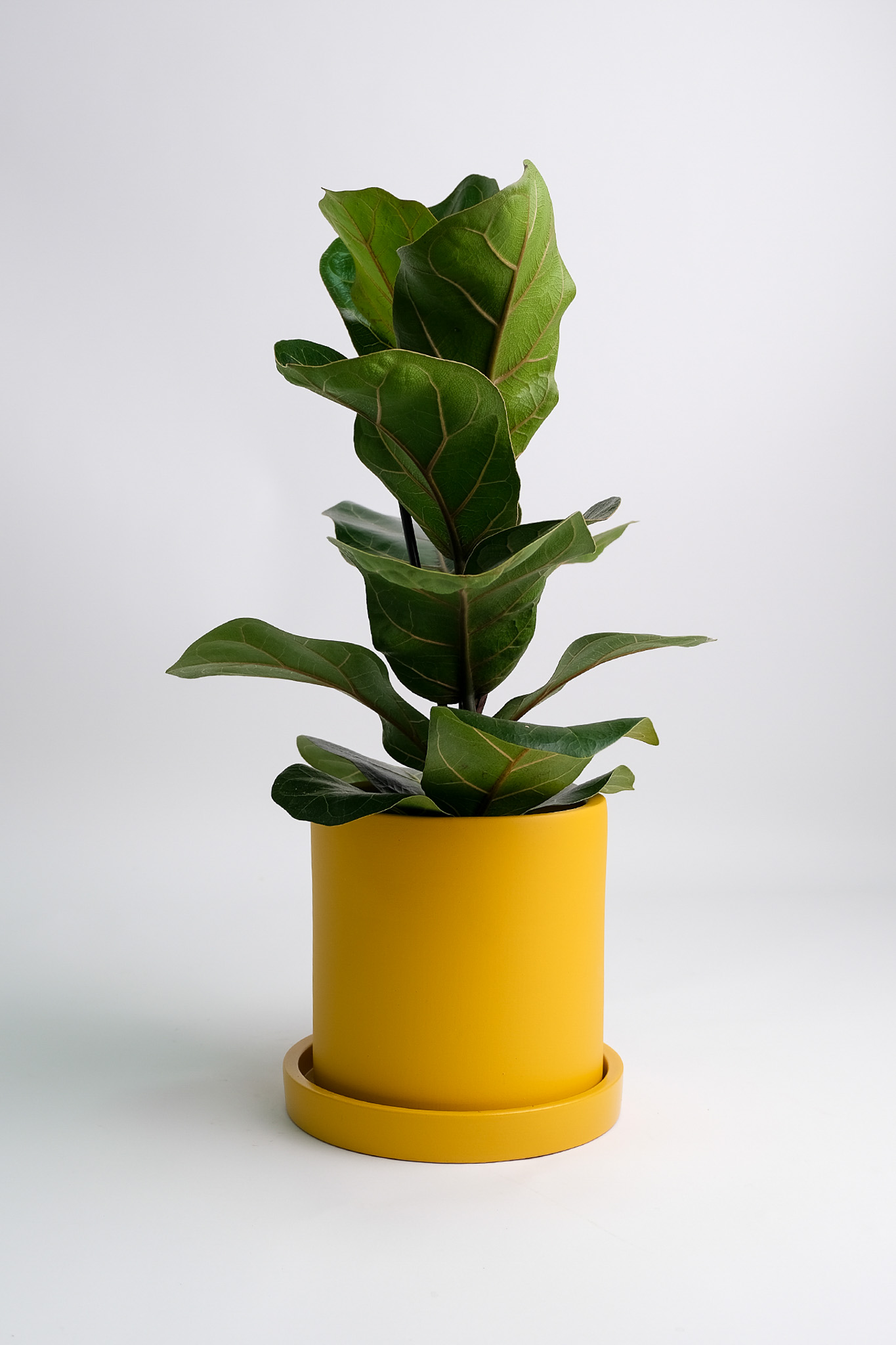
The Ficus Lyrata Bambino is the type of plant that, if it could talk, would greet you with an air of aristocracy and ask, ‘Are you taking good care of me? Because I certainly am looking after the aesthetics of your living room.’ In return for your care, the Ficus Lyrata will make you feel like you’re residing in a botanical art gallery. Discover its refined tastes in the Plant Library.
The plant comes in a basic nursery pot. We are happy to suggest and help you choose a new and appropriate one.
English ivy (Hedera helix variegata) is one of the most common ivy species and the most widely grown. It is very easy to grow, both in pots and as an ornamental outdoor plant. You’ve probably noticed it on the outside of buildings and houses that look like entrances to a secret botanical world.
Potted ivy requires much less water. Before watering, check the consistency of the substrate, which should be loose but dry on the surface. Be careful not to overwater. For optimal lighting, position the plant near a window to ensure it receives abundant light without direct exposure. Poor lighting can reduce the number of leaves and cause them to discolour.
Indoors, it can be placed on a shelf or taller plant stand to allow it to create that eye-catching cascade of creamy white variegated green leaves. It tends to grow vigorously, providing quick results for those who want to transform their room or garden in a short space of time.
The plant comes in a basic nursery pot. We are happy to suggest and help you choose a new and appropriate one.
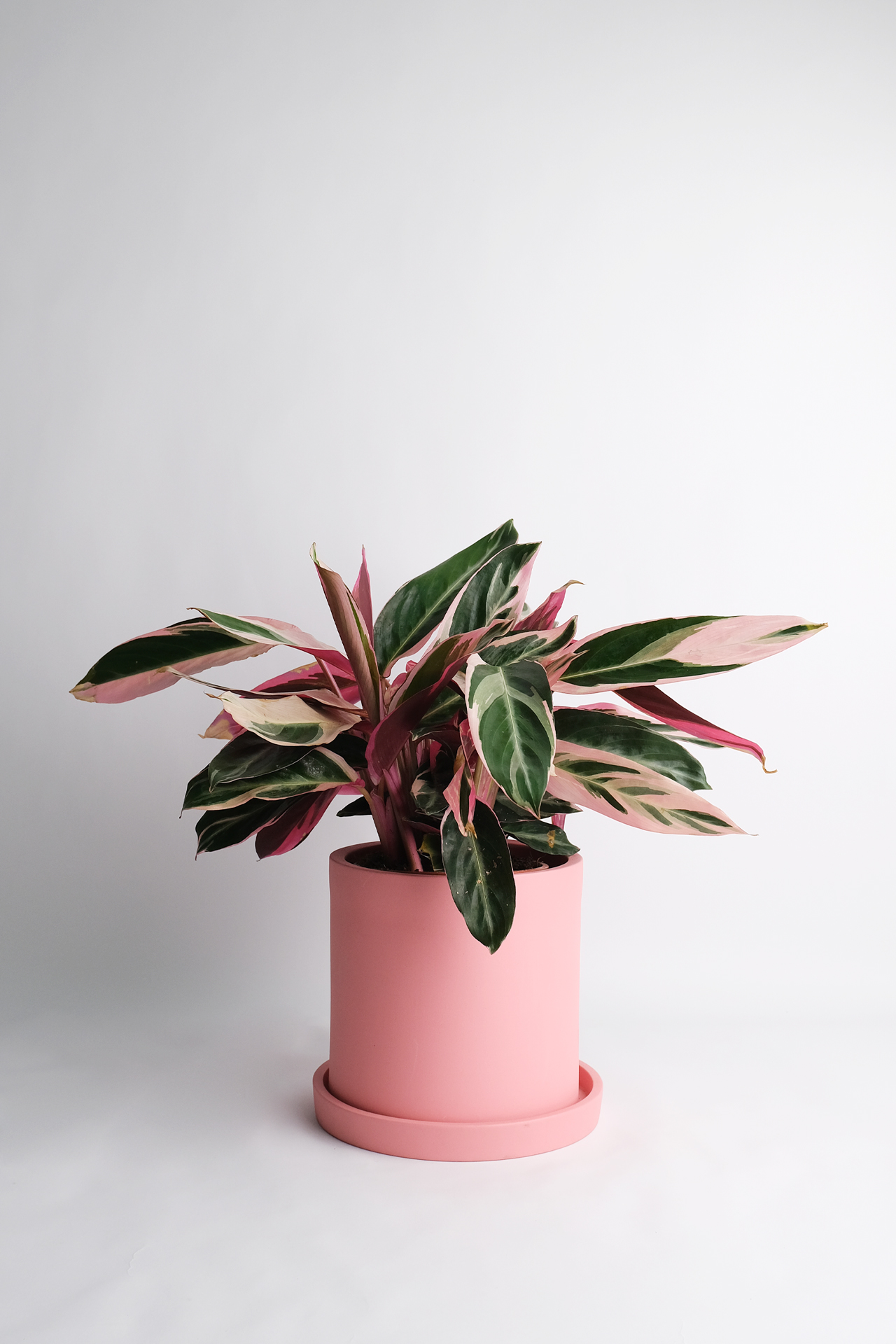
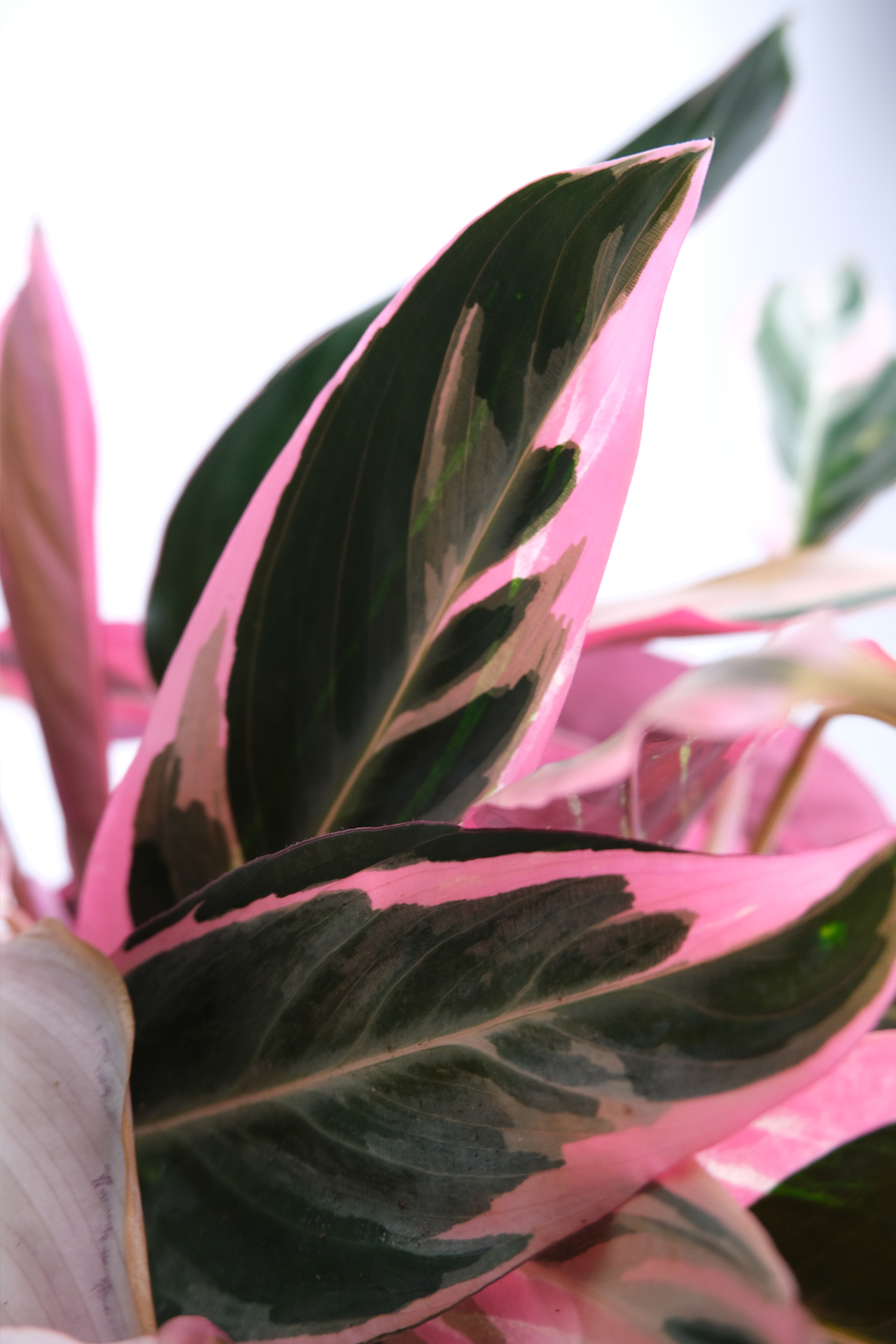
Calathea is one of those plants that makes you want to buy it – vibrant shades of pink, green, and cream swirl together in a mesmerizing pattern that changes as the plant matures. Native to the tropical regions of South America, it thrives in warm, humid environments with indirect light. It prefers well-draining soil and benefits from regular misting to maintain humidity levels.
Bring home the Calathea Triostar and enjoy the beauty of nature’s artistry in your own living space.
The plant comes in a basic nursery pot. We are happy to suggest and help you choose a new and appropriate one.
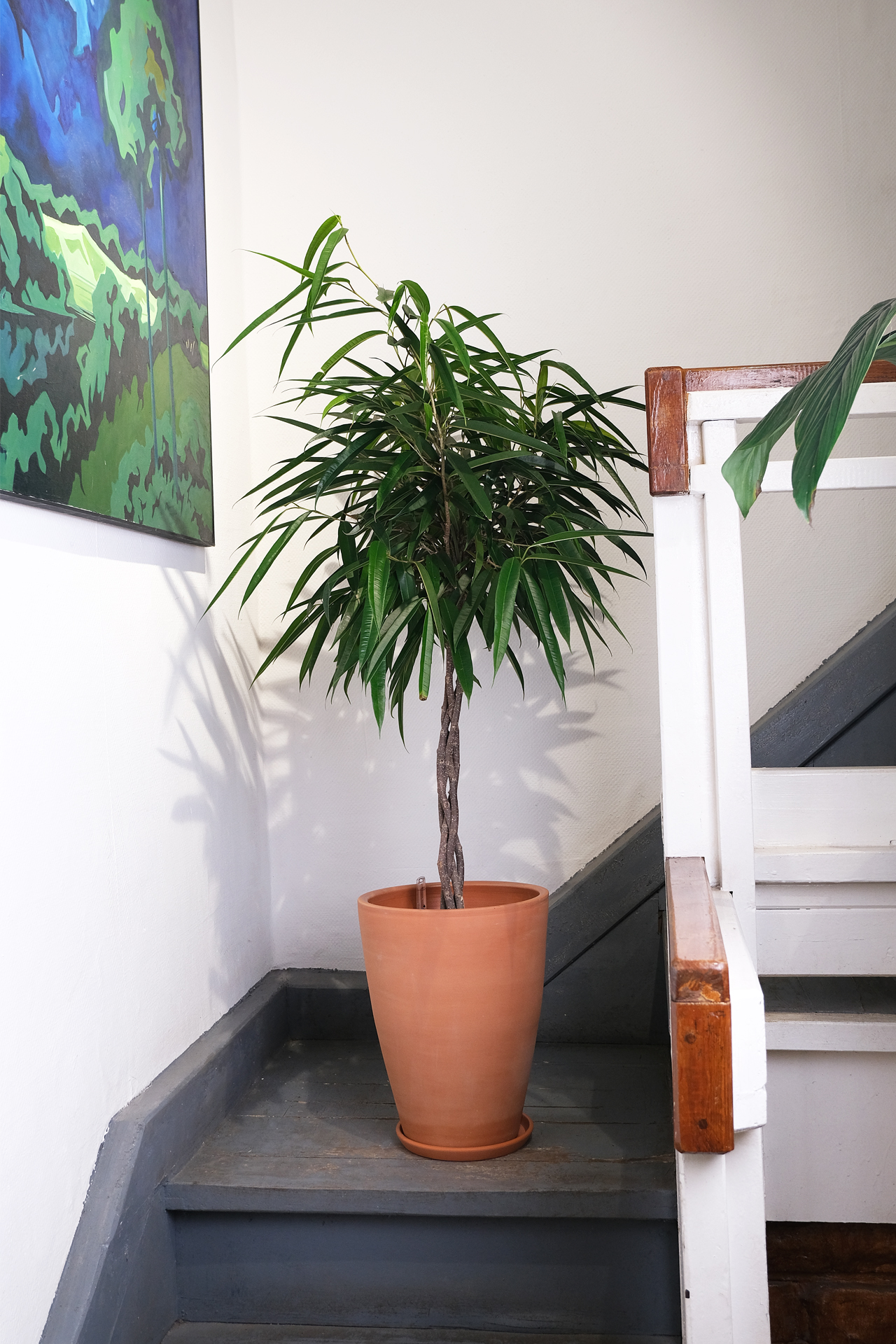
Native to Asia, this tree grows slightly slower than the Ficus Benjamina but is more tolerant and forgiving than other Ficus trees. The name ‘Alii’ is Hawaiian for King. Give your indoor space the royal treatment with this beautiful ornamental houseplant tree. This ficus adds a touch of elegance to any interior with its distinctive twisted trunk. To thrive, it prefers indirect light and moderate humidity.
Preferring full sun to partial shade, your Ficus Alii should be placed in front of a bright window but kept away from the harsh afternoon sun. When watering, allow the soil to dry slightly between waterings to prevent root rot.
The plant comes in a basic nursery pot. We are happy to suggest and help you choose a new and appropriate one.
The Fishbone Cactus hails from the tropical forests of Mexico and has built a successful ‘career’ based on its unusual shape: it resembles a fish’s skeleton. Despite its seemingly sophisticated appearance, the Fishbone Cactus is actually an heir to minimalism. Caring for it is straightforward, and we’ll show you how in the Plant Library.
The plant comes in a basic nursery pot. We are happy to suggest and help you choose a new and appropriate one.
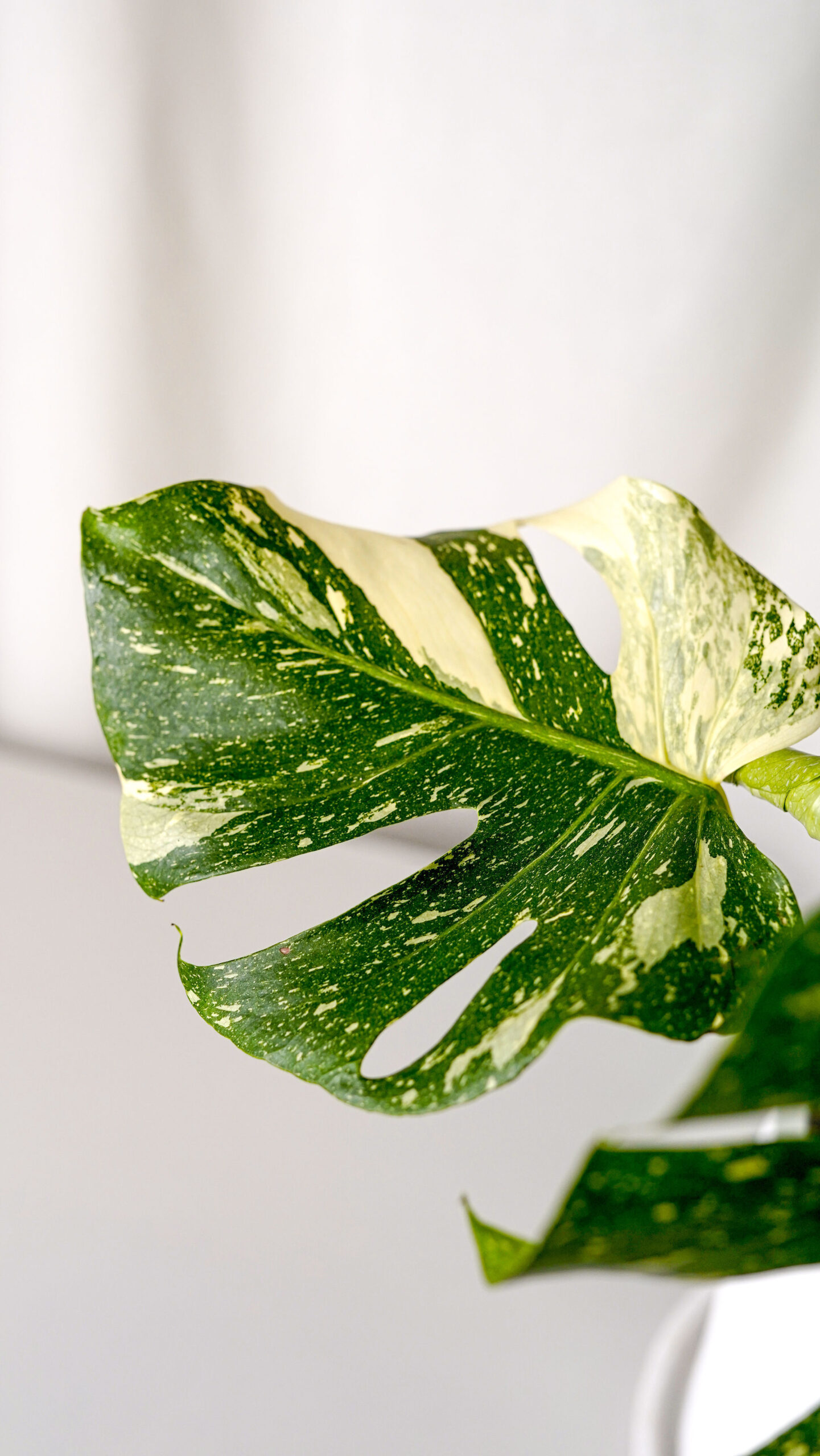
The Monstera Thai Constellation is like a sky full of stars: large, variegated leaves that make you feel as if nature picked up a brush and had a moment of “cosmic inspiration.” Easy to care for, it only requires indirect light and a corner of your living room or bedroom to showcase its tropical splendor. Discover how to nurture this celestial plant in our Plant Library.
The plant comes in a basic nursery pot. We are happy to suggest and help you choose a new and appropriate one.
Tradescantia Variegata este ca o melodie veselă în lumea plantelor, cu frunzele sale variegate ce dansează în adierea vântului. Această plantă aduce o notă de bucurie și optimism în orice încăpere.
Prima oară cultura a fost descrisă de grădinarul John Tradescant, care a servit la curtea regelui englez Carol I. Datorită aspectului său decorativ și ușurinței în îngrijire, Tradescantia a câștigat de mult recunoașterea grădinariților și popularitate largă în floricultura de interior.
Pentru a avea grijă de această “melodie vegetală”, oferiți-i lumină indirectă, udare moderată și curățenie regulată pentru a-i menține vitalitatea și frumusețea.
Planta se oferă în ghiveci simplu de fabrică. Recomandăm și cu mare plăcere alegem unul nou și potrivit.
Cycas palms, native to Japan and southern China, are true living fossils, having existed since before the dinosaurs. Their curved, rigid fronds seem as if they’ve been plucked from a scene in Jurassic Park. Although they resemble palm trees, they are actually cycads—a fascinating prehistoric species. They grow extremely slowly, adding only a few centimetres per year. It’s a plant that knows how to live grandly yet with minimal fuss. Learn how to care for it in the Plant Library.
The plant comes in a basic nursery pot. We are happy to suggest and help you choose a new and appropriate one.
In contrast to its extravagant appearance, the Aglaonema White Kiwi is surprisingly resilient and easy to maintain. This Aglaonema boasts a mesmerizing variegation that is rarely seen, making it a true collector’s gem. In Asian culture, it is associated with luck and prosperity. Learn how to care for it in the Plant Library.
The plant comes in a basic nursery pot. We are happy to suggest and help you choose a new and appropriate one.
The rosemary tree is the kind of plant that does double duty: it decorates your home and perfumes your kitchen. Easy to care for, it only needs a sunny spot—perhaps on a windowsill or in the kitchen, always within reach for an inspired recipe. Discover its preferred conditions in the Plant Library.
The plant comes in a basic nursery pot. We are happy to suggest and help you choose a new and appropriate one.