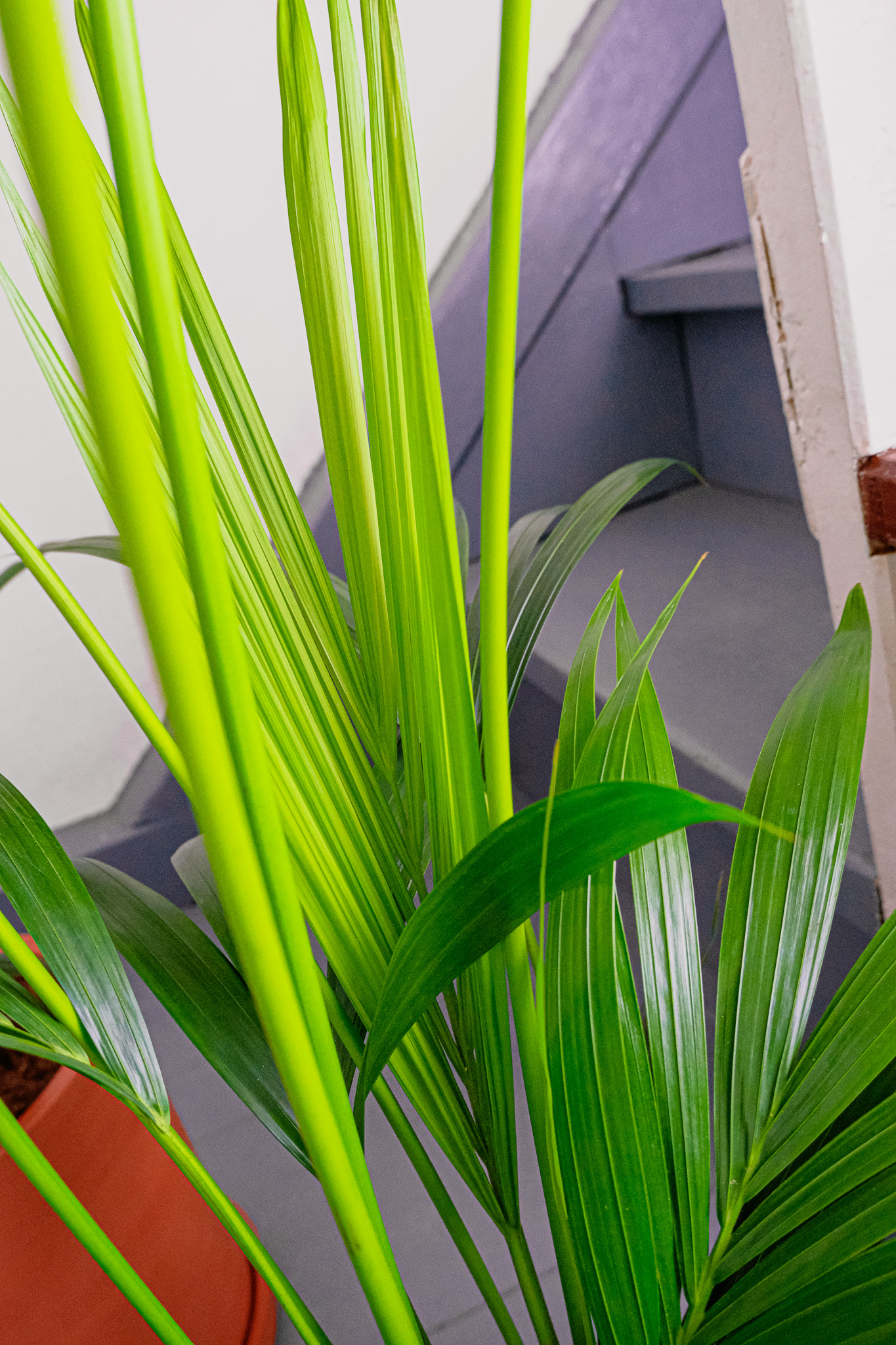
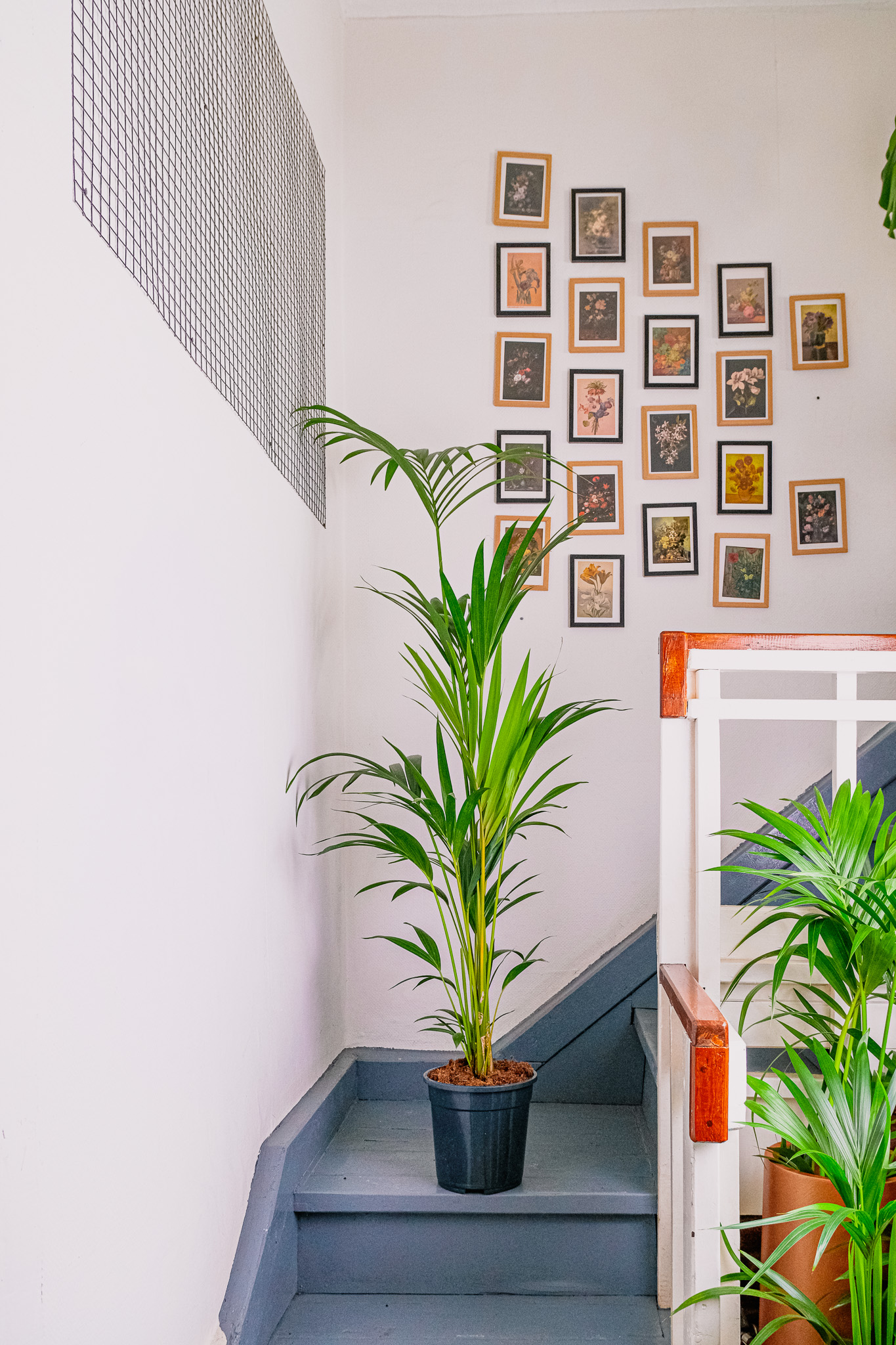
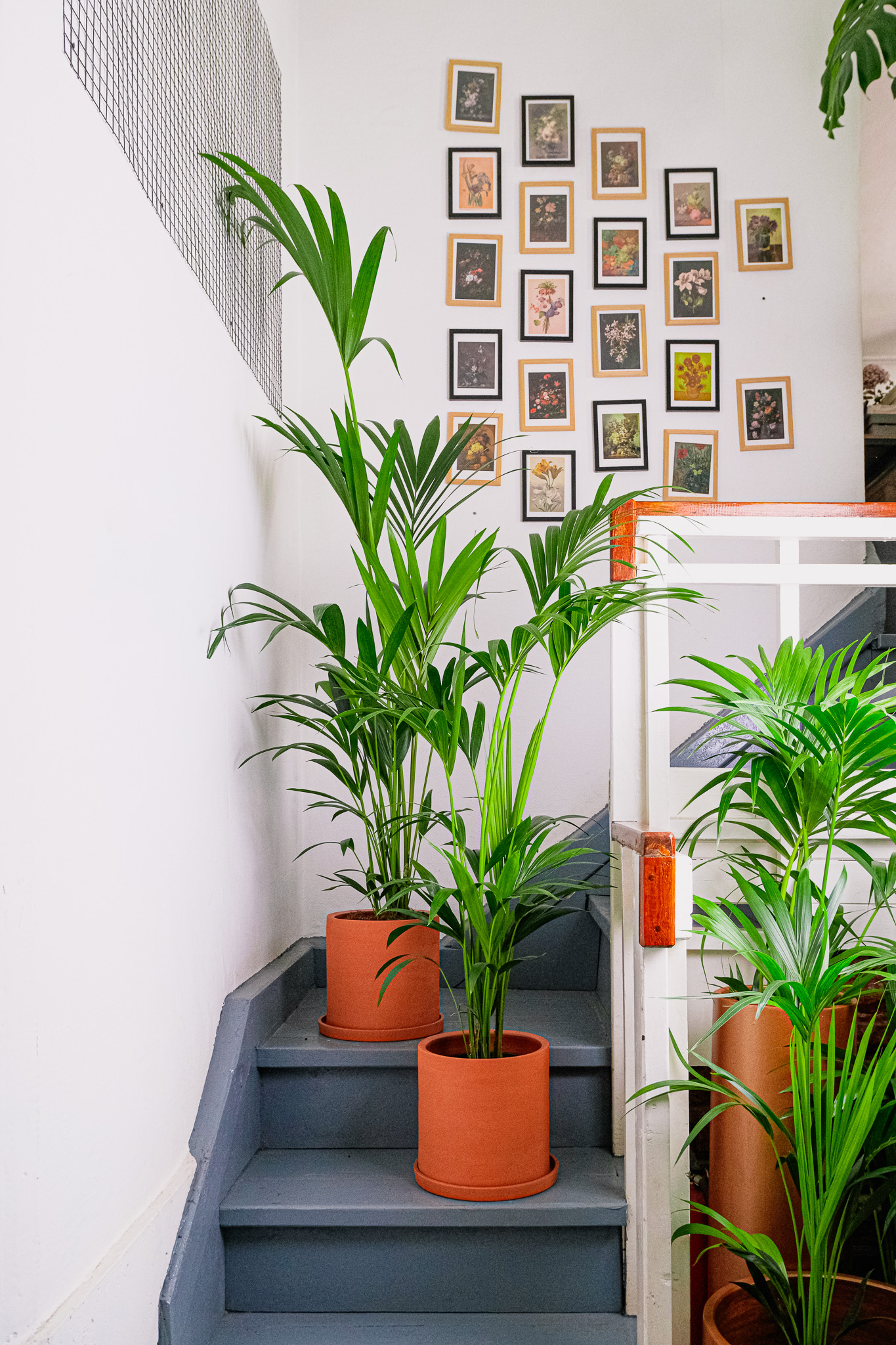
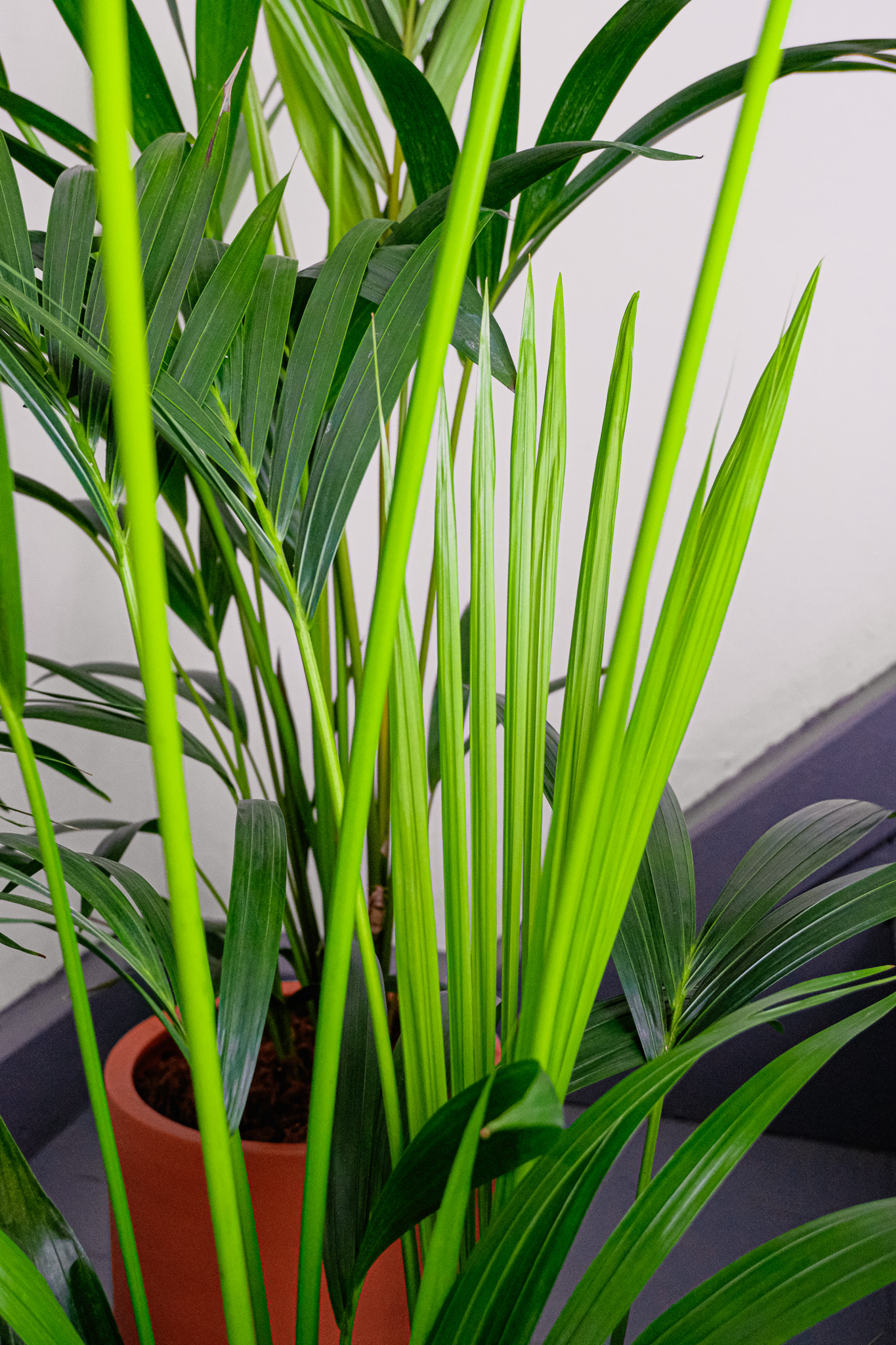
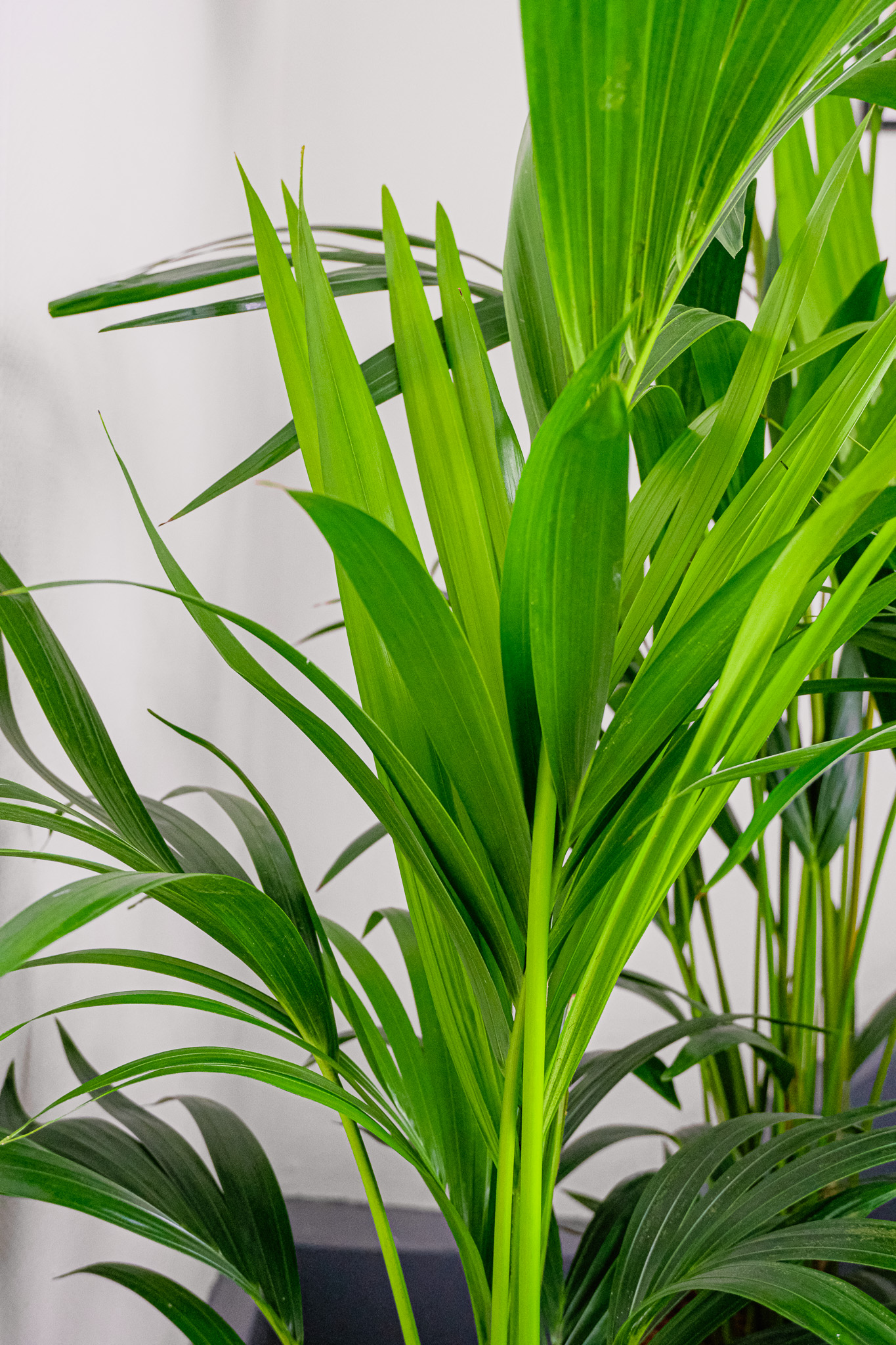
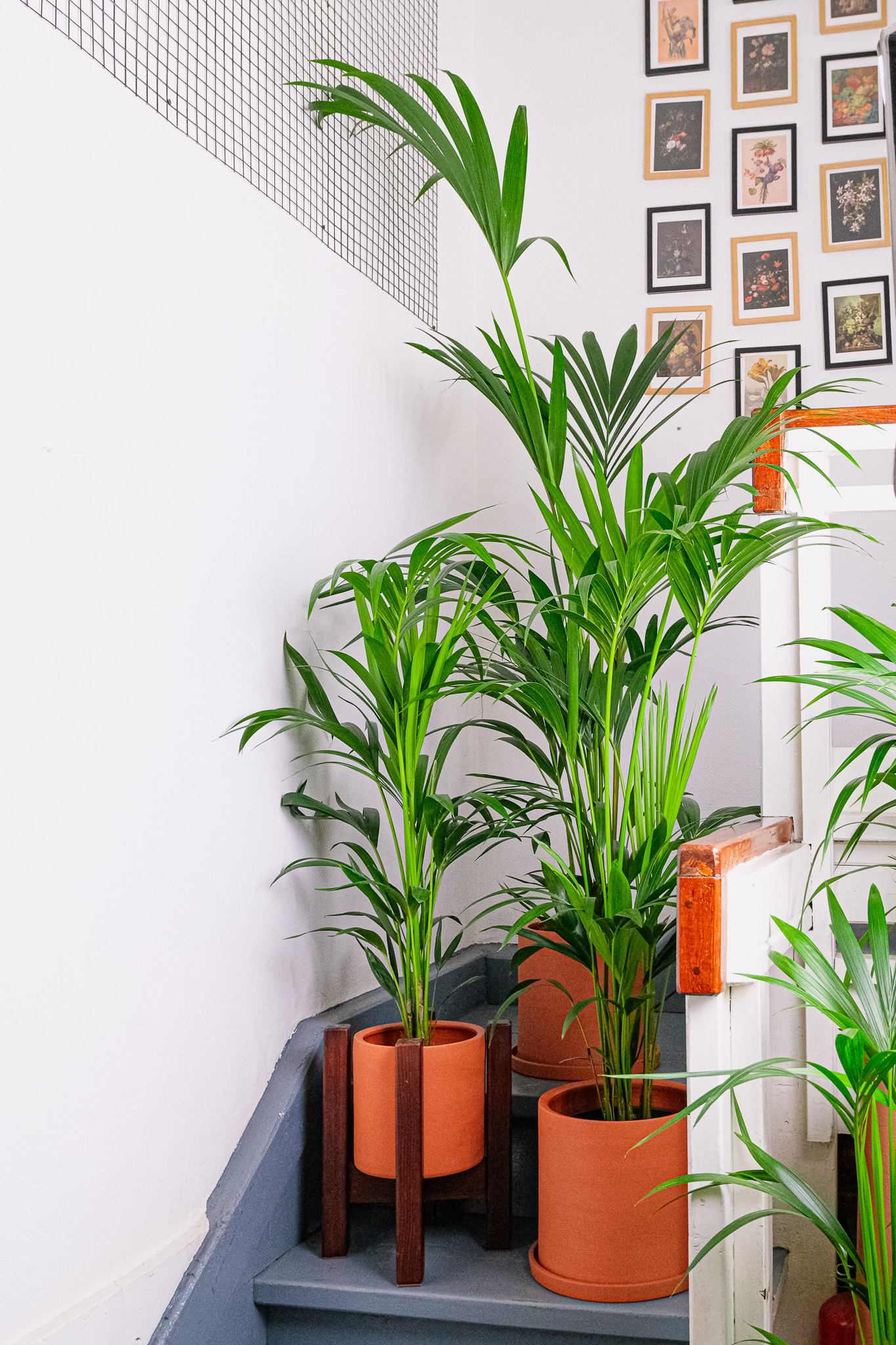
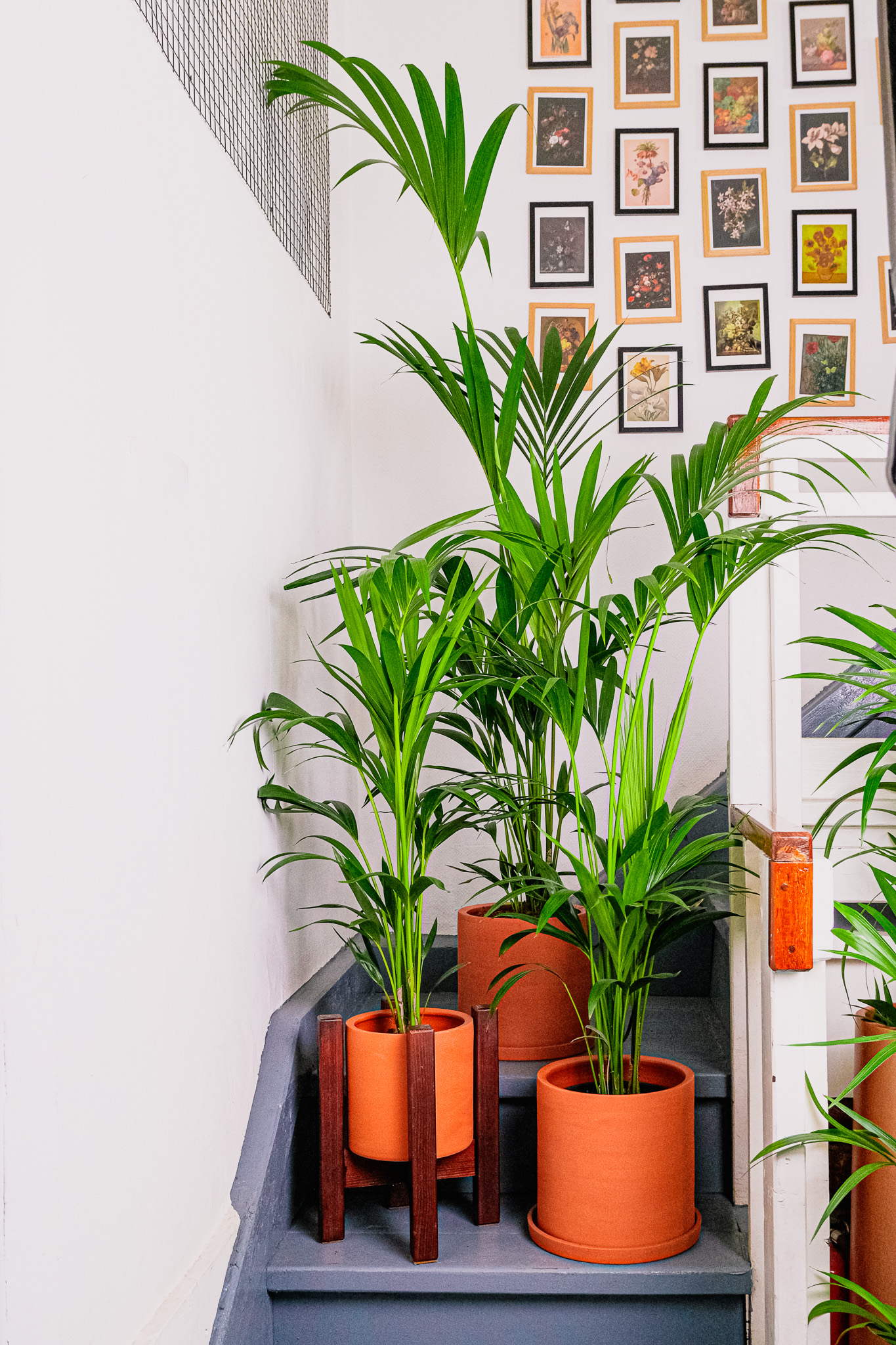
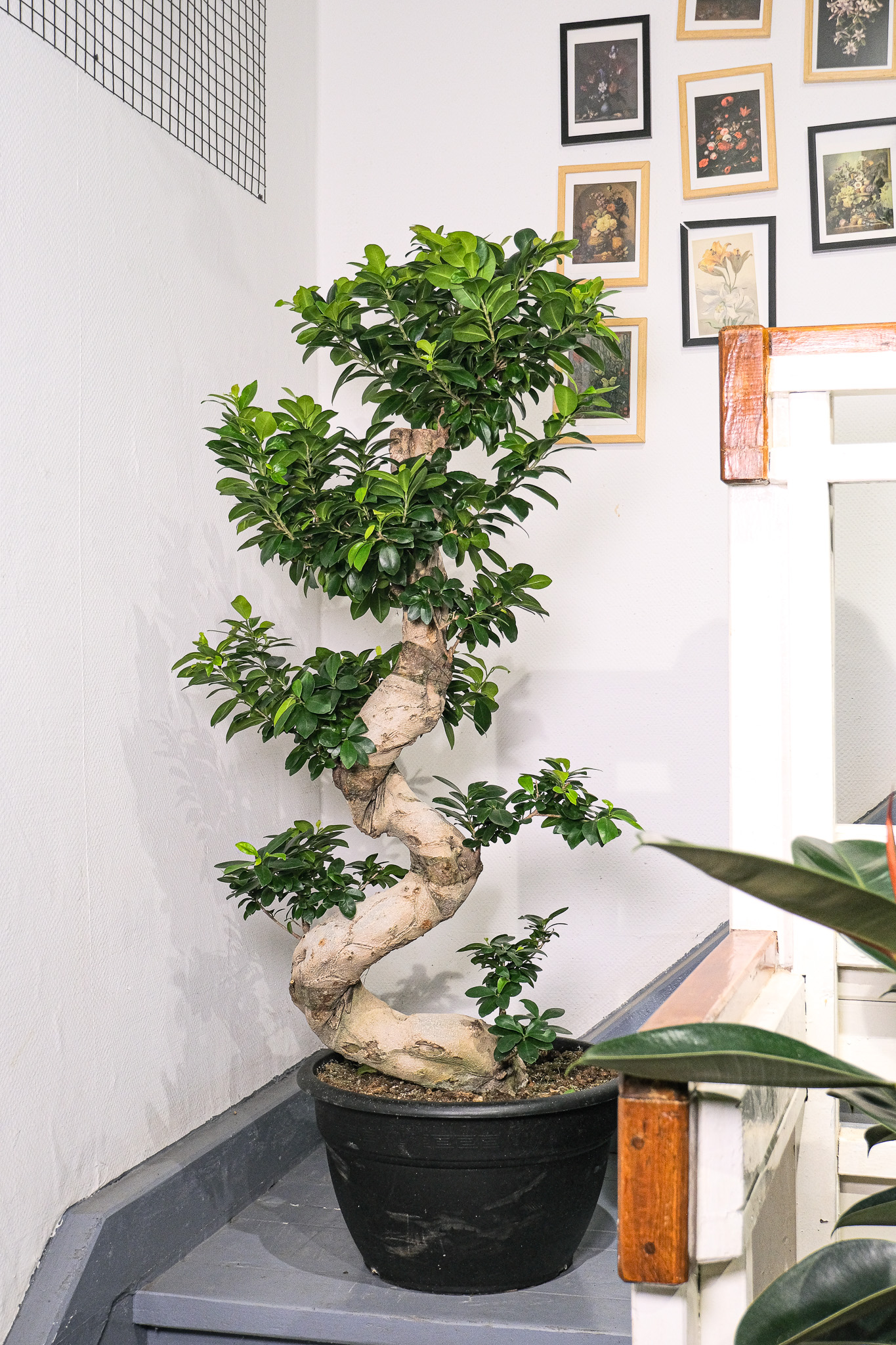
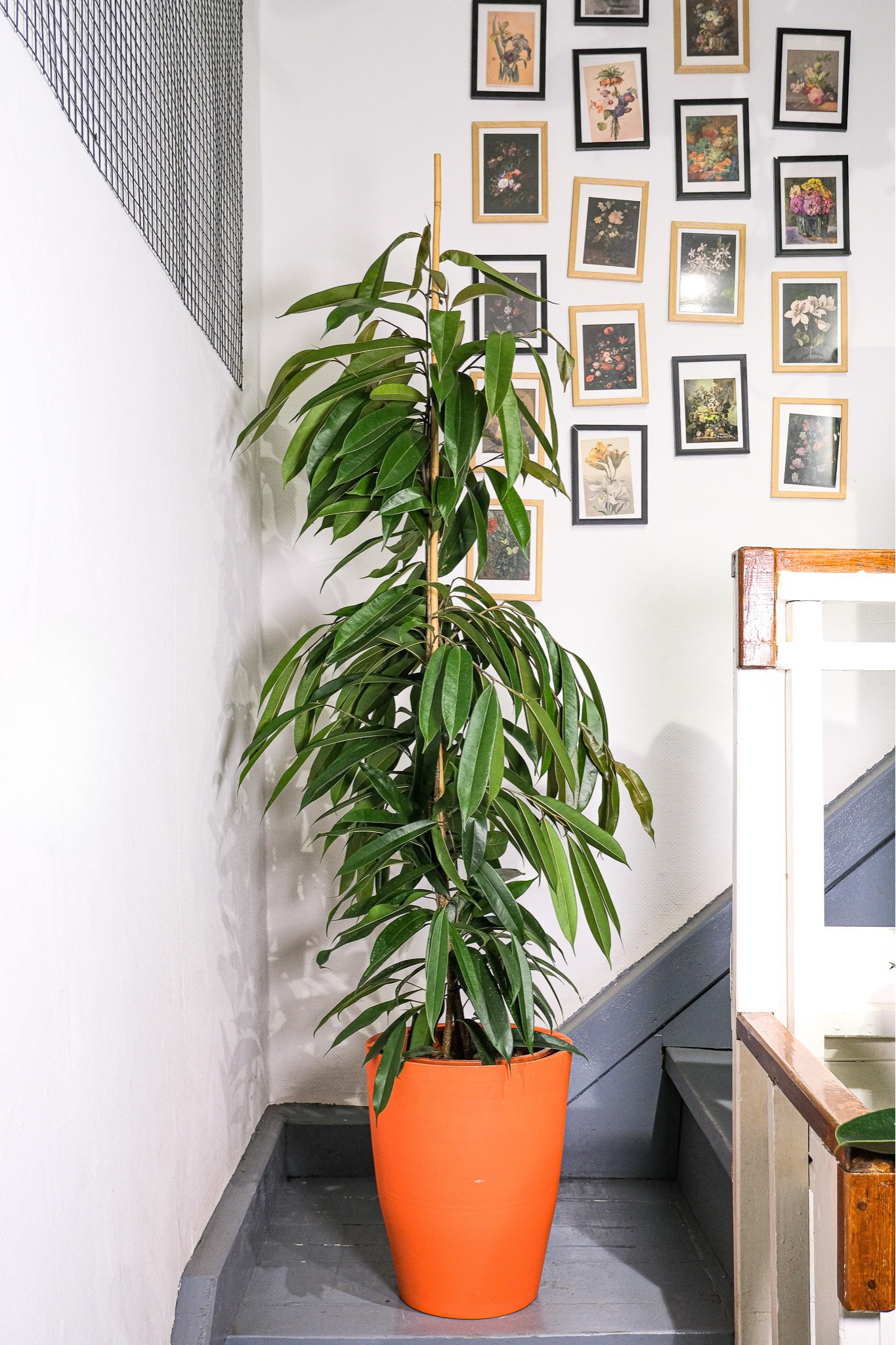
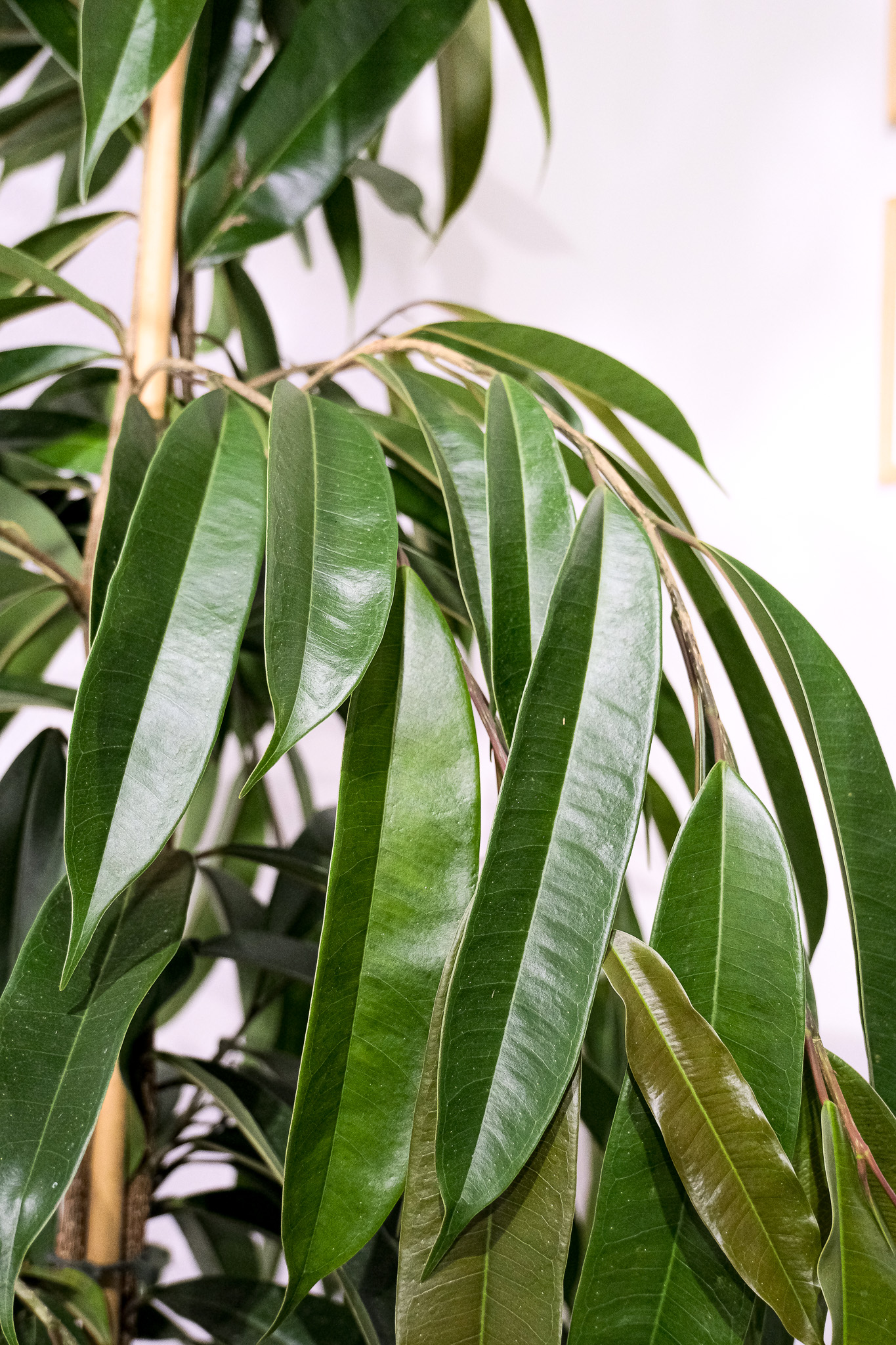
Howea Forsteriana
from 950 MDL
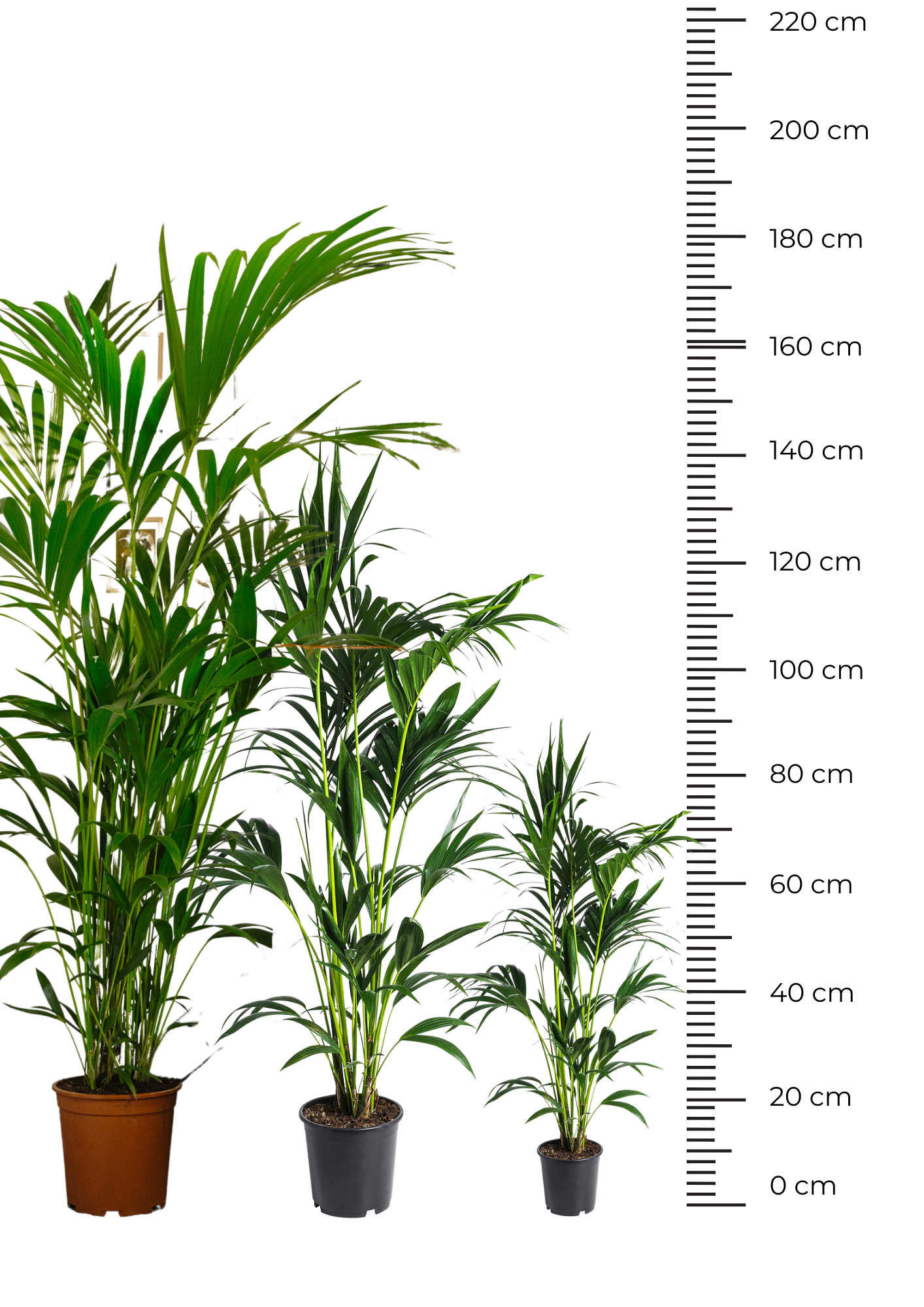
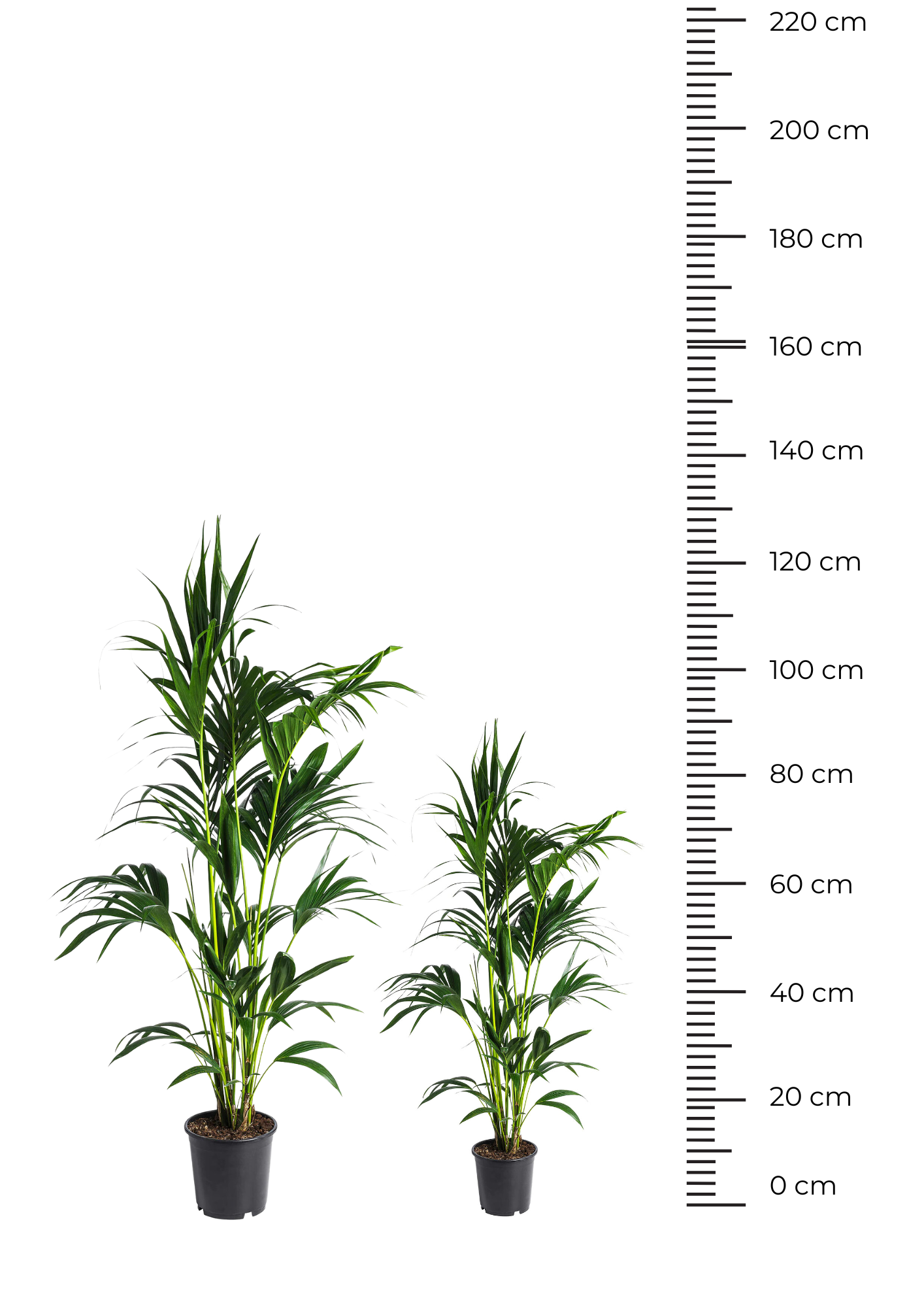
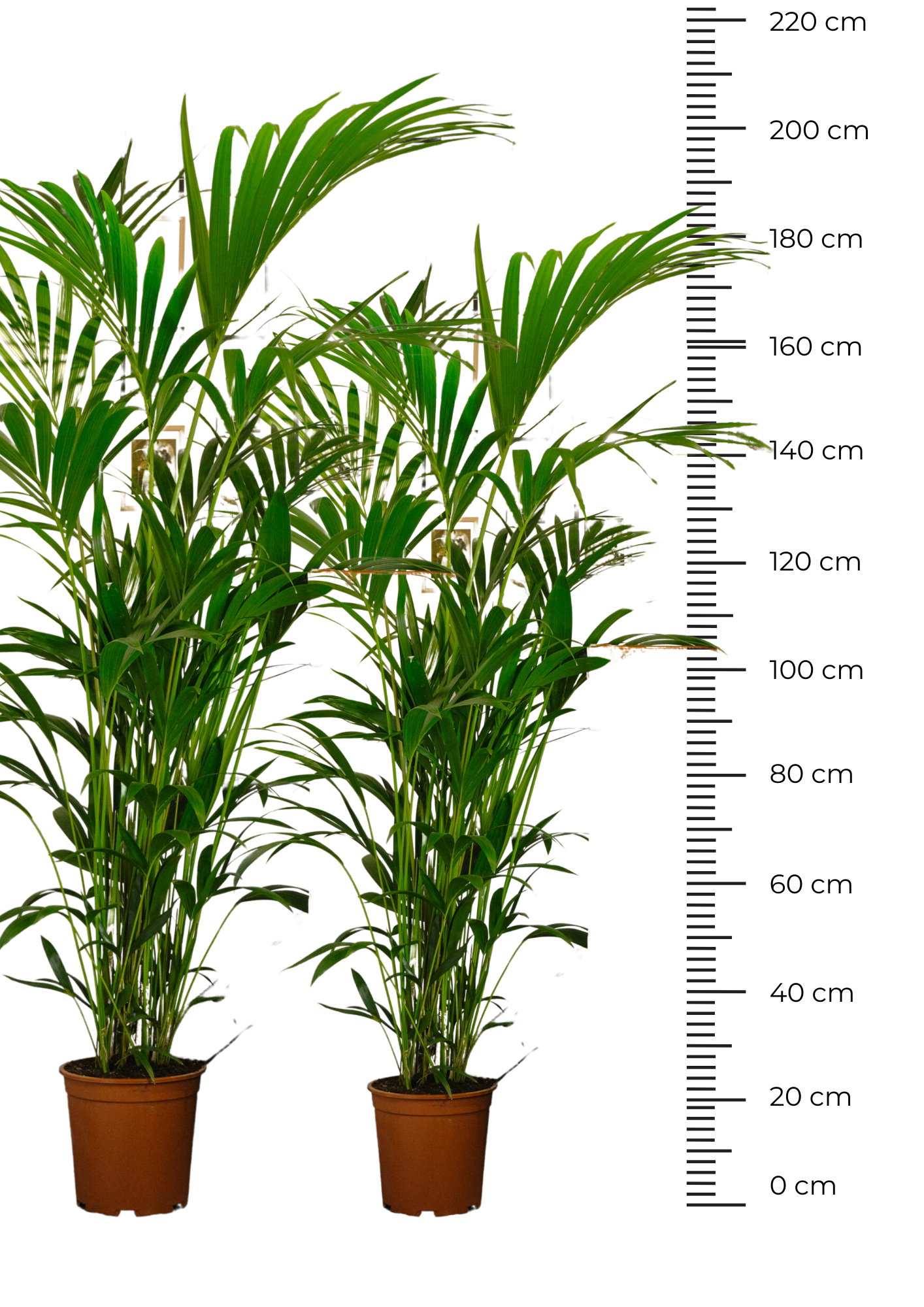
Howea Forsteriana is a popular indoor palm that doesn’t require complex care and can grow to a very large size. However, its growth can be easily managed. During the Victorian era, it was used to decorate the homes of wealthy people, which is why it became a symbol of prosperity. Learn what conditions it prefers in the Plant Library.
The plant is offered in a simple factory pot.
We recommend and with a great pleasure will help you to choose a new and suitable one.
Related products
English ivy (Hedera helix variegata) is one of the most common ivy species and the most widely grown. It is very easy to grow, both in pots and as an ornamental outdoor plant. You’ve probably noticed it on the outside of buildings and houses that look like entrances to a secret botanical world.
Potted ivy requires much less water. Before watering, check the consistency of the substrate, which should be loose but dry on the surface. Be careful not to overwater. For optimal lighting, position the plant near a window to ensure it receives abundant light without direct exposure. Poor lighting can reduce the number of leaves and cause them to discolour.
Indoors, it can be placed on a shelf or taller plant stand to allow it to create that eye-catching cascade of creamy white variegated green leaves. It tends to grow vigorously, providing quick results for those who want to transform their room or garden in a short space of time.
The plant comes in a basic nursery pot.
We are happy to suggest and help you choose a new and appropriate one.
Bay laurel, also known as Laurus Nobilis, is the kind of plant that makes your life easier—and more aromatic. Just place it in a sunny corner or partial shade, and it will reward you with healthy, green leaves. Plus, it doesn’t care much about pests or diseases—like a medieval knight in armor. Just make sure to protect it from the cold, and it will repay you in every dish you cook with it!
Find out what conditions it prefers in Plant Library.
The plant is offered in a simple factory pot.
We recommend and with a great pleasure will help you to choose a new and suitable one.
Croton Mrs Iceton is a plant that knows how to make an entrance: in shades of green, red and yellow, it looks like the cover of a gardening magazine! Native to the tropical islands of the Pacific, this beauty isn’t afraid of sunlight – in fact, it loves to shine. It’s easy to care for, but it has one little quirk: it doesn’t like to be left in water. Learn more in the Plant Library.
The plant comes in a basic nursery pot.
We are happy to suggest and help you choose a new and appropriate one.
Calla, also known as the Ethiopian Lily, is an exotic-looking plant with elegant horn-shaped flowers. This plant prefers indirect light and moderate temperatures, and to keep it healthy, make sure the soil stays slightly moist, but avoid stagnant water in the pot.
The plant is offered in a simple factory pot.
We recommend and with a great pleasure will help you to choose a new and suitable one.
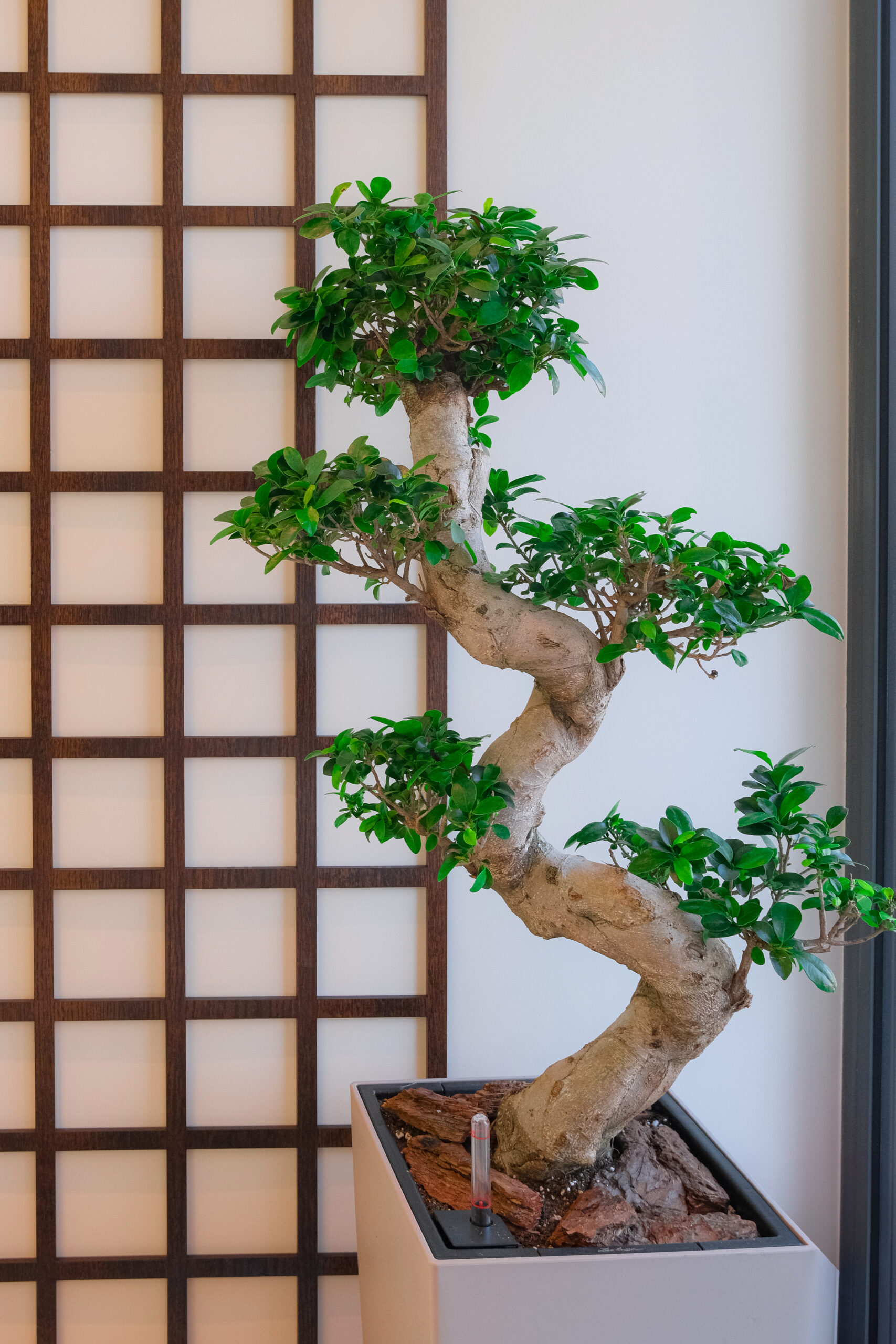
Bonsai trees are a fascinating art form that combines Asian aesthetics and feng shui in the homes of those who choose to care for them.
Translated, ‘bonsai’ means ‘planted in a bowl’. Bonsai is a true philosophy of life, a hobby that brings peace of mind and helps us to cope with everyday stress. Caring for a single tree in a pot is a kind of small-scale gardening.
Pruning is also important to keep bonsai trees small and in perfect shape. Maintenance pruning strengthens the bonsai and encourages new branch growth.
The plant comes in a basic nursery pot.
We are happy to suggest and help you choose a new and appropriate one.
relitzia Reginae, often called the Bird of Paradise, thrives in the wilds of South Africa and truly lives up to its majestic name. Position it in your living room or hallway, and you’ll instantly infuse your space with a touch of the jungle, harmoniously blending with urban elegance. Pollinated by birds, it features robust stems strong enough to support the weight of several birds at once. Discover its preferred conditions in the Plant Library.
Only the mature plant is in flower at the moment.
The plant comes in a basic nursery pot.
We are happy to suggest and help you choose a new and appropriate one.
Cycas palms, native to Japan and southern China, are true living fossils, having existed since before the dinosaurs. Their curved, rigid fronds seem as if they’ve been plucked from a scene in Jurassic Park. Although they resemble palm trees, they are actually cycads—a fascinating prehistoric species. They grow extremely slowly, adding only a few centimetres per year. It’s a plant that knows how to live grandly yet with minimal fuss. Learn how to care for it in the Plant Library.
The plant comes in a basic nursery pot.
We are happy to suggest and help you choose a new and appropriate one.
Over the past few years, the Ficus Lyrata has been creating waves of admiration around the world. Thanks to its numerous appearances in popular design magazines, blogs and social media, it has been catapulted to superstar status in the plant world.
Any plant is a positive addition to your living or working space, but some plants have a much richer visual impact. Take Ficus Lyrata, for example. This plant is almost a work of art in itself. You can’t miss its violin-shaped leaves, crisscrossed with distinct, pale veins that add texture. The best part is that as the leaves grow larger, they become even more impressive.
Don’t worry if it loses a leaf or two after delivery – it needs time to adapt to its new home. It’s perfectly normal. It may also shed a few leaves in winter, and while it is small, the Ficus can live temporarily on shelves. Once it has grown, it will be placed on the floor because of its larger size.
The plant comes in a basic nursery pot.
We are happy to suggest and help you choose a new and appropriate one.
We have to admit it: bushy or prickly, with round or lobed leaves, succulents are incredibly popular. In some homes, you can find impressive collections or creative arrangements. The range of colours and textures is a feast for the eyes.
Succulents are a real blessing when we travel a lot, are too busy or simply forget to water them. This is very important! The leaves, stems and roots of succulents are thick and fleshy, which allows them to store water and withstand harsher conditions with such stoicism. In short, loyal plants!
In warm weather, water more generously if you notice that the soil in the pot has dried out. In late autumn or winter, water less frequently, once a month. Overwatering and waterlogged soil are the most common causes of loss.
Fun fact: the only continent without native succulents is Antarctica.
The plant comes in a basic nursery pot.
We are happy to suggest and help you choose a new and appropriate one.
The plant comes in a basic nursery pot.
We are happy to suggest and help you choose a new and appropriate one. s
From aromatherapy to floral arrangements, there are many ways to enjoy eucalyptus. Eucalyptus plants thrive indoors as decorative shrubs with aromatic, fragrant leaves. They are not overly demanding, but a few guidelines will ensure optimum care.
Plant the eucalyptus in a large, conical pot for easy transplanting outdoors. Although resistant to drought, potted eucalyptus will dry out more quickly than in the garden. Be sure to water thoroughly until excess water drains away; good drainage is essential as eucalyptus does not tolerate waterlogged soil.
If you’re growing eucalyptus indoors, place the pot near a south-facing window so it gets plenty of sunlight. Regular pruning is necessary due to its rapid growth.
The plant comes in a basic nursery pot.
We are happy to suggest and help you choose a new and appropriate one.