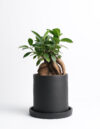
Livistona Rotundifolia
2.500 MDL
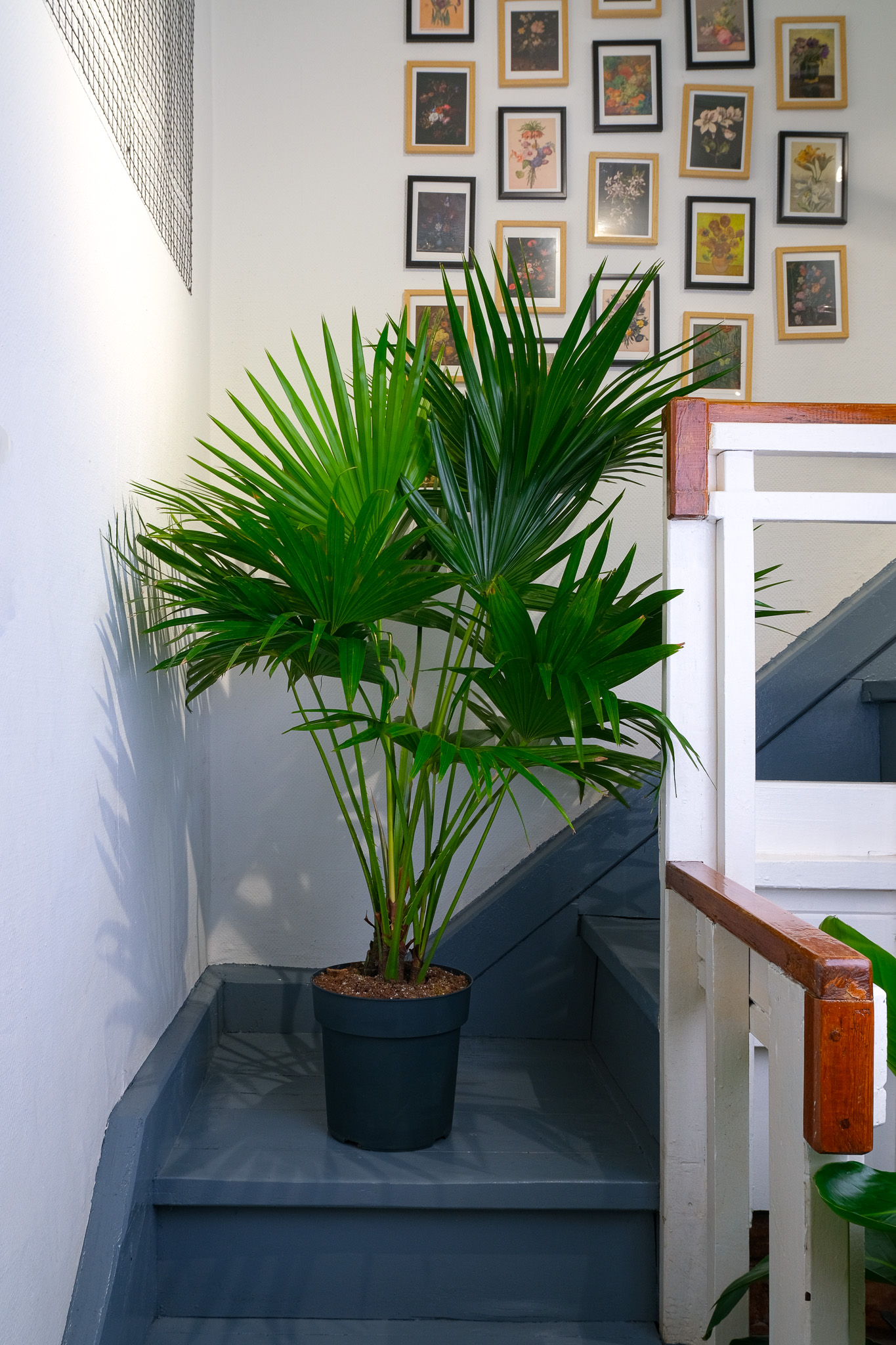
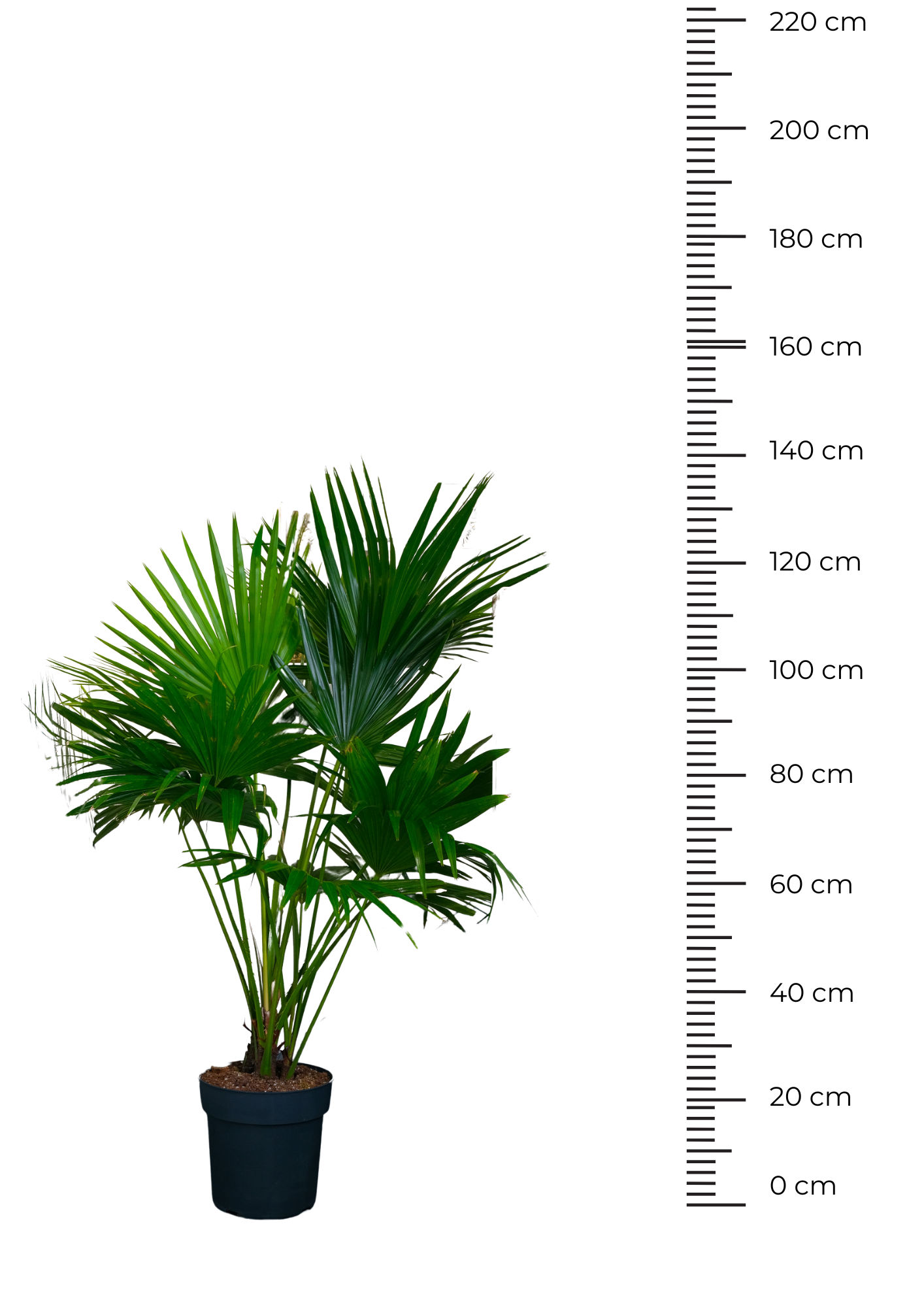
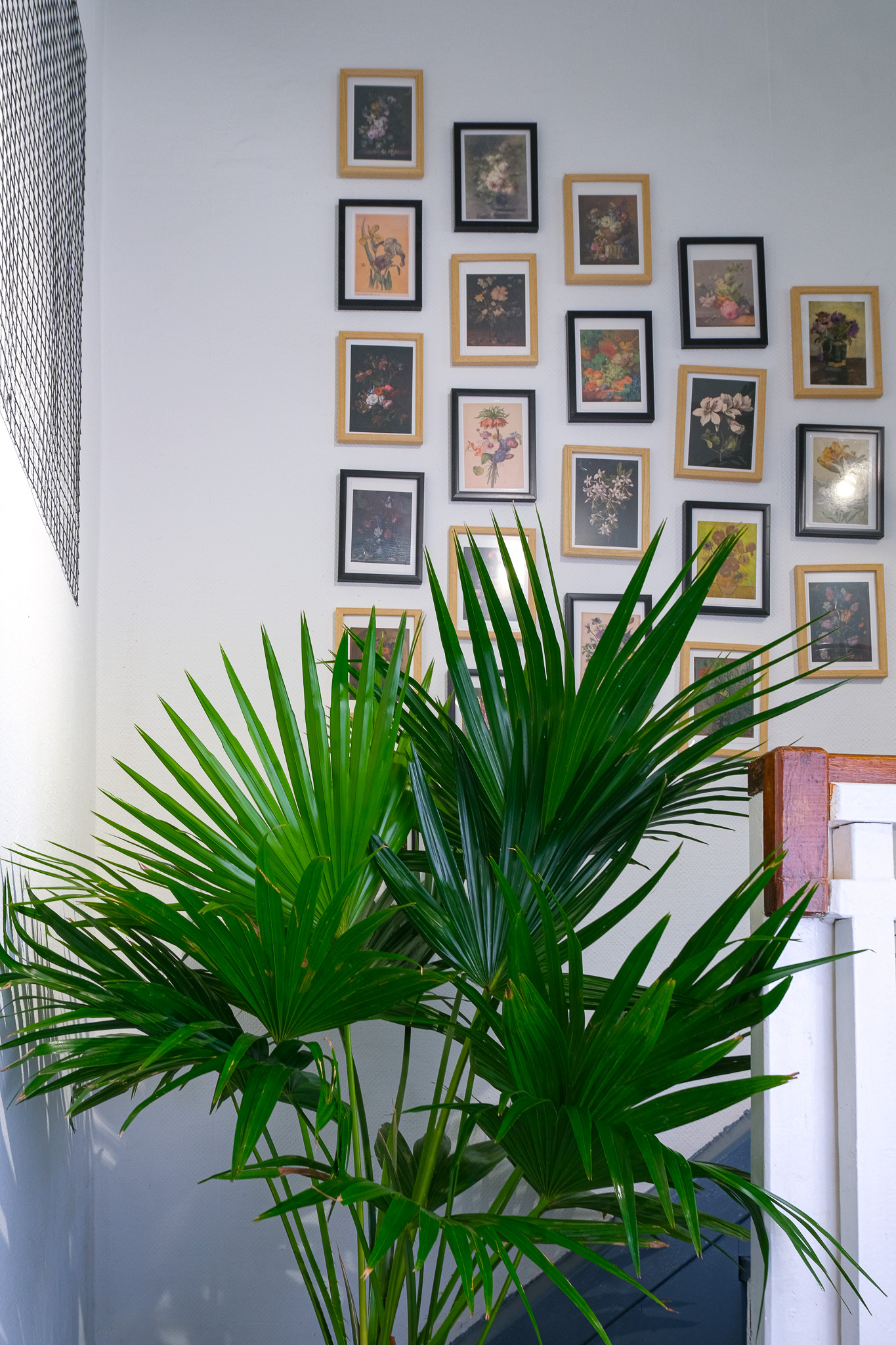
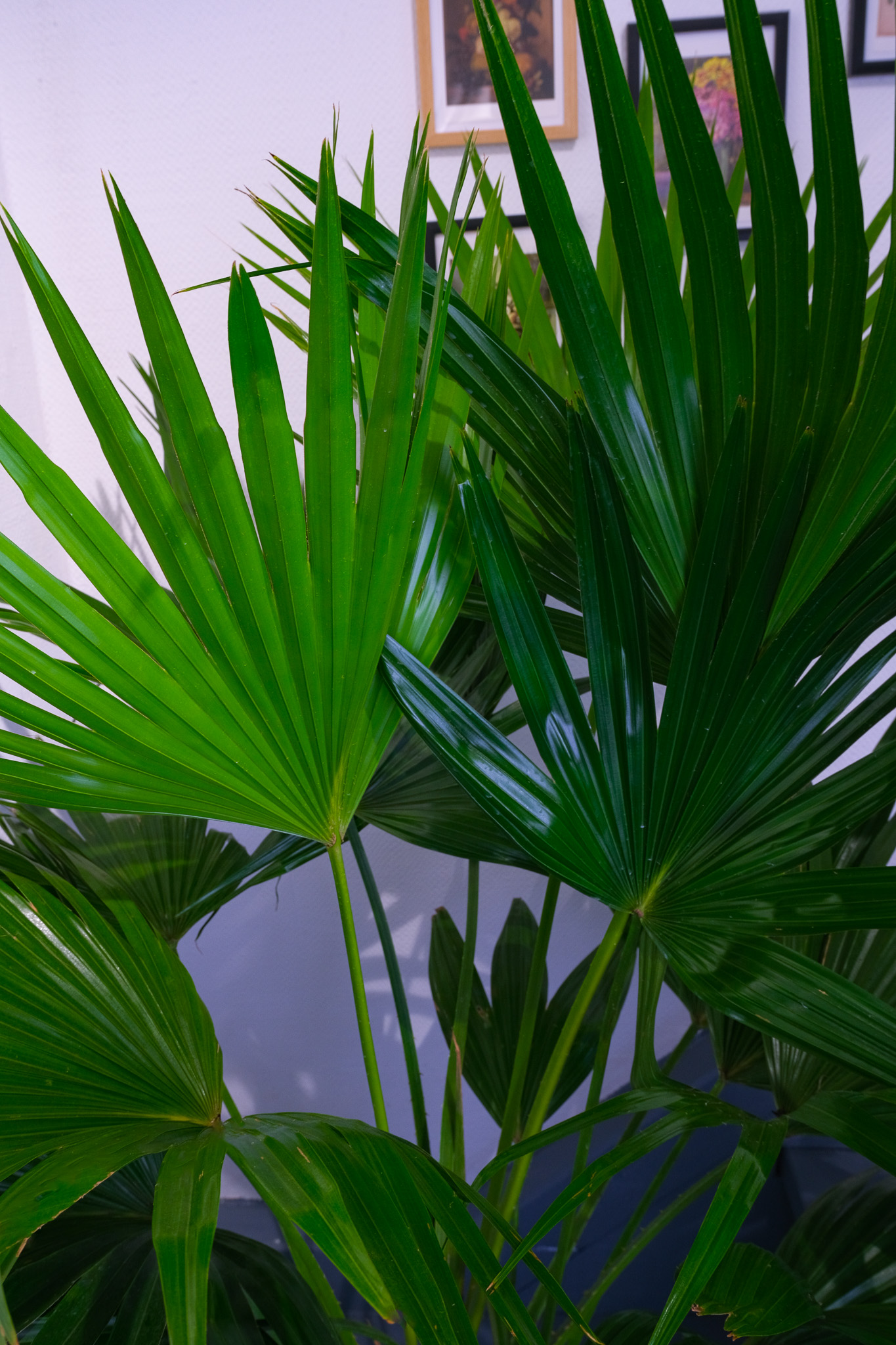
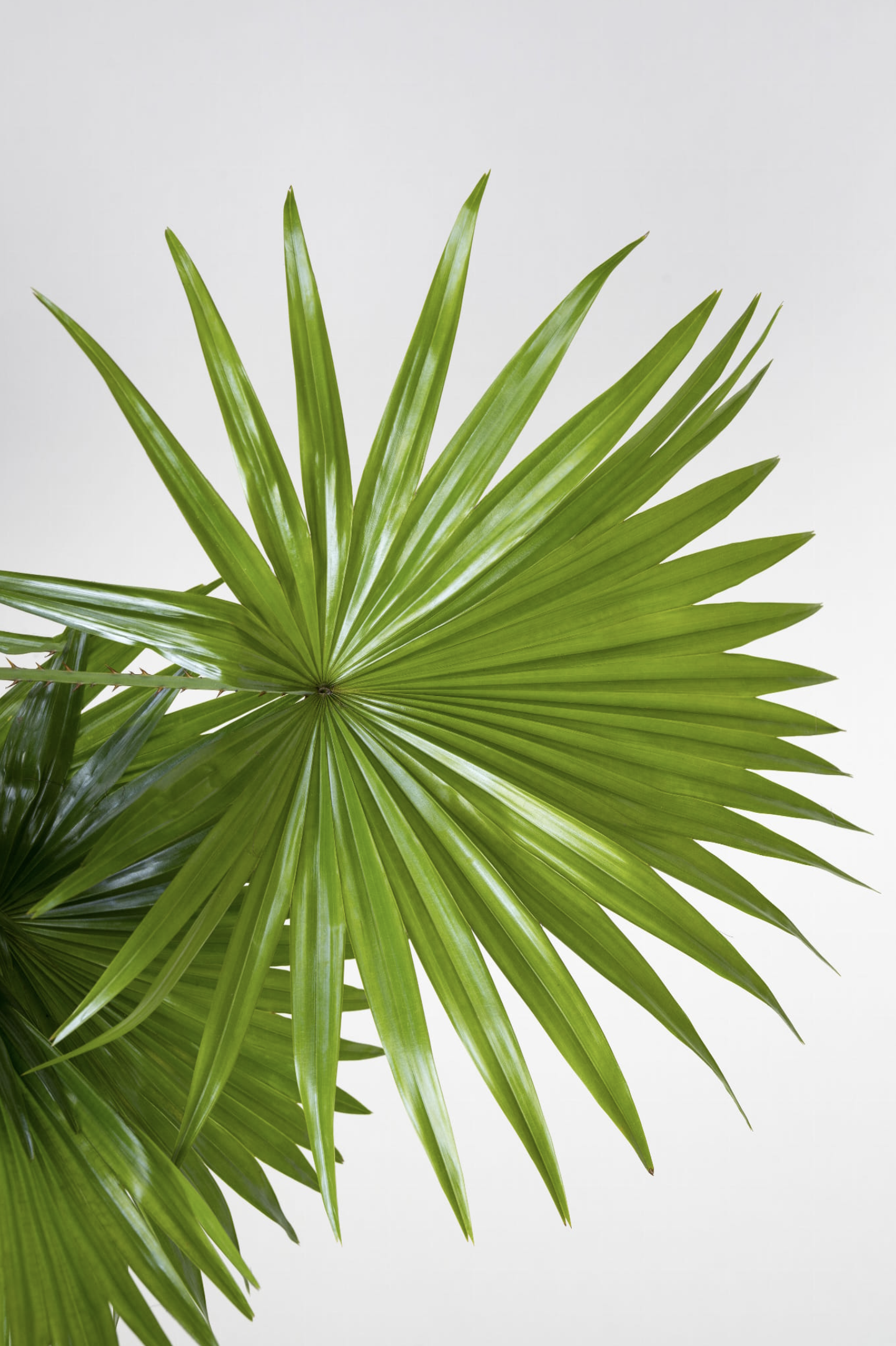
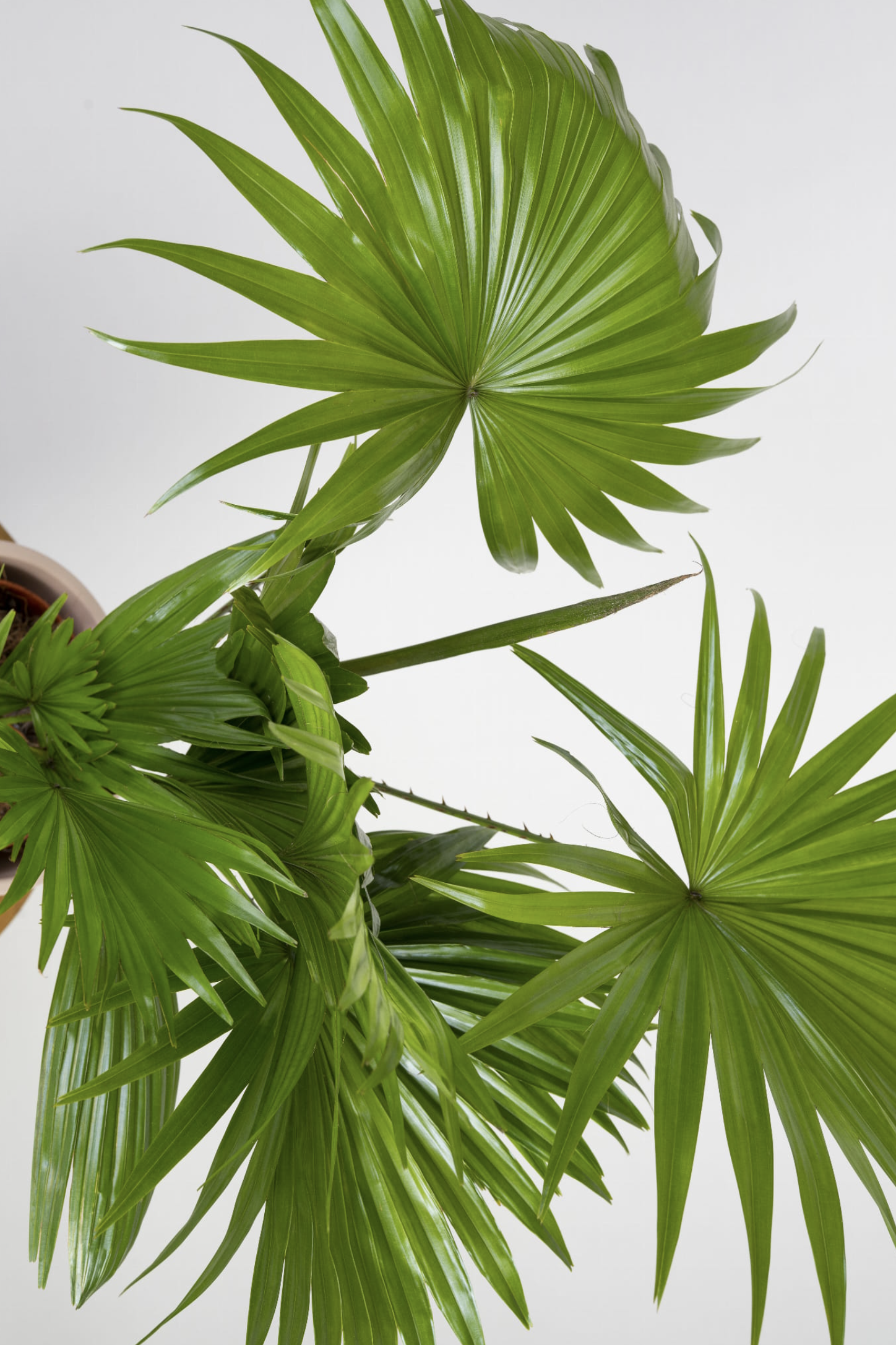
Livistona Rotundifolia is an elegant small palm with large fan-shaped leaves. The plant got its name from Baron Livingstone, who founded the botanic gardens in Edinburgh, Scotland, in 1670. Aborigines considered the heart of the plant a delicacy, and in the West it is a popular green air purifier. Find out how to look after it in Plant Library.
The plant is offered in a simple factory pot.
We recommend and with a great pleasure will help you to choose a new and suitable one.
Related products
Give the joy of a perfect gift to someone who loves plants.
Plants make great gifts. Once given, they will grow for a long time and remind the recipient of you every time the plants provide shade or sprout a new leaf. The voucher can be used on any Floral Soul product, from houseplants to garden accessories. Once purchased, it is valid for 3 months from the date of purchase. It can be used both online and in-store at Orangerie (M. Kogălniceanu 54).
To add another amount, please contact the Floral Soul team at +373 69 992 328
The Schefflera plant, Schefflera Arboricola, native to South Asia and parts of Australia, is often called the umbrella plant, and for good reason. The five to seven leaflets that make up each long-stalked leaf resemble umbrellas.
The foliage will keep its healthy, glossy appearance if you spray it daily with water at room temperature. Being a medium light lover, placing it in strong direct sunlight will burn its leaves. It will also not do well in areas of extreme light deficiency and is best placed near a window – even a north-facing one. Yellowing and drooping leaves are probably a sign that the plant is overheating. Leave the soil to dry out longer between waterings. Brown, dry leaves – may be caused by underwatering.
To control the height of the plant and increase its bushy appearance, cut back any overhanging branches in spring. Don’t cut more than 30% of the plant as this can cause shock. It is considered poisonous to humans and pets. The sap in the leaves can cause mild skin irritation.
The plant comes in a basic nursery pot.
We are happy to suggest and help you choose a new and appropriate one.
The Boston fern is one of the easiest ferns to care for, which has made it a popular houseplant for decades. It is not difficult to look after, but it does require some special care. The most important thing is to give it the ideal growing conditions: standard room temperature (13-24°C), plenty of humidity and indirect light. If the humidity is too low, the leaves will turn yellow. Another important aspect is the soil. It must be kept moist as one of the main reasons why the plant may not survive is dry soil.
A popular display is a hanging basket. Arranged in this way, the leaves of the plant will arch towards the basket, giving the appearance of floating in the air. Boston ferns are not considered toxic to pets or children. In a pot or hanging from a modern macrame hanger, the Boston Fern is a wonderful addition to the kitchen or bathroom.
The plant comes in a basic nursery pot.
We are happy to suggest and help you choose a new and appropriate one.
Asparagus plumosa or asparagus fern is neither fern nor asparagus, although it looks similar and is closely related to the common edible garden asparagus. Its presence in the house brings a “forest” vibe and it really likes hanging in baskets on the terrace or balcony during the summer.
Indoors, the key to a robust asparagus fern is to keep the plant well-watered, bushy and dense so that the lace-like foliage forms an attractive mound.
The plant comes in a basic nursery pot.
We are happy to suggest and help you choose a new and appropriate one.
Croton Mrs Iceton is a plant that knows how to make an entrance: in shades of green, red and yellow, it looks like the cover of a gardening magazine! Native to the tropical islands of the Pacific, this beauty isn’t afraid of sunlight – in fact, it loves to shine. It’s easy to care for, but it has one little quirk: it doesn’t like to be left in water. Learn more in the Plant Library.
The plant comes in a basic nursery pot.
We are happy to suggest and help you choose a new and appropriate one.
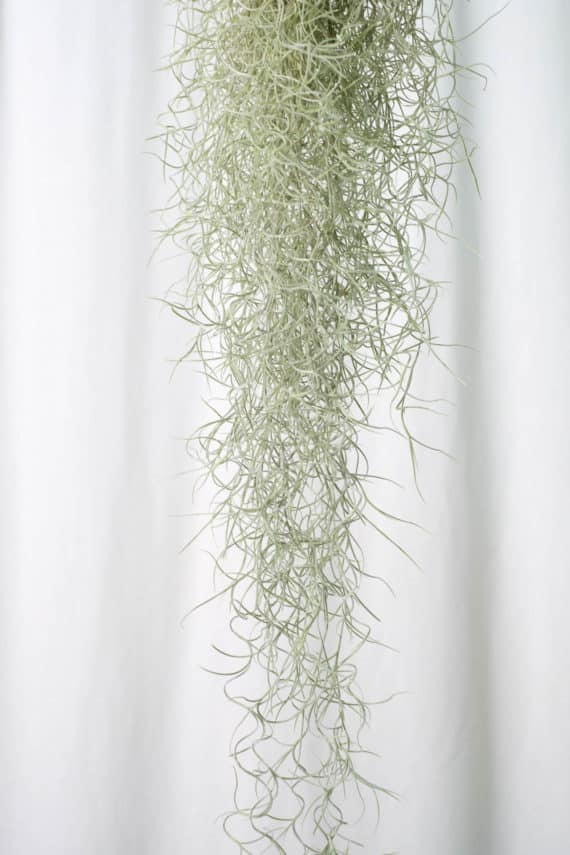
Spanish moss, also commonly known as Old Man’s Beard, is a tropical evergreen epiphytic perennial native to tropical America. Its latin name is Tillandsia usneoides. The name ‘Spanish Moss’ is a misnomer as this plant is neither Spanish nor a moss. It is a bromeliad, and the name has nothing to do with where it comes from. The beauty, non-toxicity and easy care of air plants are attracting more and more people to start their collections.
Since it likes relatively humid conditions, growing it in a light, bright bathroom or kitchen can be ideal – but Spanish moss can also thrive in other parts of your home as long as you make sure it gets the humidity and moisture it needs. When watering, ensure that water does not collect between the leaves, as this can cause them to rot. It is a good idea to tilt the plant slightly downwards or shake it gently after watering to avoid waterlogging.
The plant does not require a pot as it does not need soil. However, you can choose a pot for decorative purposes or for another plant.
Plants often reflect the ambience of their native habitats. For a touch of Zen and Feng Shui, choose Lucky Bamboo, a plant believed to bring good fortune.
Lucky Bamboo thrives in a water-filled container, maintaining its decorative appeal over time. It’s low-maintenance: simply change the water regularly, place it in a bright spot, and there’s no need for fertilizer.
The plant does not require pots or soil. After purchase, remove the protective cover and place the plant in any container filled with water.
Thanks to its glossy appearance, the ficus spreads an unmistakable feeling of well-being, especially if you position it as it likes: in a bright place, but away from direct sunlight. In its natural habitat, it can reach up to 30 metres in height. Don’t worry, you won’t have to drill a hole in the roof, as as a houseplant it usually reaches 2-3 metres. How to care for it, find out in Plant Library.
The plant is offered in a simple factory pot.We recommend and gladly choose a new and suitable one.
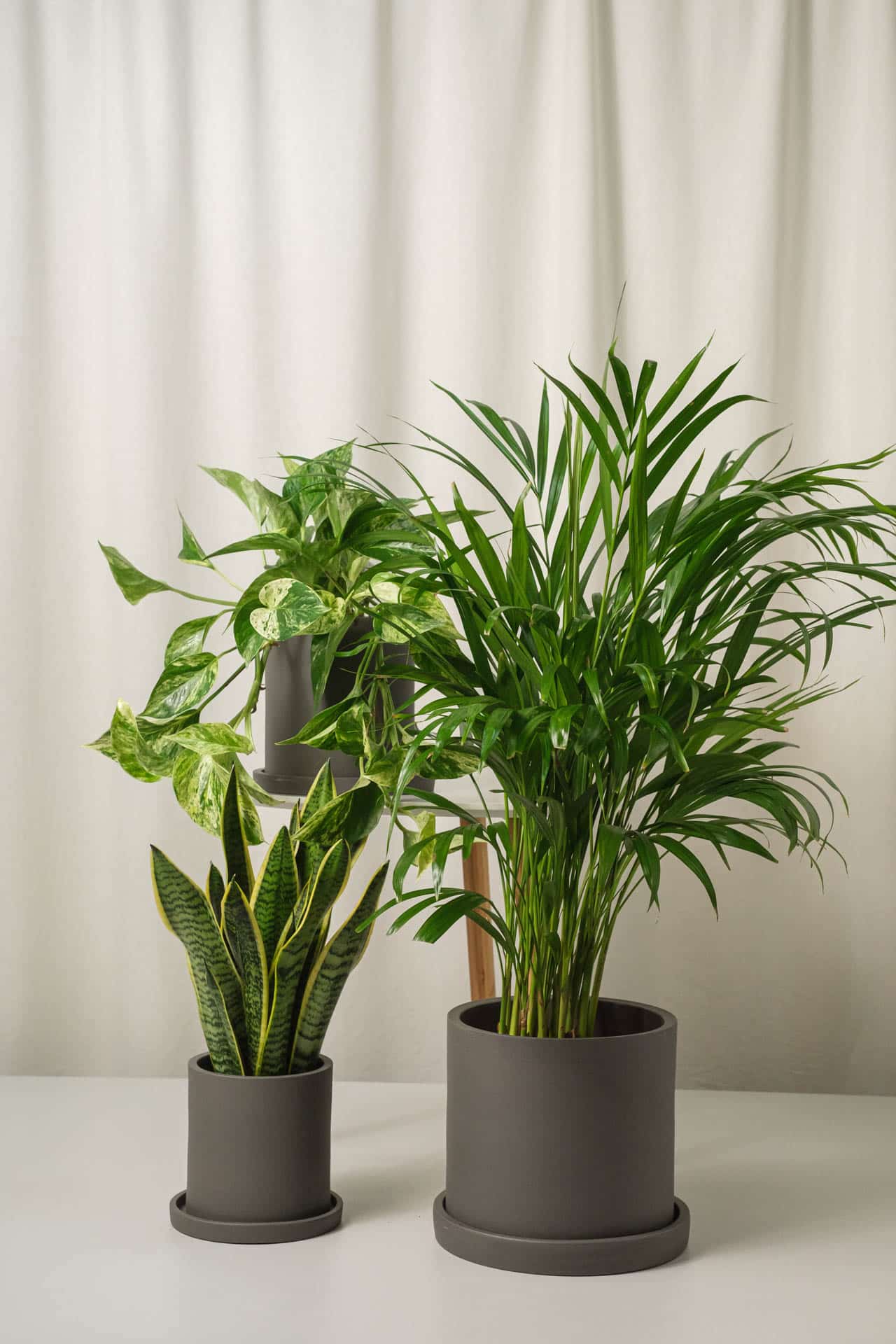
If you want to create a tropical holiday atmosphere in your home, you can’t beat the areca palm, with its elegantly arched leaves.
The Areca Palm, also known by its Latin name Dypsis Lutescens, is native to Madagascar. It is a fabulous houseplant, often grown for its dramatic tropical effect. It’s particularly good at making a visual impact wherever it’s placed. This makes it popular with plant lovers and interior designers.
With smooth, bamboo-like stems and full but narrow leaves, this green beauty needs plenty of room to spread out. We recommend placing it in a spacious area such as a reception, kitchen, hallway or living room. If you have plenty of light in your bedroom it would also work well there.
The plant comes in a basic nursery pot.
We are happy to suggest and help you choose a new and appropriate one.
The plant comes in a basic nursery pot.
We are happy to suggest and help you choose a new and appropriate one.
The plant comes in a basic nursery pot.
We are happy to suggest and help you choose a new and appropriate one.