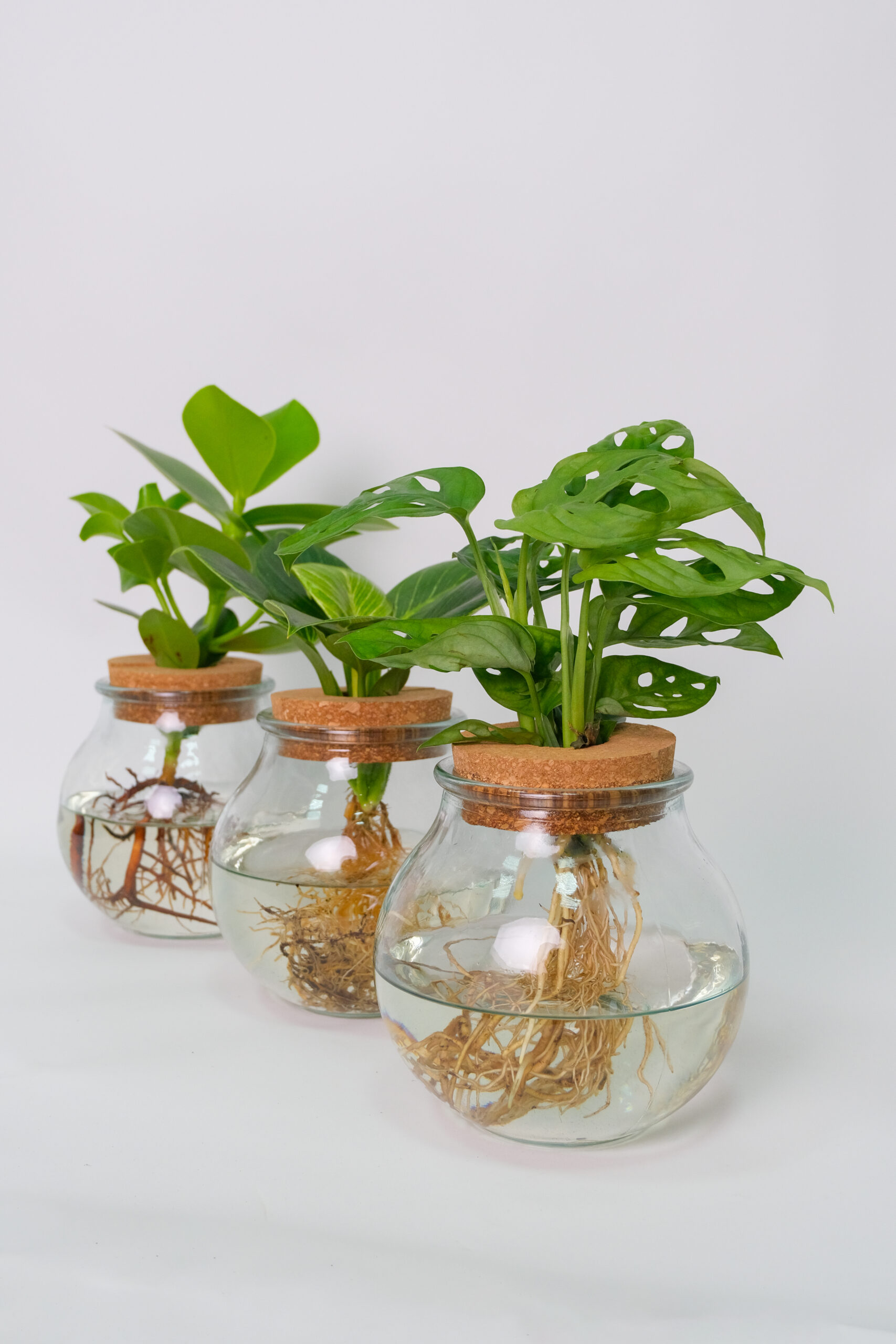
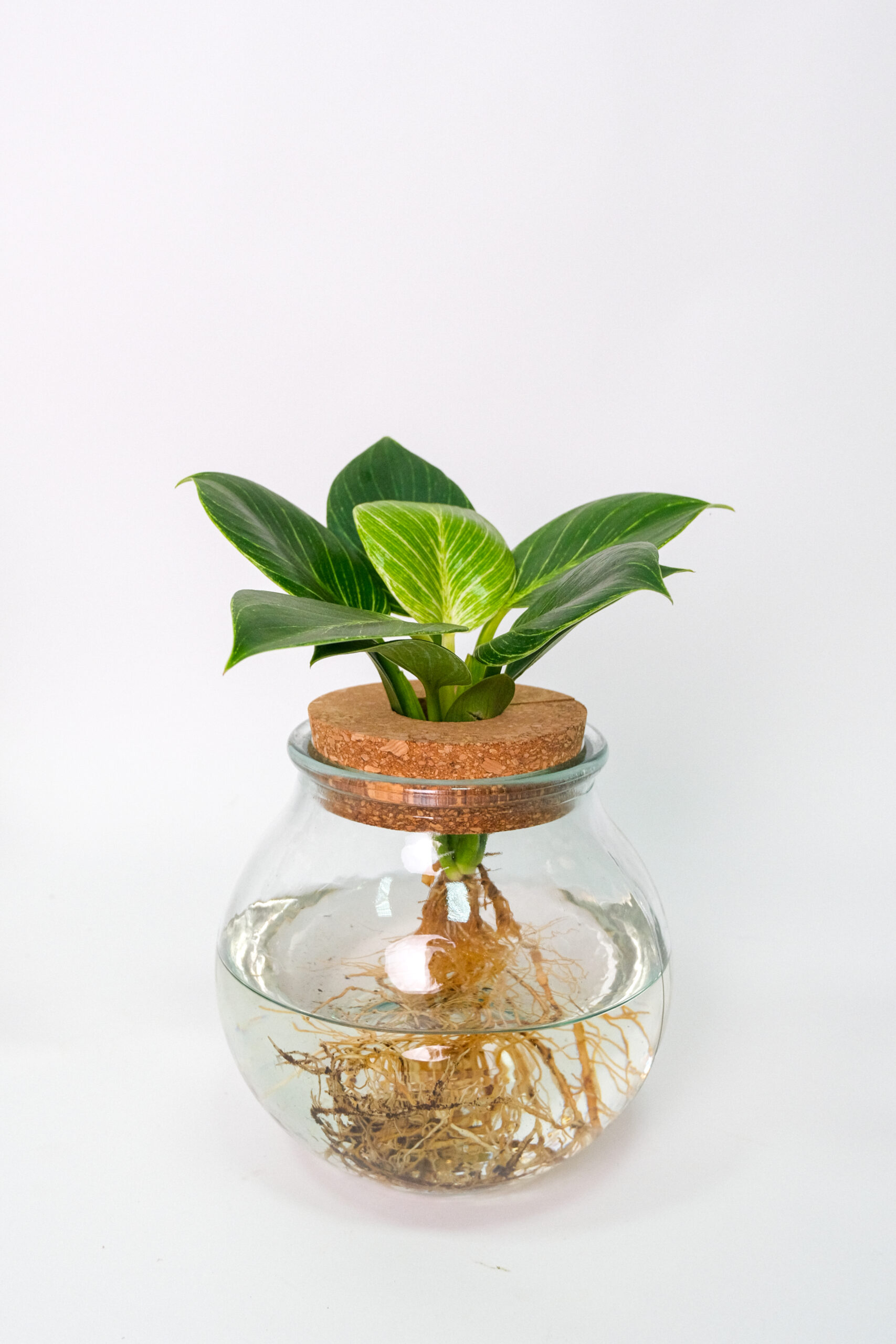
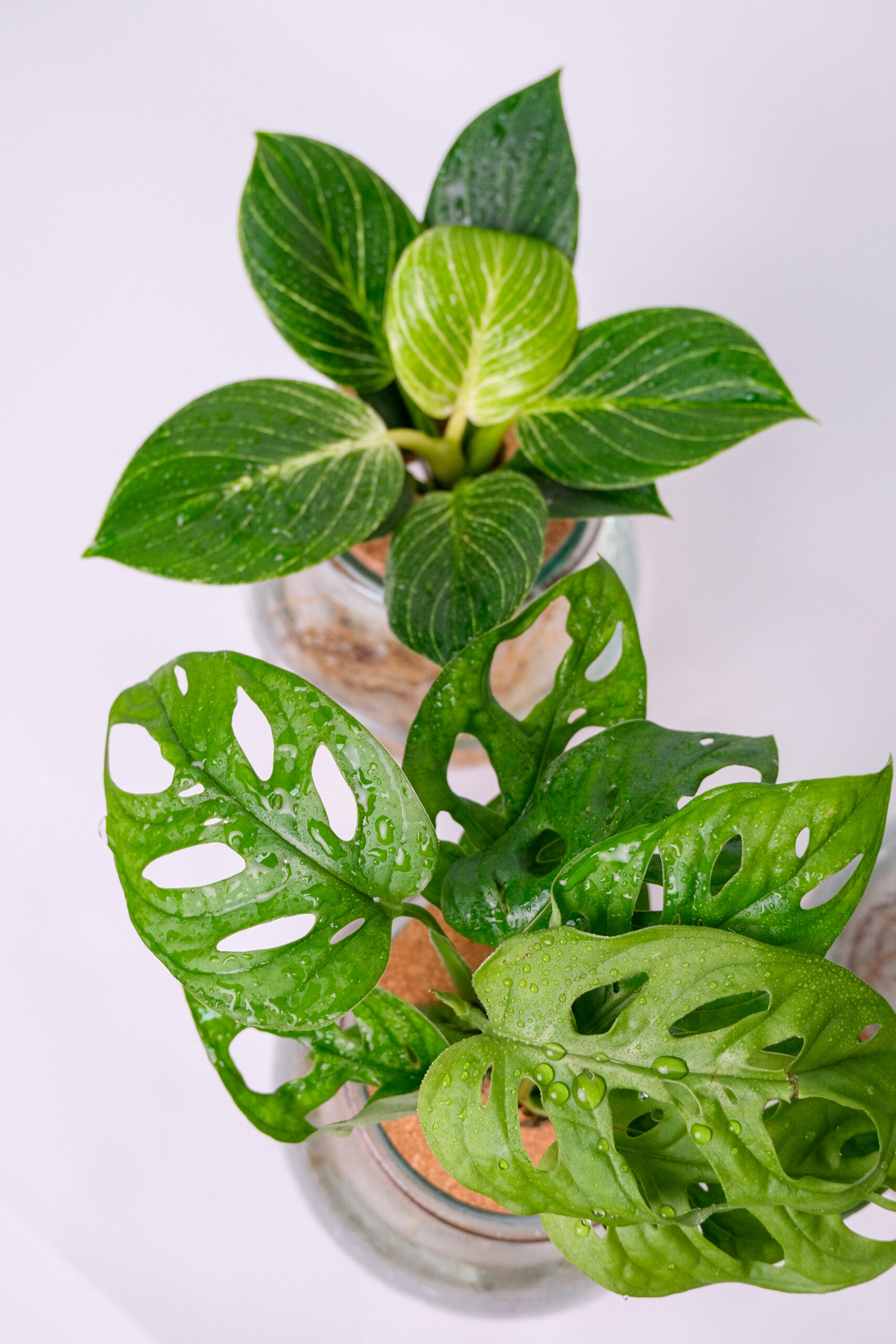
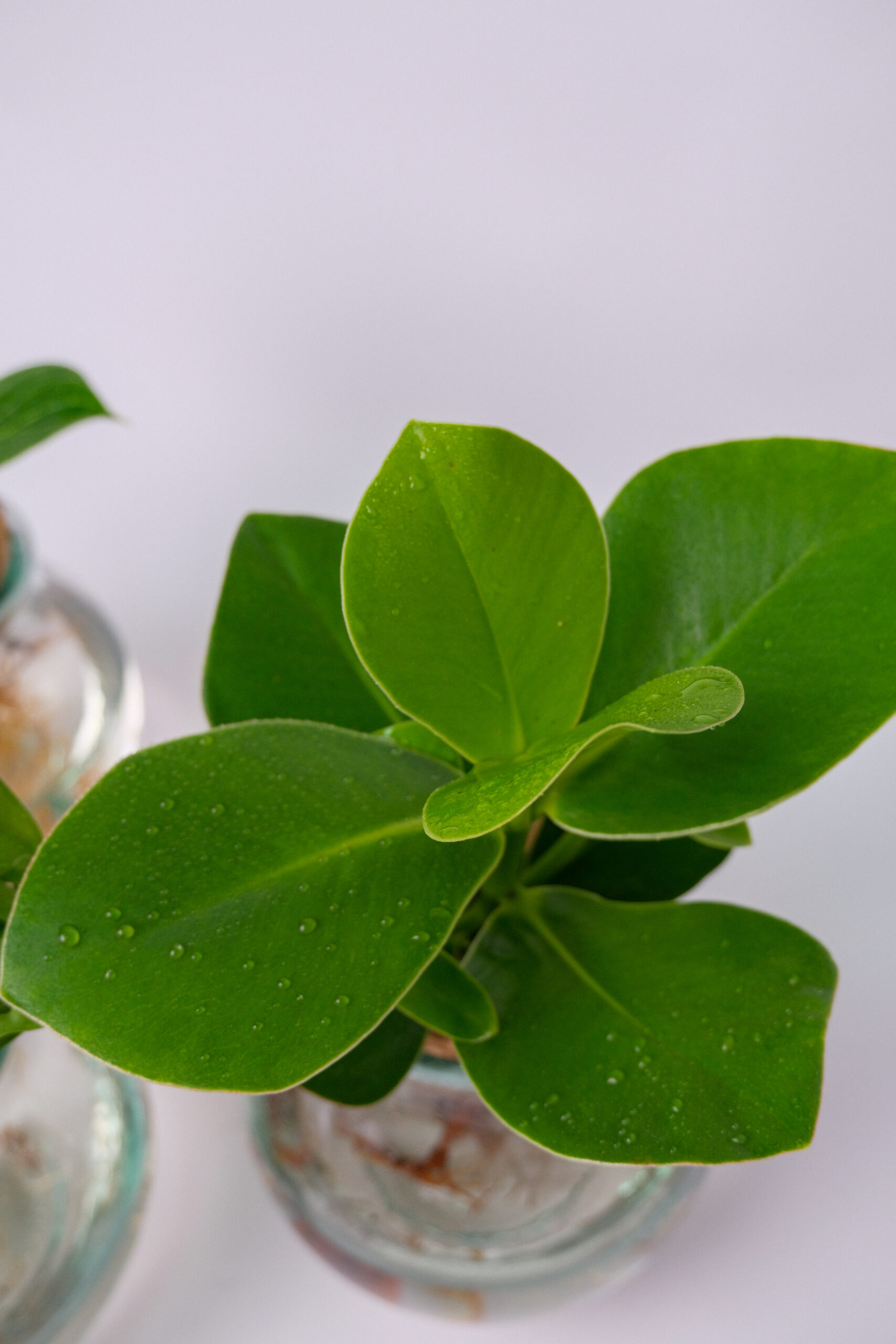
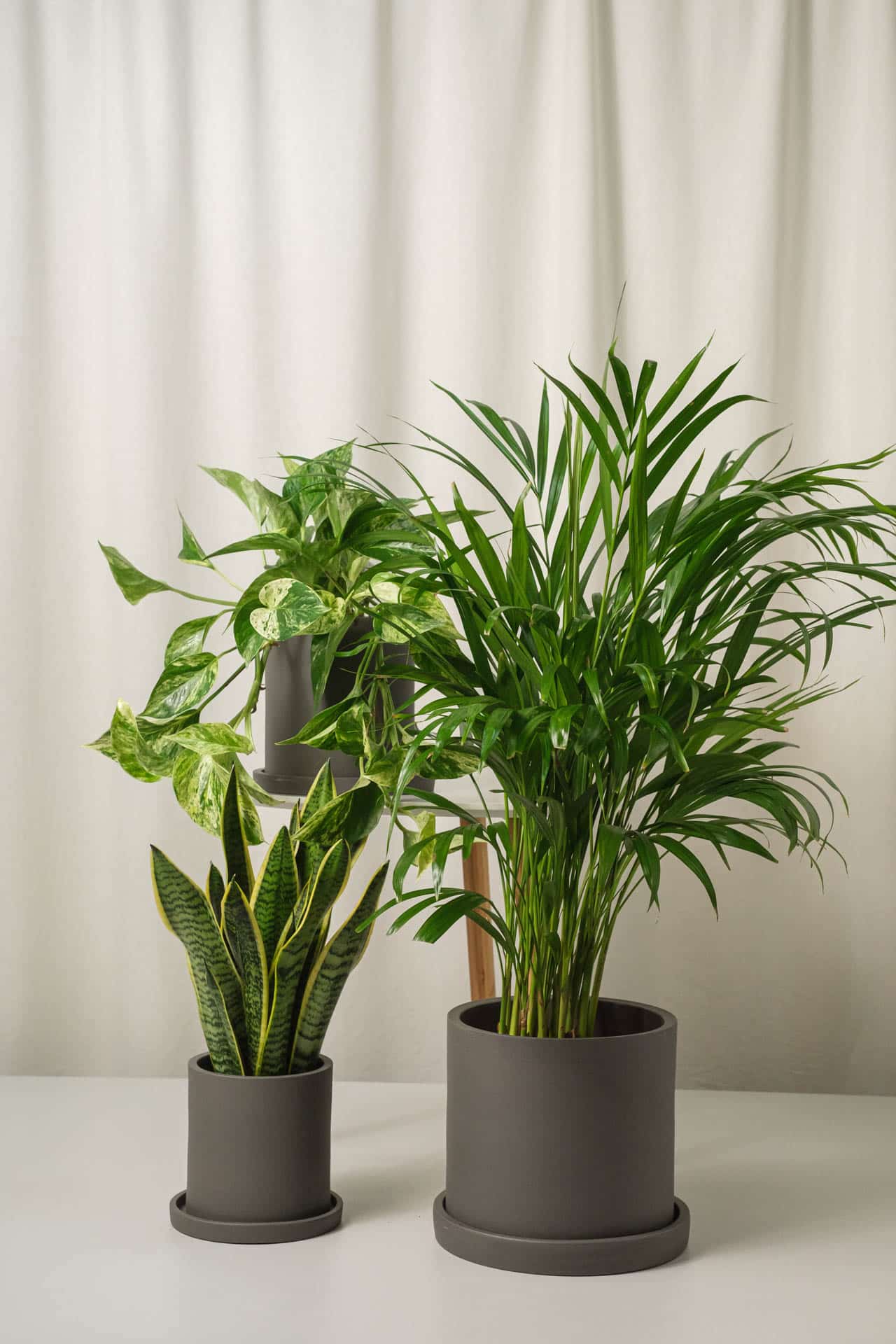
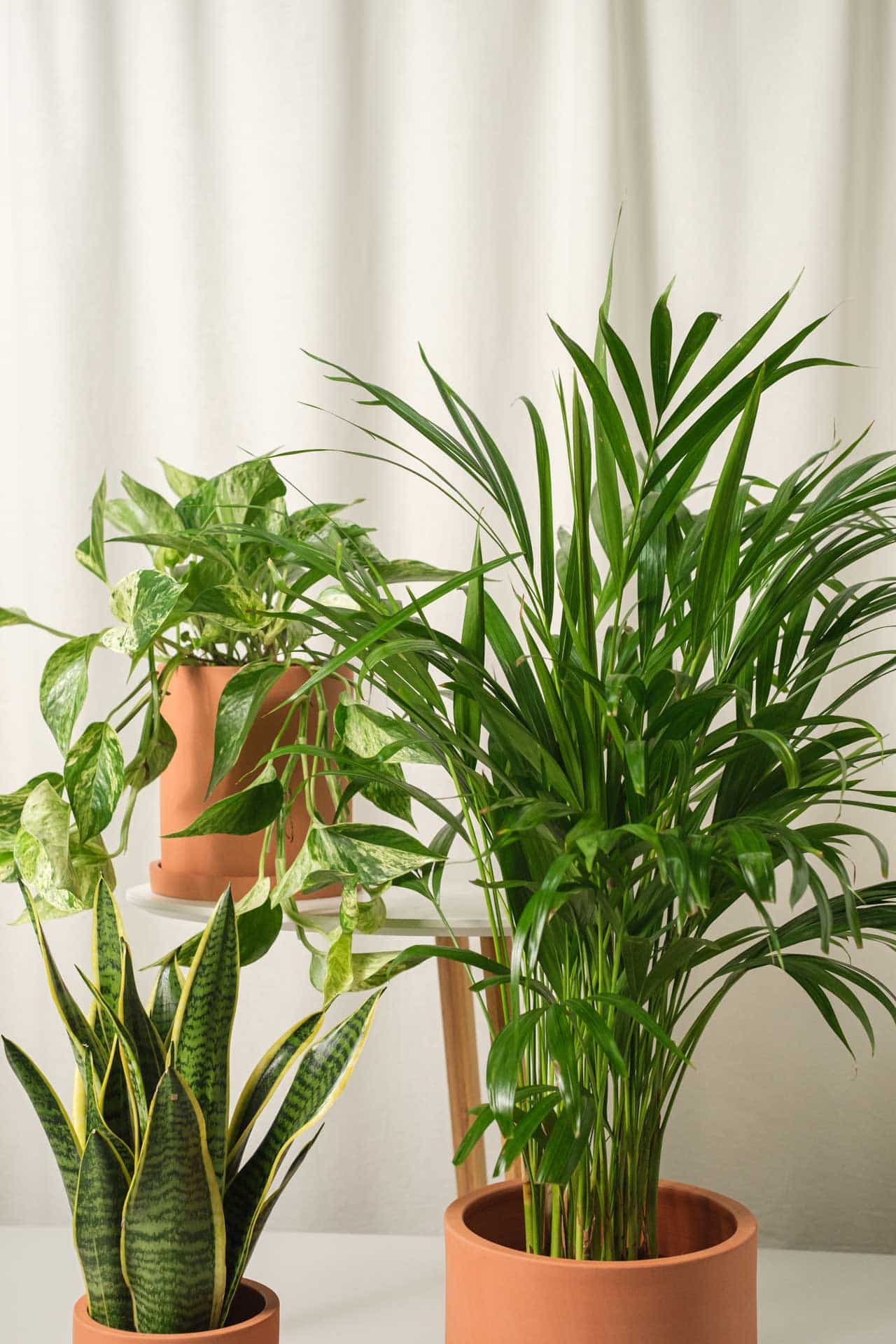
Mix of plants in glass
950 MDL
A delicate arrangement with a mix of plants in a glass container, bringing a touch of nature to any space. Perfect for those who love greenery but want an elegant and easy-to-maintain solution. Find out what conditions they prefer in the Plant Library.
Related products
The plant comes in a basic nursery pot.
We are happy to suggest and help you choose a new and appropriate one.
English ivy (Hedera helix variegata) is one of the most common ivy species and the most widely grown. It is very easy to grow, both in pots and as an ornamental outdoor plant. You’ve probably noticed it on the outside of buildings and houses that look like entrances to a secret botanical world.
Potted ivy requires much less water. Before watering, check the consistency of the substrate, which should be loose but dry on the surface. Be careful not to overwater. For optimal lighting, position the plant near a window to ensure it receives abundant light without direct exposure. Poor lighting can reduce the number of leaves and cause them to discolour.
Indoors, it can be placed on a shelf or taller plant stand to allow it to create that eye-catching cascade of creamy white variegated green leaves. It tends to grow vigorously, providing quick results for those who want to transform their room or garden in a short space of time.
The plant comes in a basic nursery pot.
We are happy to suggest and help you choose a new and appropriate one.
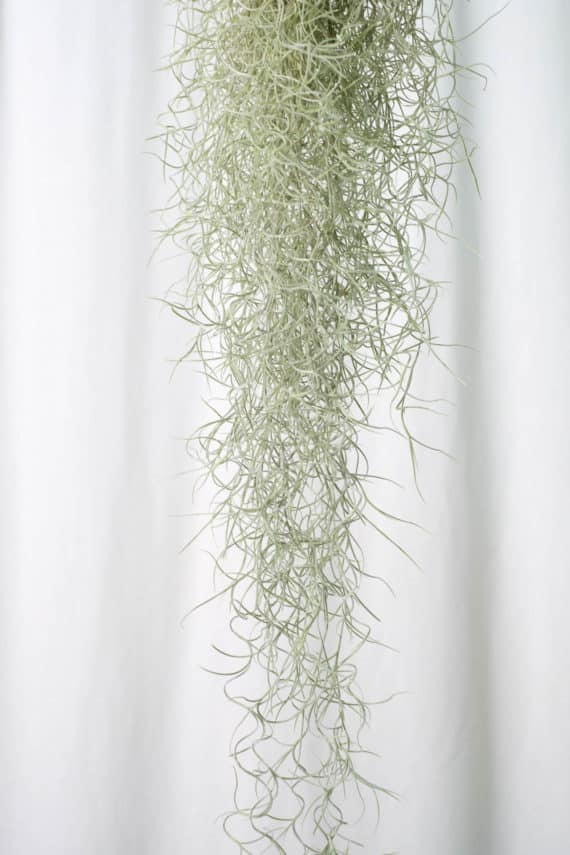
Spanish moss, also commonly known as Old Man’s Beard, is a tropical evergreen epiphytic perennial native to tropical America. Its latin name is Tillandsia usneoides. The name ‘Spanish Moss’ is a misnomer as this plant is neither Spanish nor a moss. It is a bromeliad, and the name has nothing to do with where it comes from. The beauty, non-toxicity and easy care of air plants are attracting more and more people to start their collections.
Since it likes relatively humid conditions, growing it in a light, bright bathroom or kitchen can be ideal – but Spanish moss can also thrive in other parts of your home as long as you make sure it gets the humidity and moisture it needs. When watering, ensure that water does not collect between the leaves, as this can cause them to rot. It is a good idea to tilt the plant slightly downwards or shake it gently after watering to avoid waterlogging.
The plant does not require a pot as it does not need soil. However, you can choose a pot for decorative purposes or for another plant.
The Boston fern is one of the easiest ferns to care for, which has made it a popular houseplant for decades. It is not difficult to look after, but it does require some special care. The most important thing is to give it the ideal growing conditions: standard room temperature (13-24°C), plenty of humidity and indirect light. If the humidity is too low, the leaves will turn yellow. Another important aspect is the soil. It must be kept moist as one of the main reasons why the plant may not survive is dry soil.
A popular display is a hanging basket. Arranged in this way, the leaves of the plant will arch towards the basket, giving the appearance of floating in the air. Boston ferns are not considered toxic to pets or children. In a pot or hanging from a modern macrame hanger, the Boston Fern is a wonderful addition to the kitchen or bathroom.
The plant comes in a basic nursery pot.
We are happy to suggest and help you choose a new and appropriate one.
The Schefflera plant, Schefflera Arboricola, native to South Asia and parts of Australia, is often called the umbrella plant, and for good reason. The five to seven leaflets that make up each long-stalked leaf resemble umbrellas.
The foliage will keep its healthy, glossy appearance if you spray it daily with water at room temperature. Being a medium light lover, placing it in strong direct sunlight will burn its leaves. It will also not do well in areas of extreme light deficiency and is best placed near a window – even a north-facing one. Yellowing and drooping leaves are probably a sign that the plant is overheating. Leave the soil to dry out longer between waterings. Brown, dry leaves – may be caused by underwatering.
To control the height of the plant and increase its bushy appearance, cut back any overhanging branches in spring. Don’t cut more than 30% of the plant as this can cause shock. It is considered poisonous to humans and pets. The sap in the leaves can cause mild skin irritation.
The plant comes in a basic nursery pot.
We are happy to suggest and help you choose a new and appropriate one.
Calathea is a plant that presents you with many challenges if you want to keep it radiant. That look of tropical beauty that you fall in love with when you see it takes a lot of care to maintain.
It is a perennial plant that lives in the forests of Bolivia, and its tropical nature suggests that it likes the soil to be moist and never completely dry. Calathea requires high humidity and constant soil moisture. In other words, give it jungle-like conditions and you’ll both be happy.
If you look at the plant and it seems changed, it’s probably not just your imagination. Its leaves are very lively and move throughout the day. Calathea is guaranteed to add a dramatic touch to your plant collection, as it is in high demand.
The plant is offered in simple factory pots.
We recommend and with a great pleasure will help you to choose a new and suitable one.
From aromatherapy to floral arrangements, there are many ways to enjoy eucalyptus. Eucalyptus plants thrive indoors as decorative shrubs with aromatic, fragrant leaves. They are not overly demanding, but a few guidelines will ensure optimum care.
Plant the eucalyptus in a large, conical pot for easy transplanting outdoors. Although resistant to drought, potted eucalyptus will dry out more quickly than in the garden. Be sure to water thoroughly until excess water drains away; good drainage is essential as eucalyptus does not tolerate waterlogged soil.
If you’re growing eucalyptus indoors, place the pot near a south-facing window so it gets plenty of sunlight. Regular pruning is necessary due to its rapid growth.
The plant comes in a basic nursery pot.
We are happy to suggest and help you choose a new and appropriate one.
The plant comes in a basic nursery pot.
We are happy to suggest and help you choose a new and appropriate one.
Hoya Kerrii, commonly known as the Sweetheart Hoya or Valentine Hoya, is native to Southeast Asia, particularly in Thailand and parts of China. This unique vining succulent is trendy each year around Valentine’s Day.
Not only it is adorable, but produces trailing woody vines that are delightfully easy to grow, low maintenance, and slow-growing. Give it indirect light, and moderate watering and protect it from low temperatures.
The plant comes in a basic nursery pot.
We are happy to suggest and help you choose a new and appropriate one.
A terrarium with sand and succulents is like a slice of desert captured under glass—minimalist yet full of life. It’s the kind of décor that brings a touch of nature right onto your living room or office shelf, without demanding much attention. Succulent plants are like seasoned travellers—they can survive weeks without water and won’t be a bother. The perfect gift for someone who wants a bit of nature without the fuss! Discover their preferred conditions in the Plant Library.
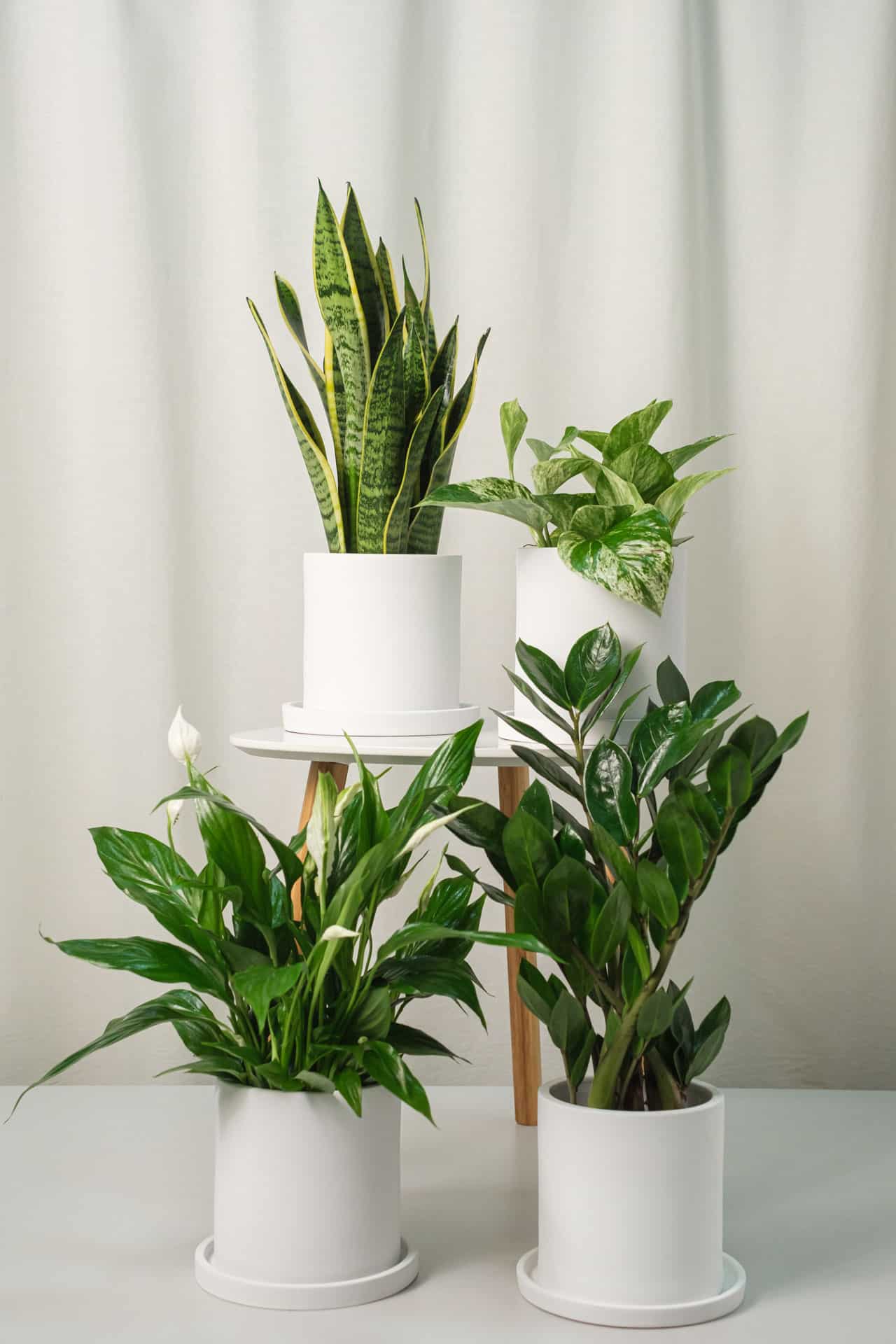
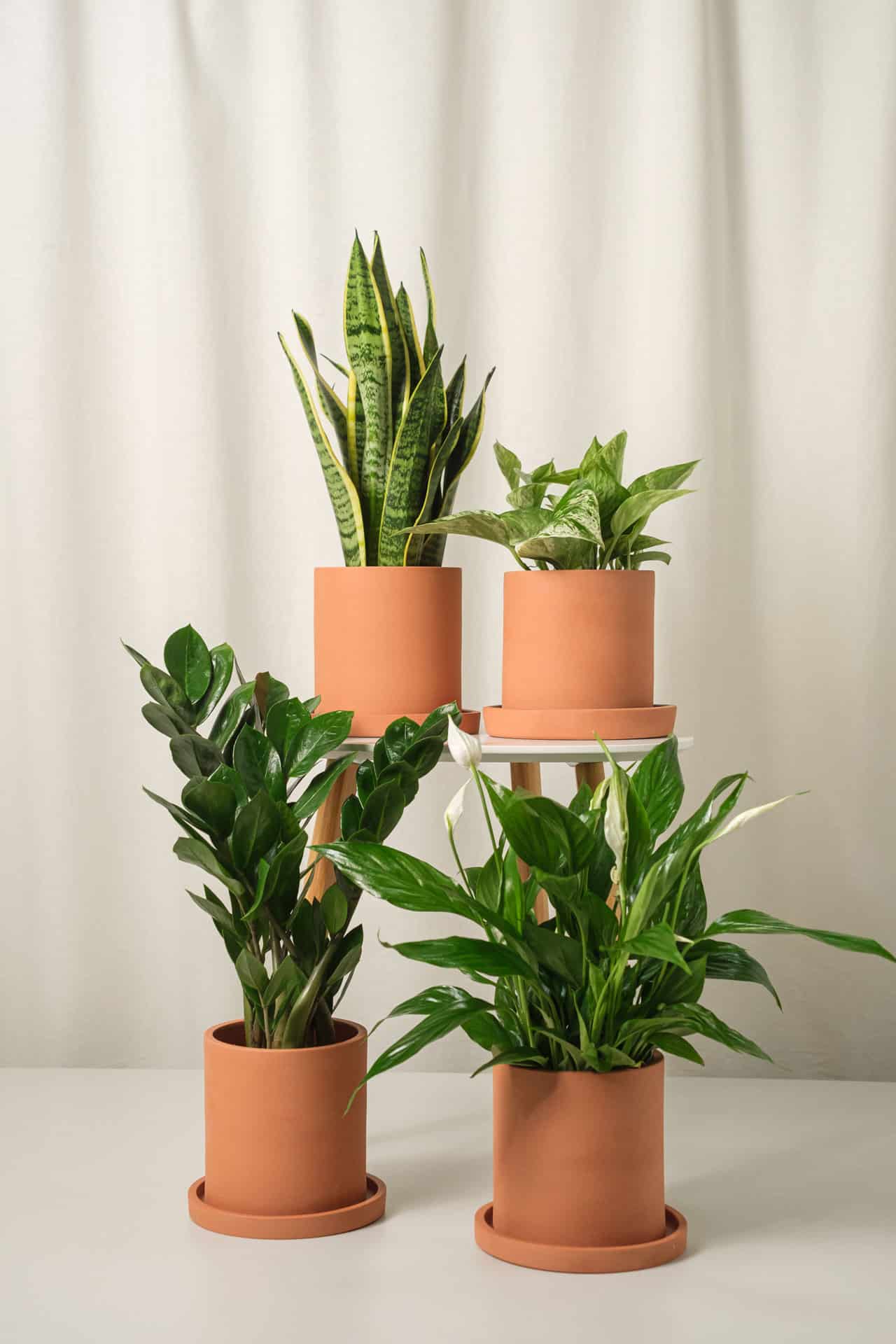
This set features four easy-care plants that thrive in low light, perfect for brightening up dark corners. They can be grouped or placed in different rooms. The set includes the resilient ZZ plant, elegant Spathiphyllum, hardy Snake plant, and vibrant Scindapsus.
*Enjoy free transplanting and delivery with this purchase. Choose between clay or plastic pots for your set.
*You save more when you buy a plant set. Additional discounts cannot be applied.