Musa Banana
from 550 MDL
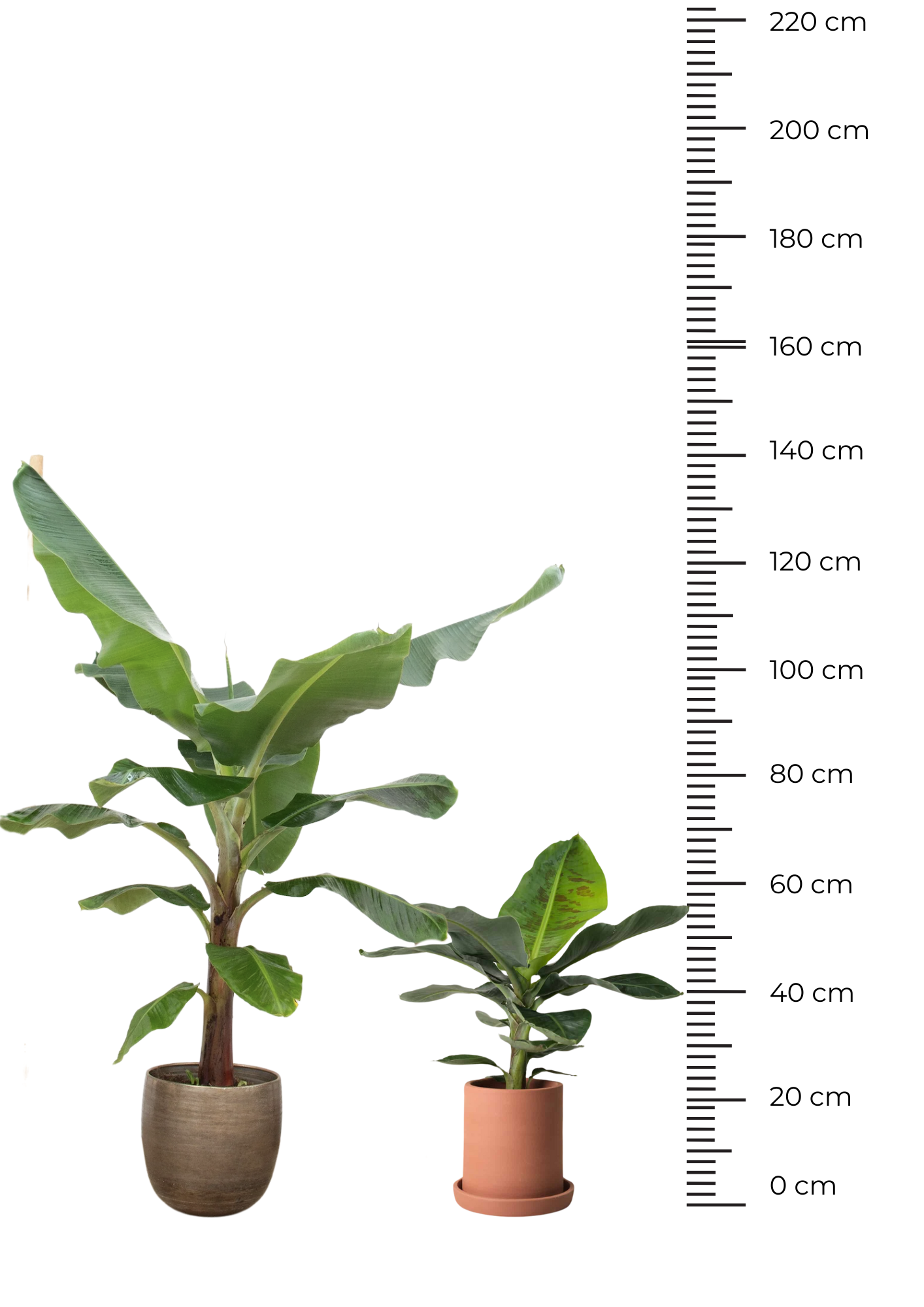
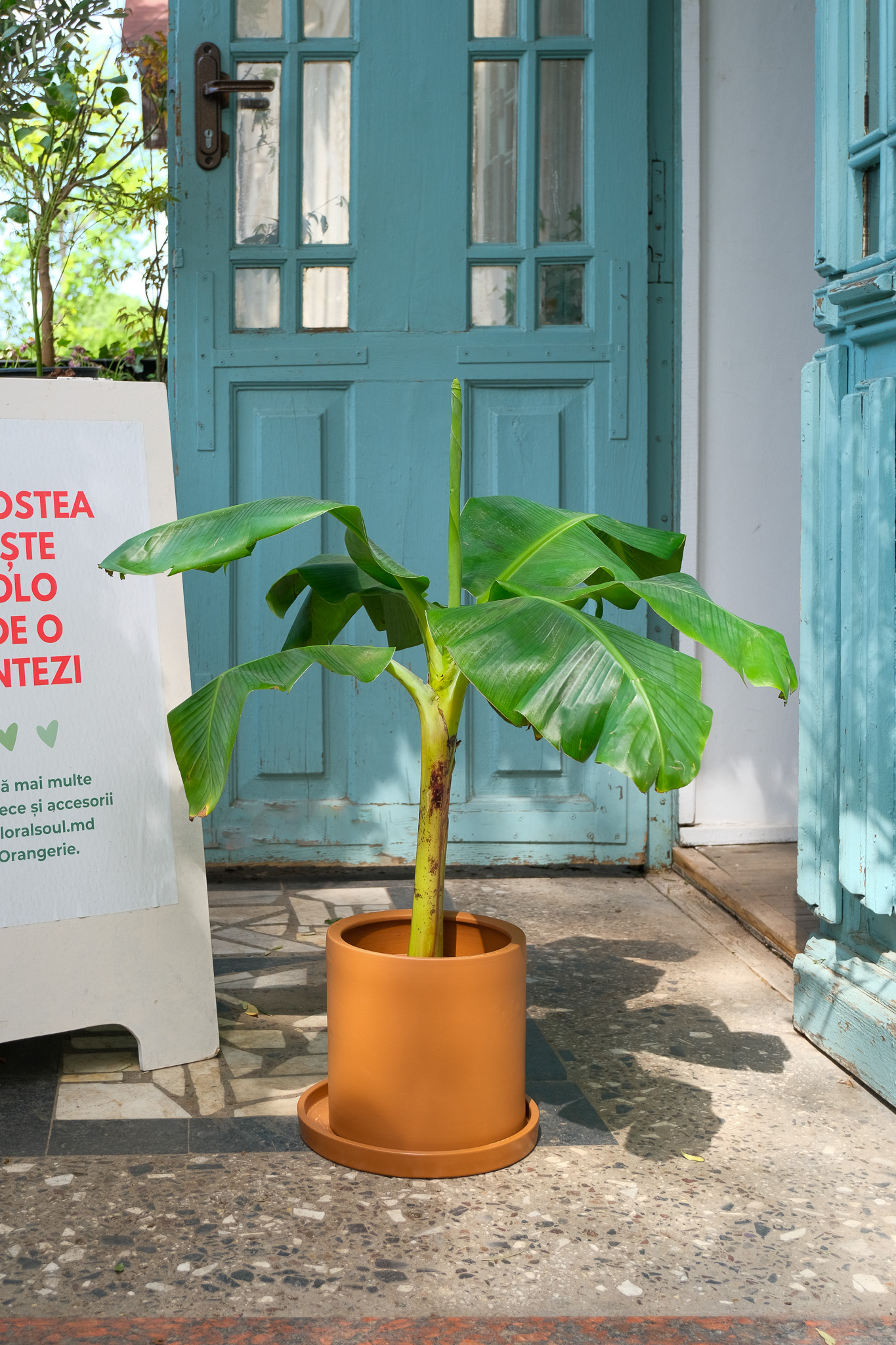
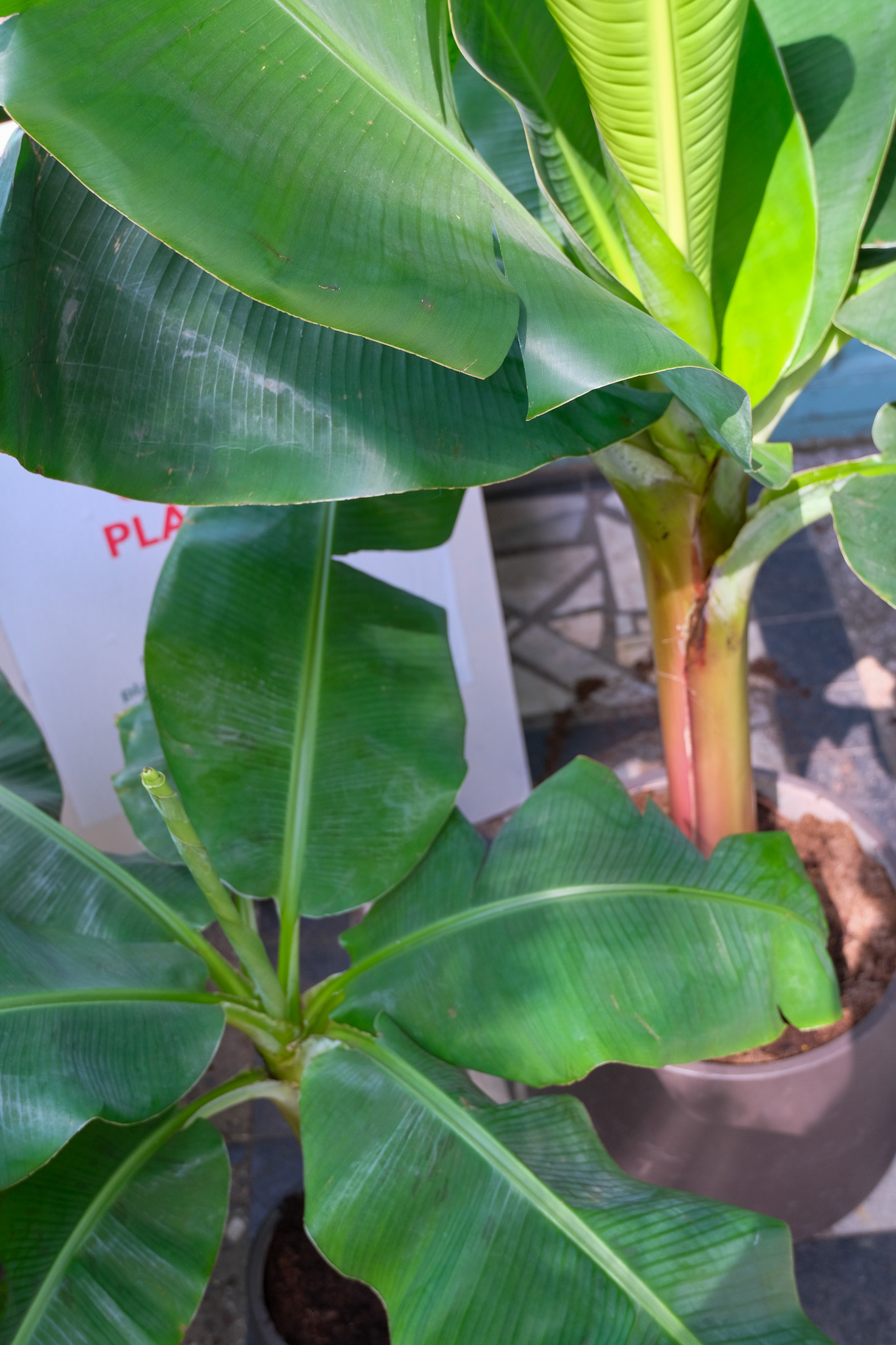
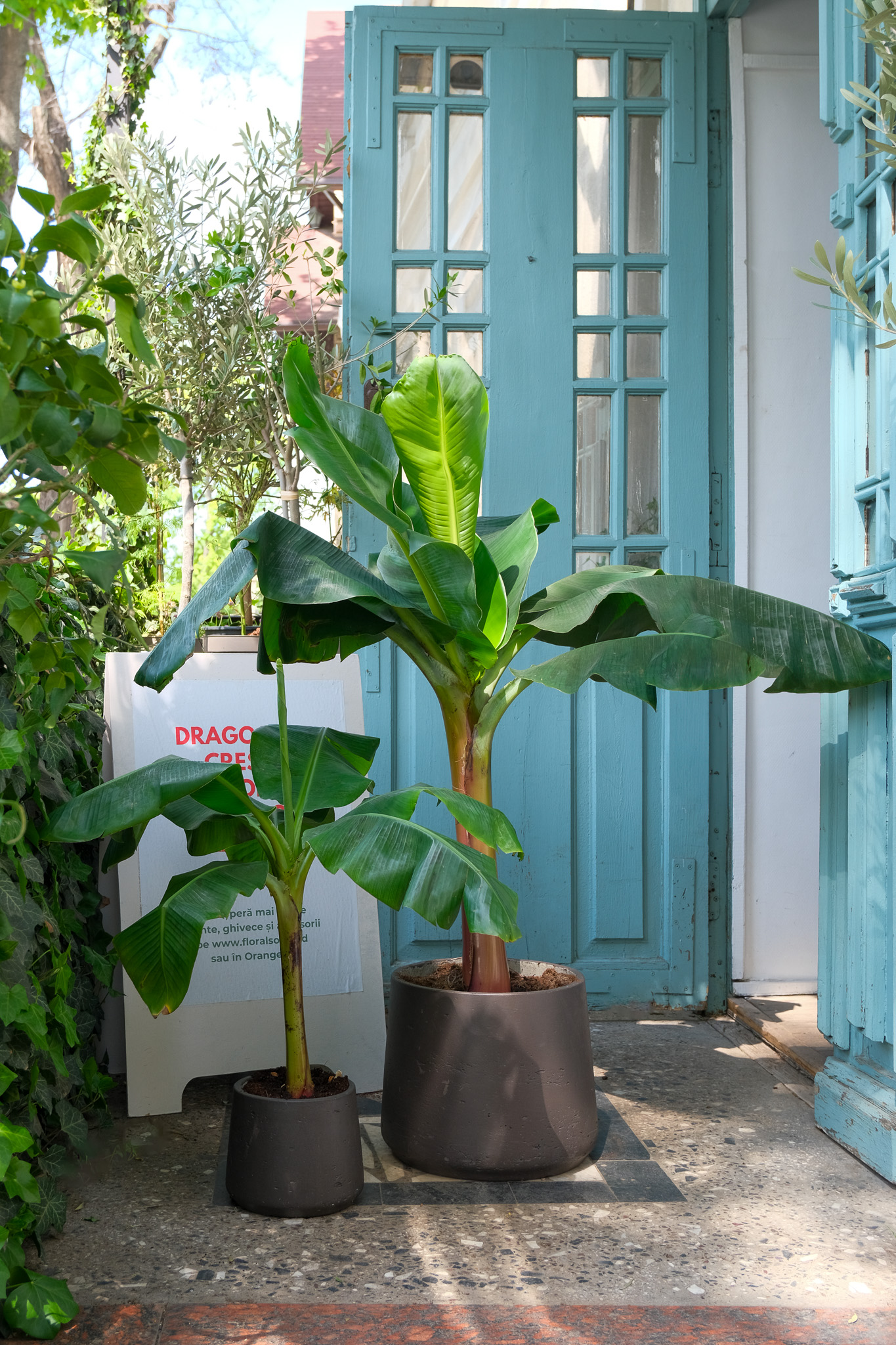
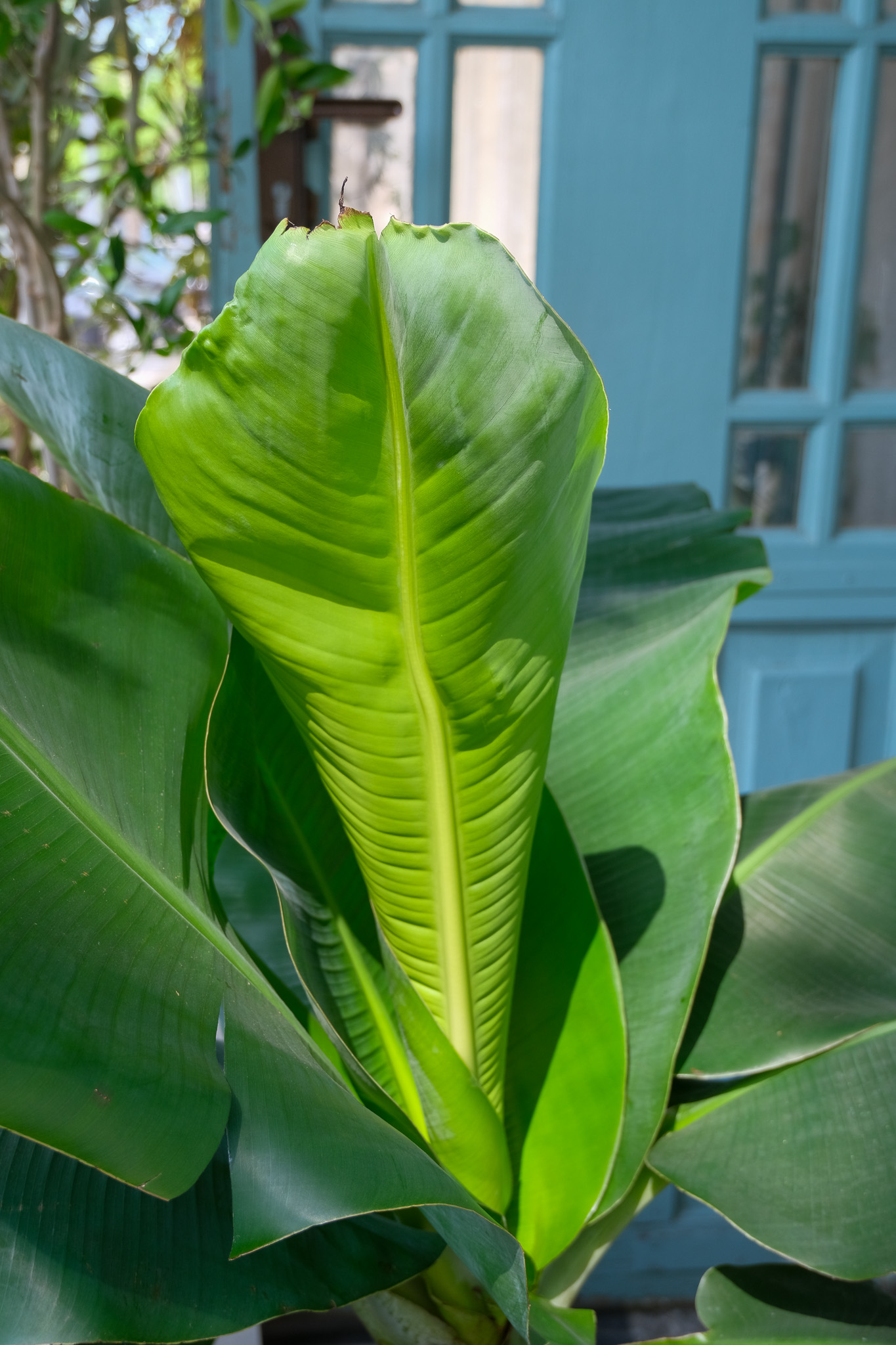
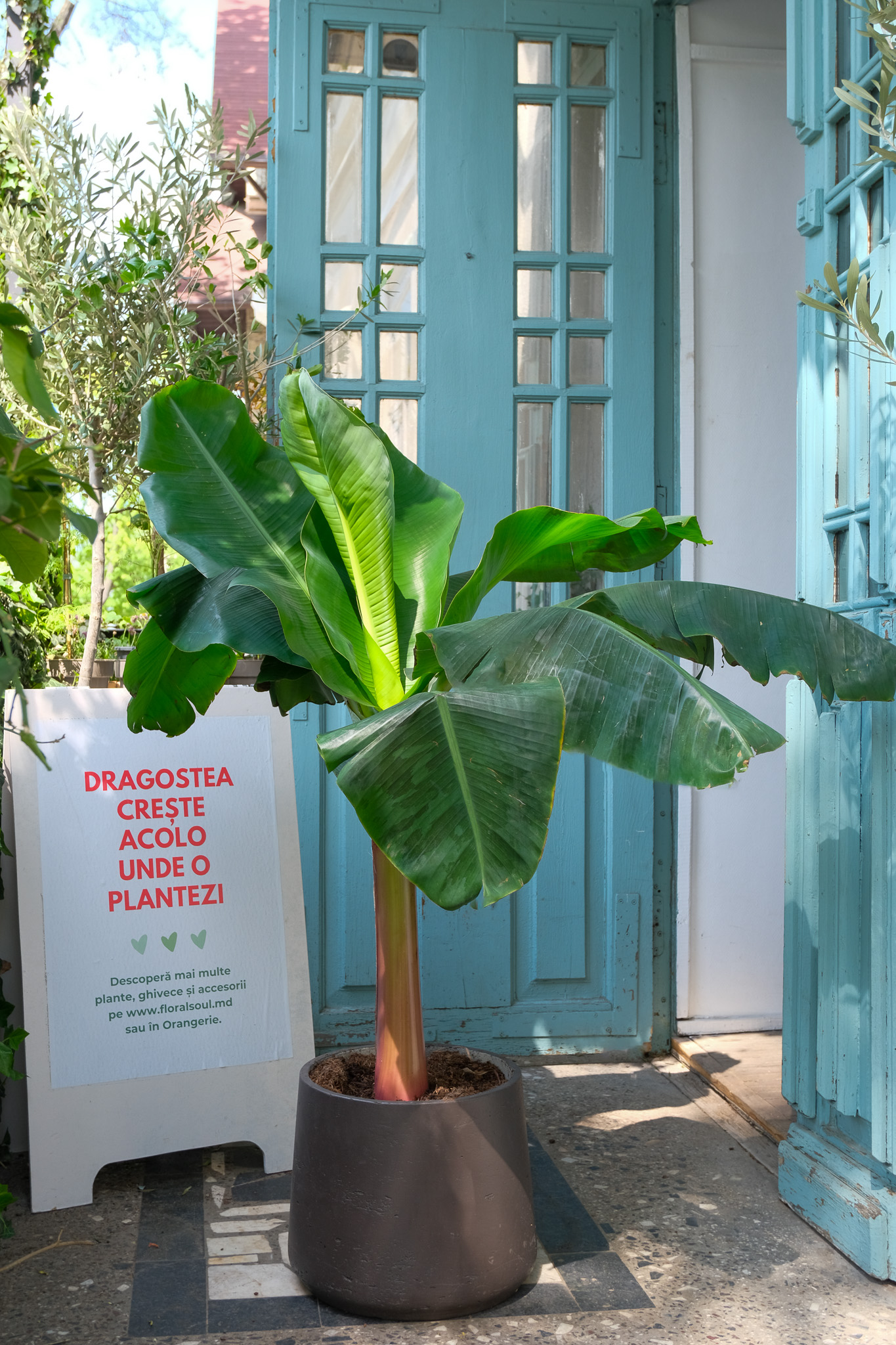
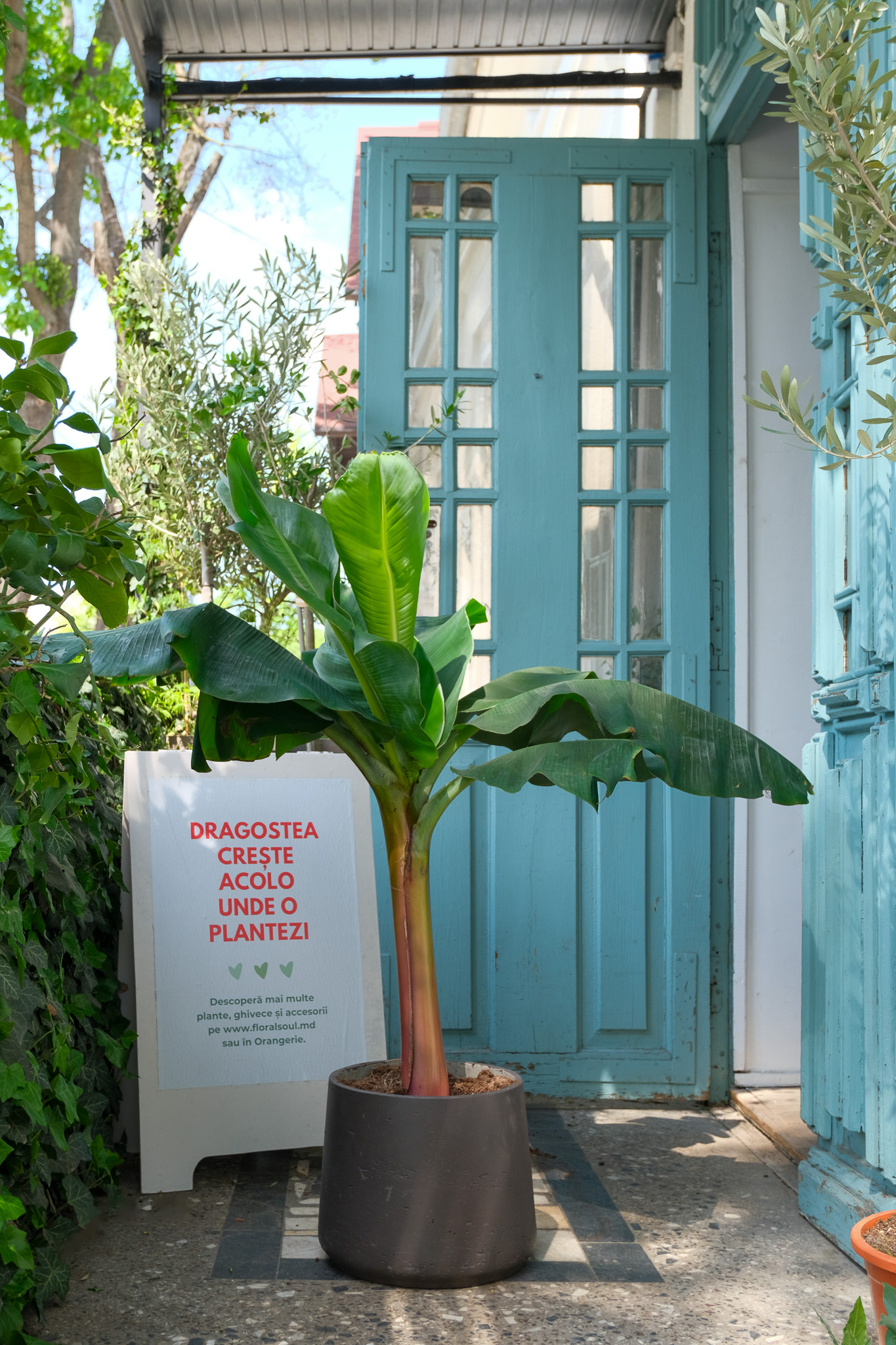
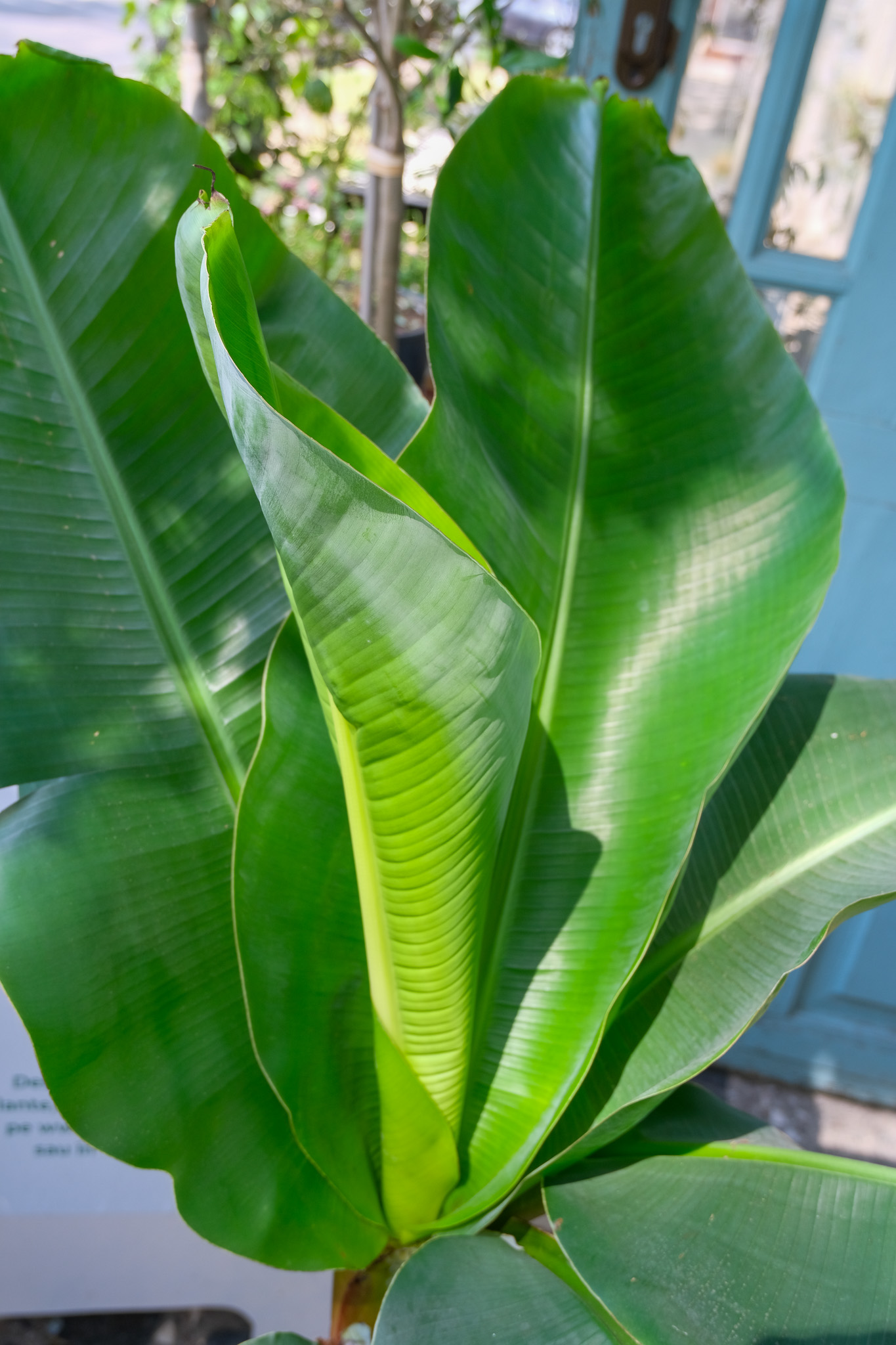
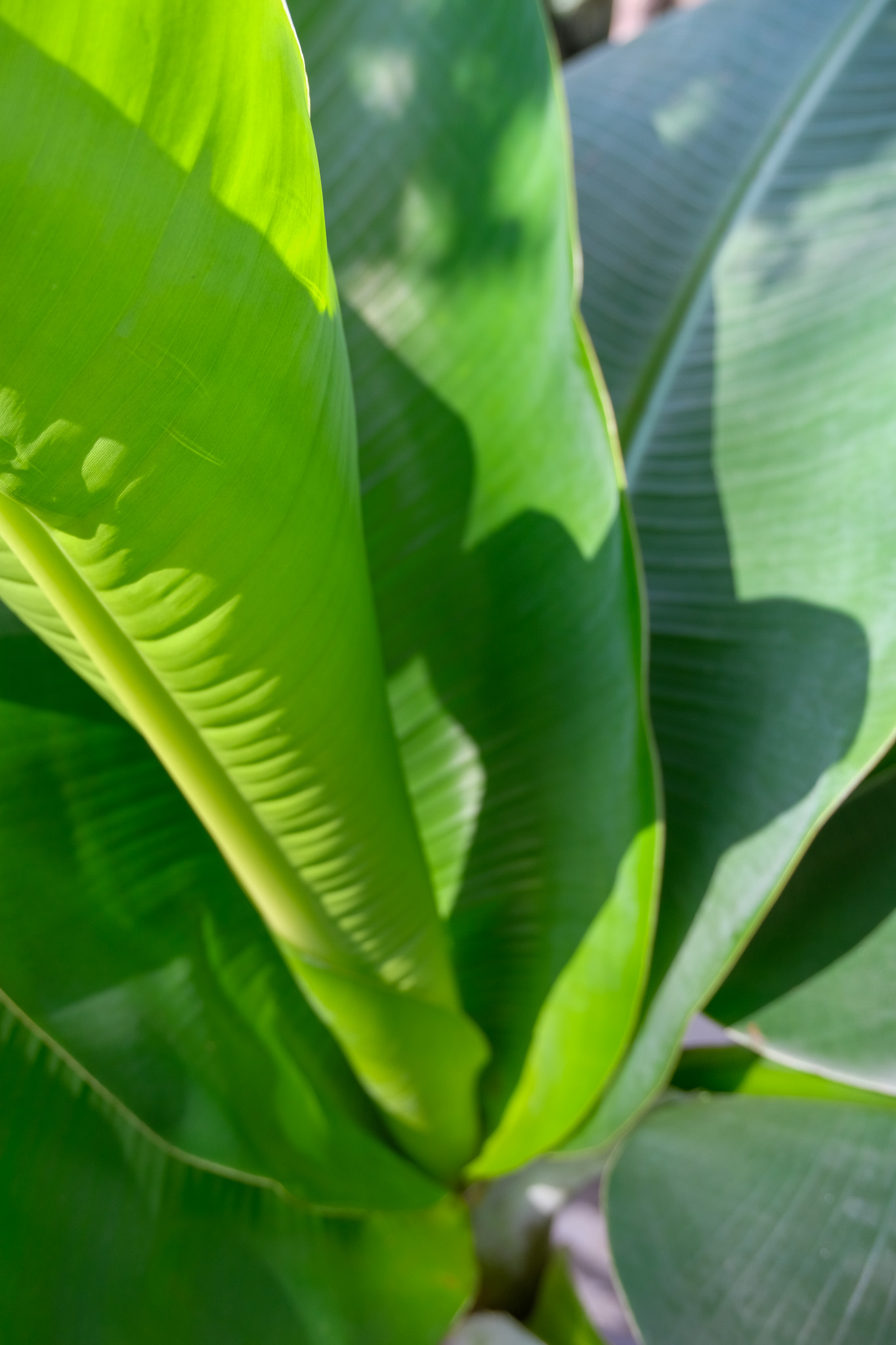
Because it rarely grows over three metres, this species is known as the dwarf Cavendish. Although it doesn’t grow as tall as the houseplant, it is still a very large plant. Its leaves are huge, so it’s good for homes with lots of space.
It likes bright light and can tolerate some direct sunlight during the day. Its soil should be allowed to dry out a little between waterings, but you should still mist it frequently as its huge leaves need a lot of moisture. You can help it grow healthily by feeding it once a month in spring and summer with liquid fertiliser.
Please note that despite its name, this banana tree won’t bear fruit.
The plant comes in a basic nursery pot.
We are happy to suggest and help you choose a new and appropriate one.
Related products
Hoya Kerrii, commonly known as the Sweetheart Hoya or Valentine Hoya, is native to Southeast Asia, particularly in Thailand and parts of China. This unique vining succulent is trendy each year around Valentine’s Day.
Not only it is adorable, but produces trailing woody vines that are delightfully easy to grow, low maintenance, and slow-growing. Give it indirect light, and moderate watering and protect it from low temperatures.
The plant comes in a basic nursery pot.
We are happy to suggest and help you choose a new and appropriate one.
If you want to create a tropical holiday atmosphere in your home, you can’t beat the areca palm, with its elegantly arched leaves.
The Areca Palm, also known by its Latin name Dypsis Lutescens, is native to Madagascar. It is a fabulous houseplant, often grown for its dramatic tropical effect. It’s particularly good at making a visual impact wherever it’s placed. This makes it popular with plant lovers and interior designers.
With smooth, bamboo-like stems and full but narrow leaves, this green beauty needs plenty of room to spread out. We recommend placing it in a spacious area such as a reception, kitchen, hallway or living room. If you have plenty of light in your bedroom it would also work well there.
The plant comes in a basic nursery pot.
We are happy to suggest and help you choose a new and appropriate one.
The Boston fern is one of the easiest ferns to care for, which has made it a popular houseplant for decades. It is not difficult to look after, but it does require some special care. The most important thing is to give it the ideal growing conditions: standard room temperature (13-24°C), plenty of humidity and indirect light. If the humidity is too low, the leaves will turn yellow. Another important aspect is the soil. It must be kept moist as one of the main reasons why the plant may not survive is dry soil.
A popular display is a hanging basket. Arranged in this way, the leaves of the plant will arch towards the basket, giving the appearance of floating in the air. Boston ferns are not considered toxic to pets or children. In a pot or hanging from a modern macrame hanger, the Boston Fern is a wonderful addition to the kitchen or bathroom.
The plant comes in a basic nursery pot.
We are happy to suggest and help you choose a new and appropriate one.