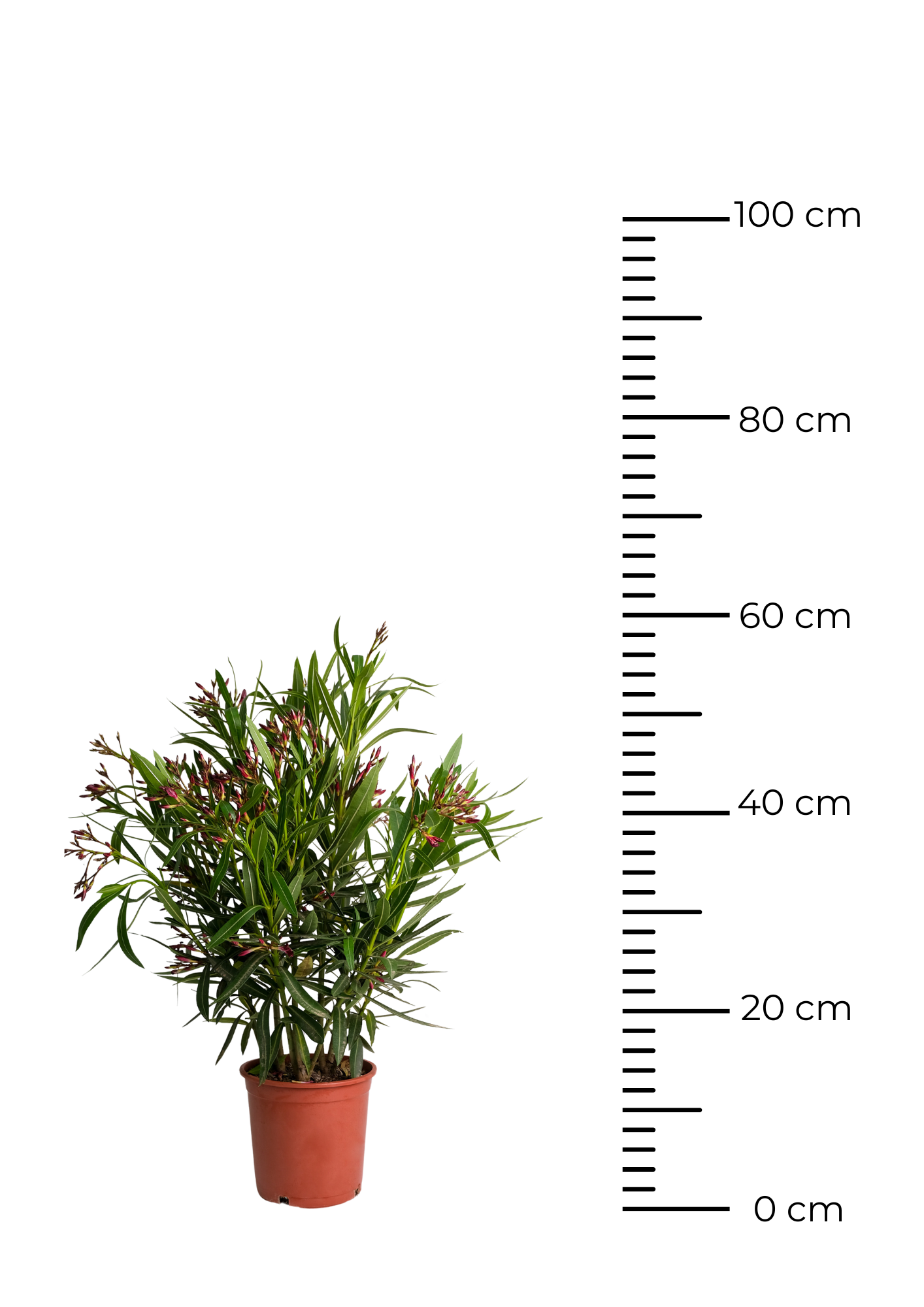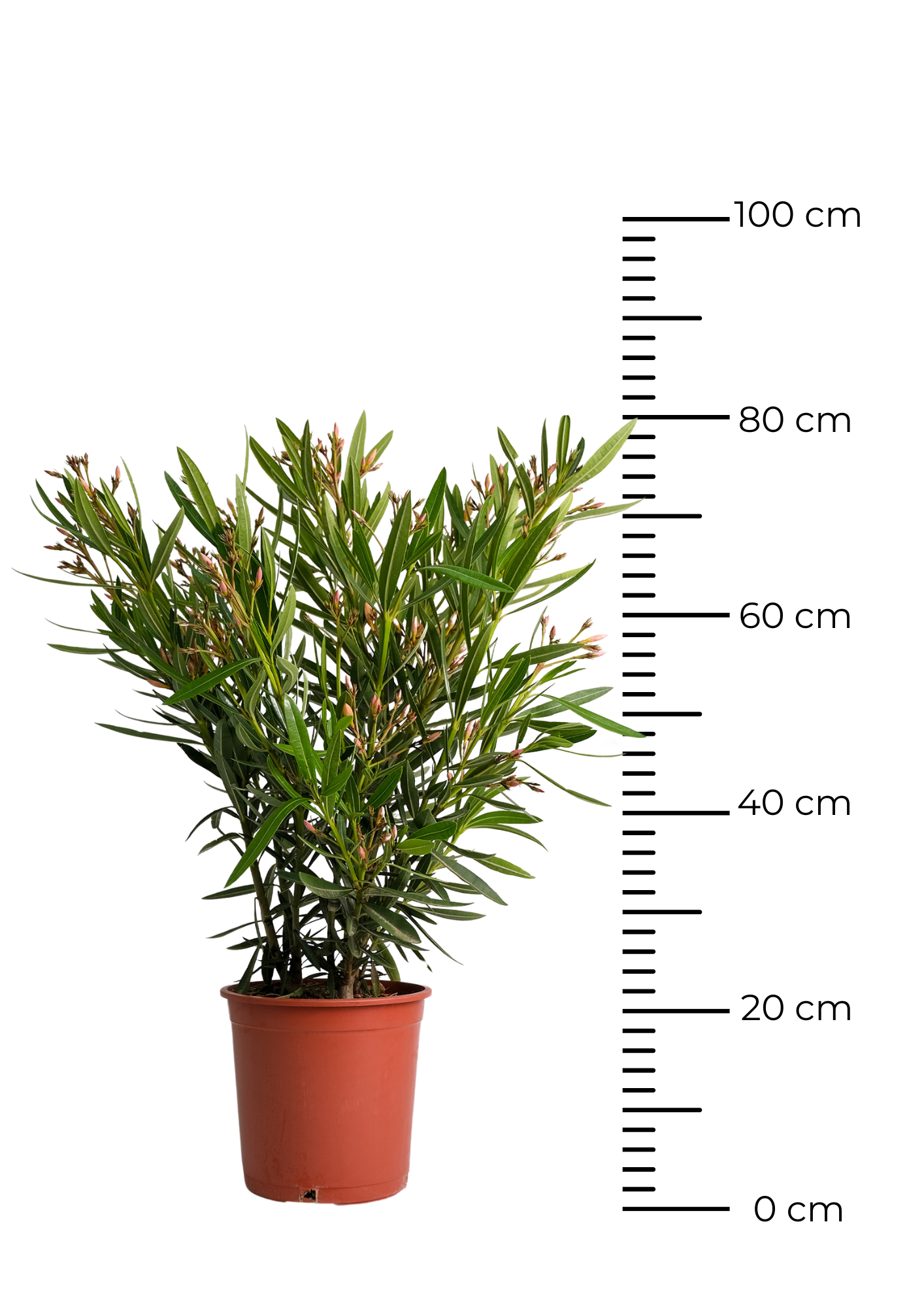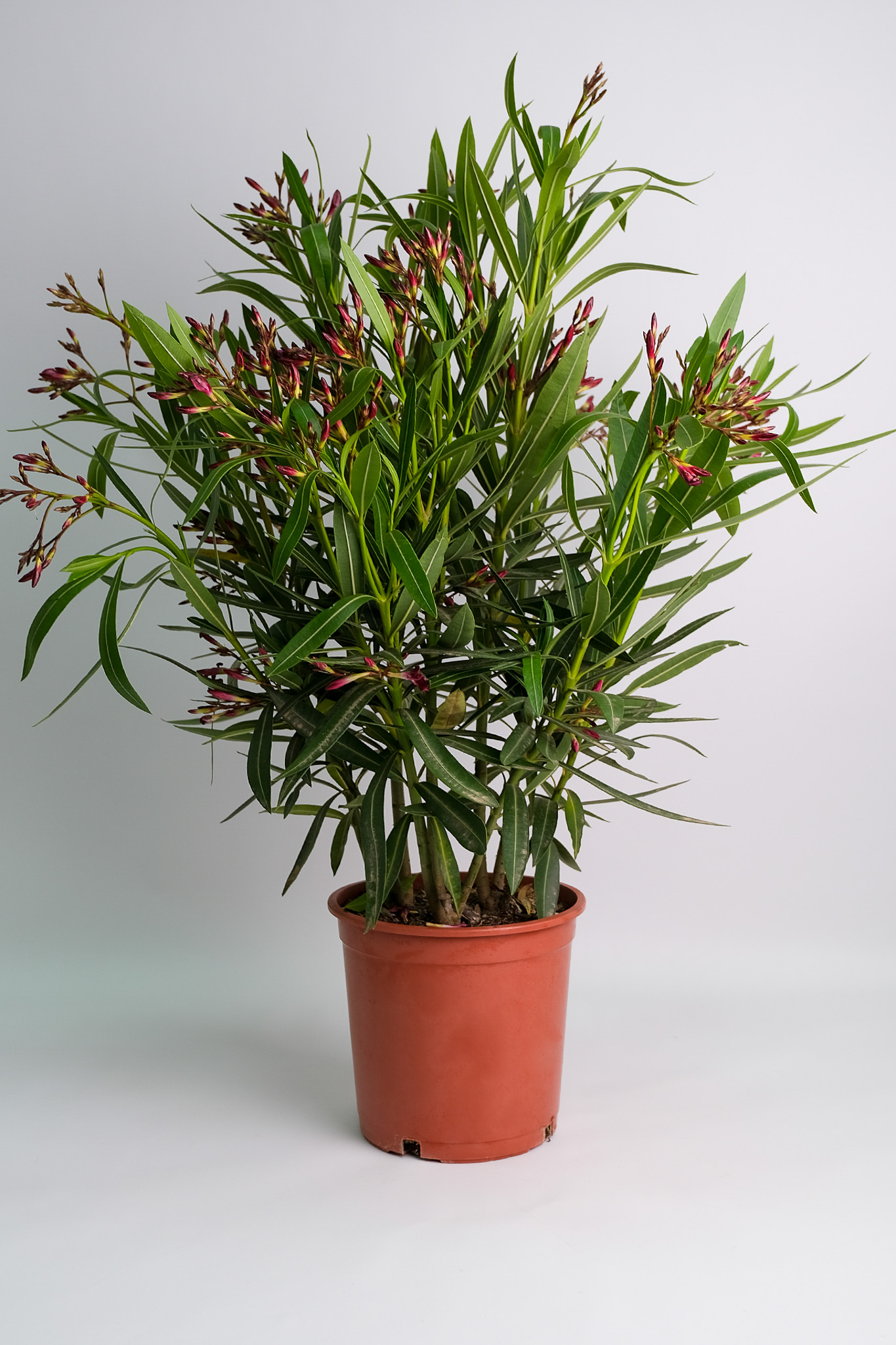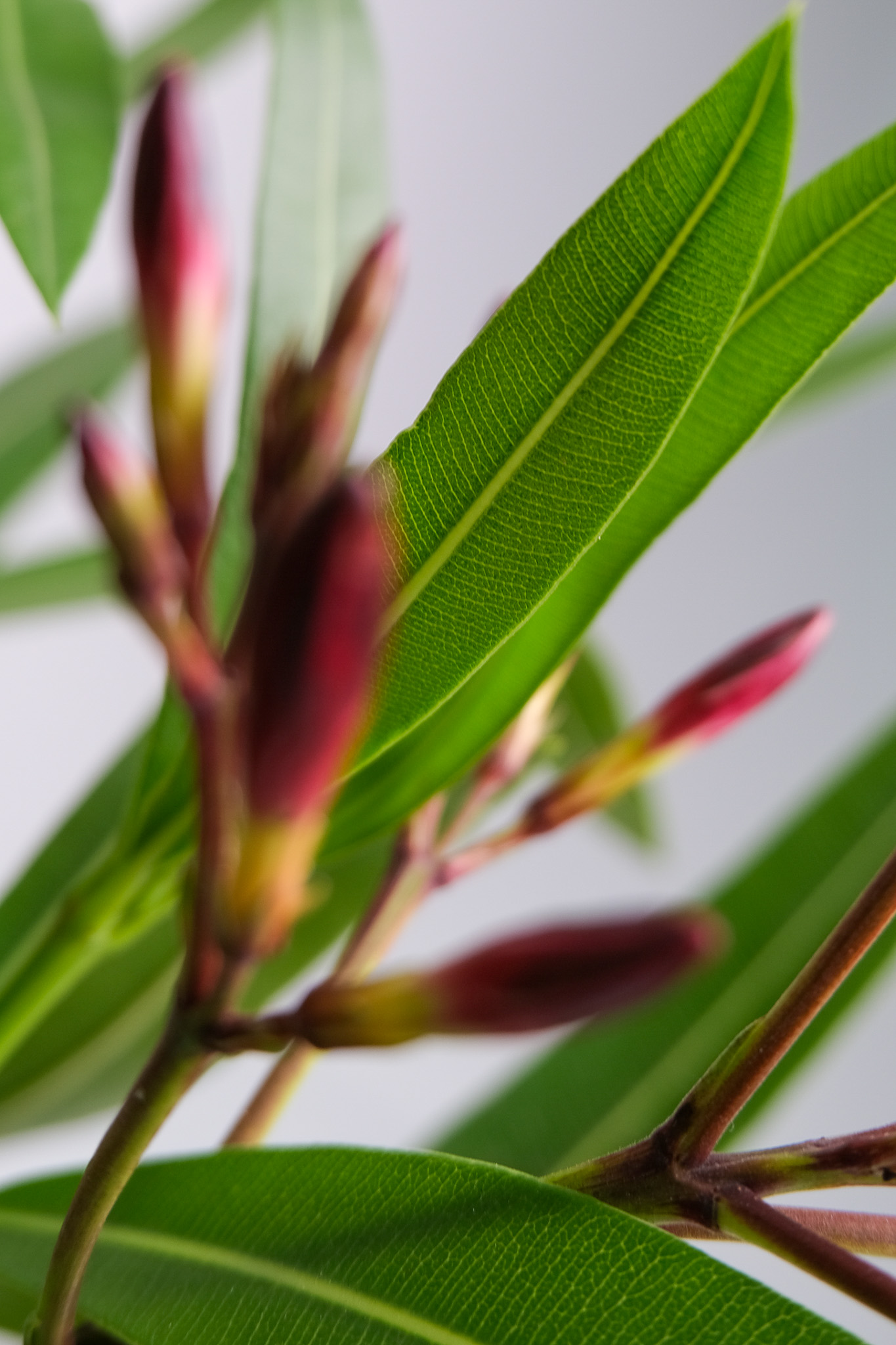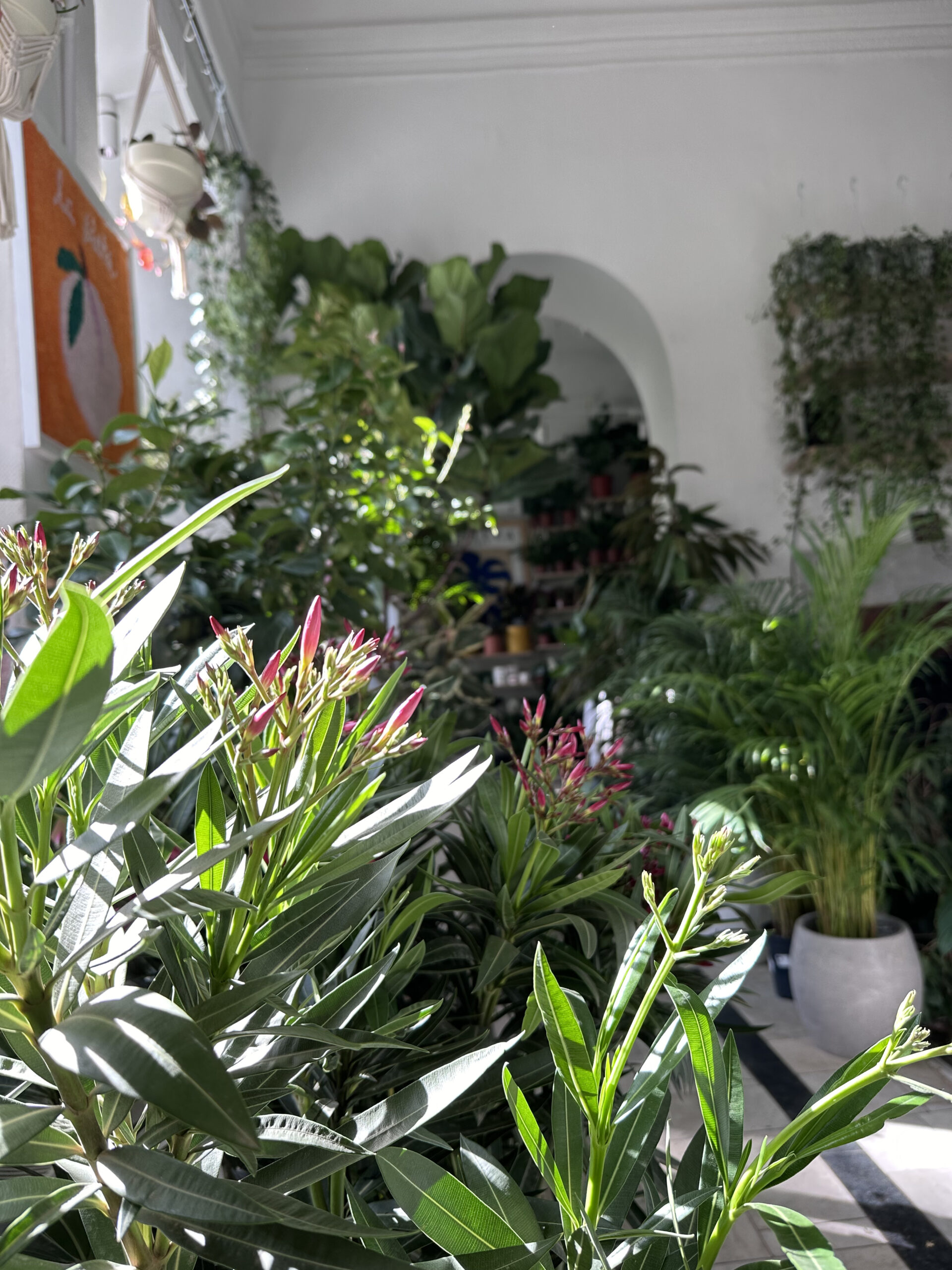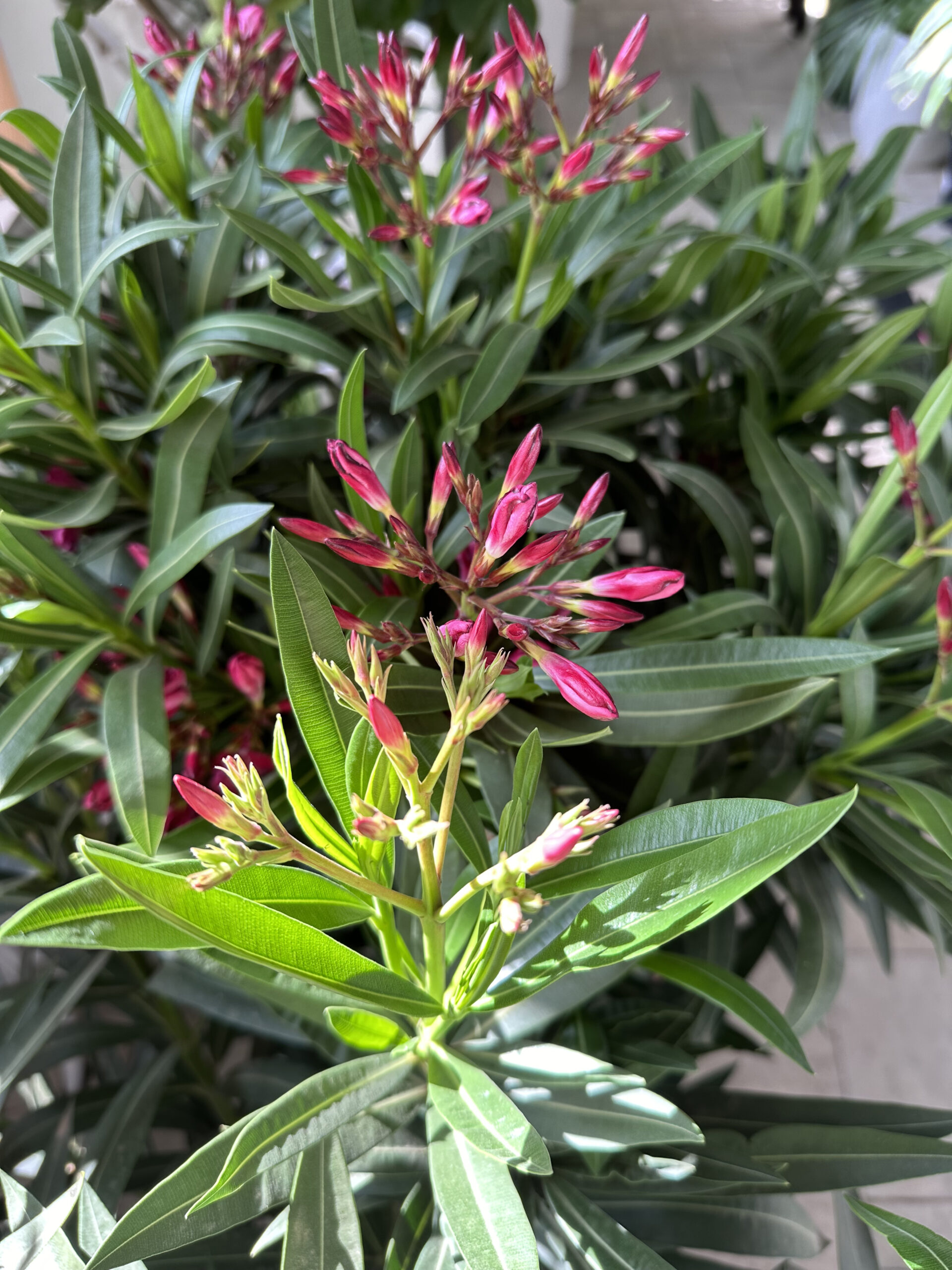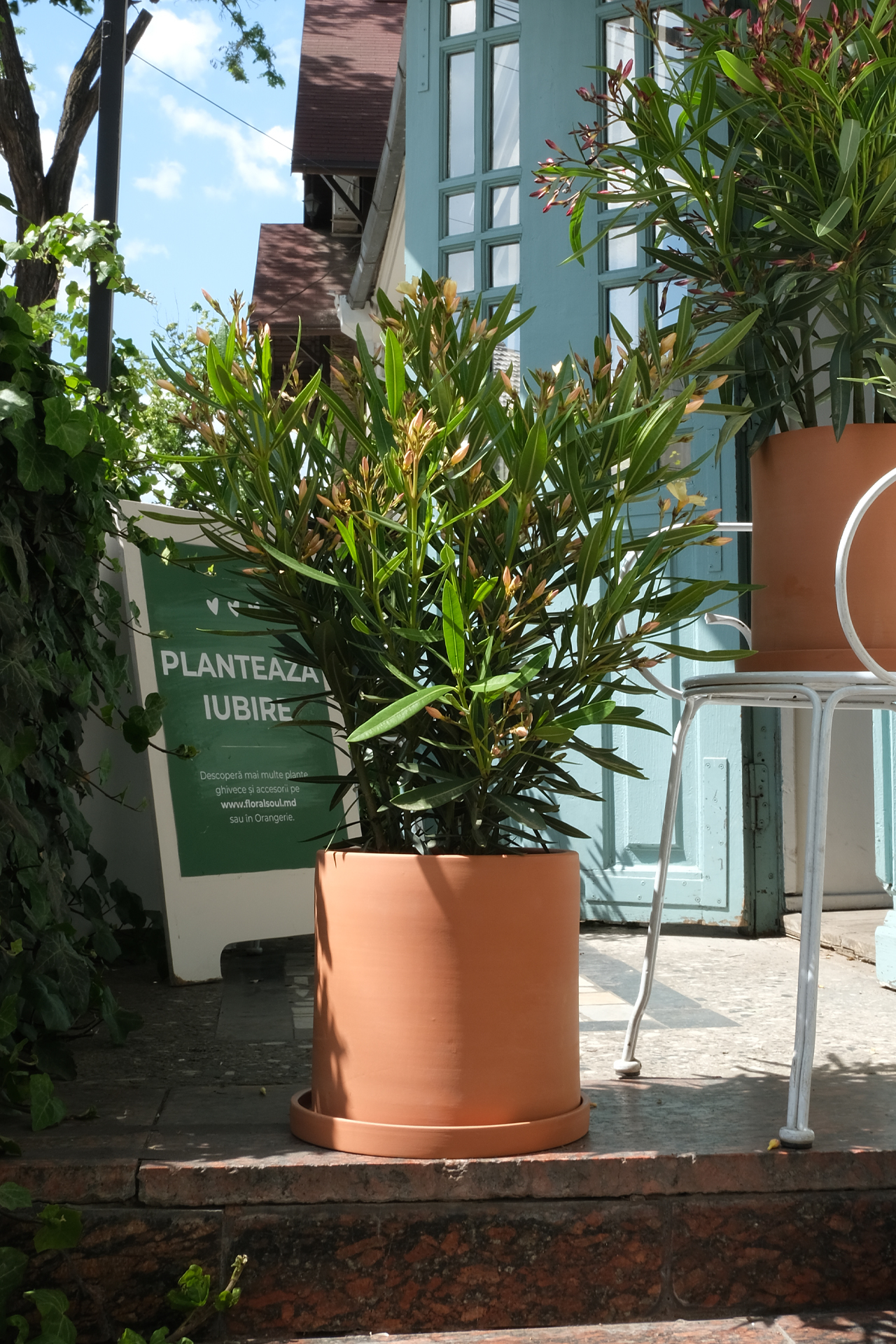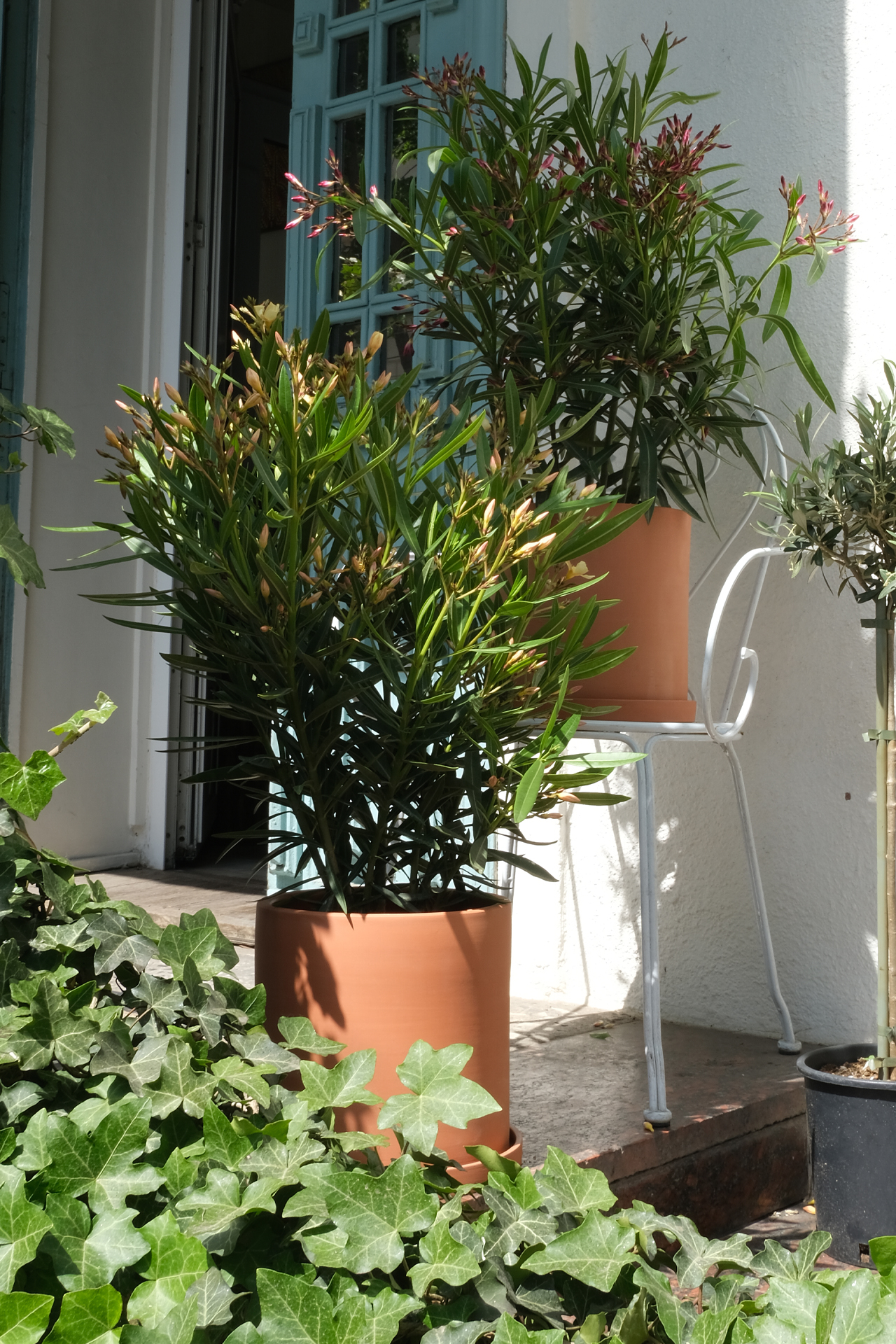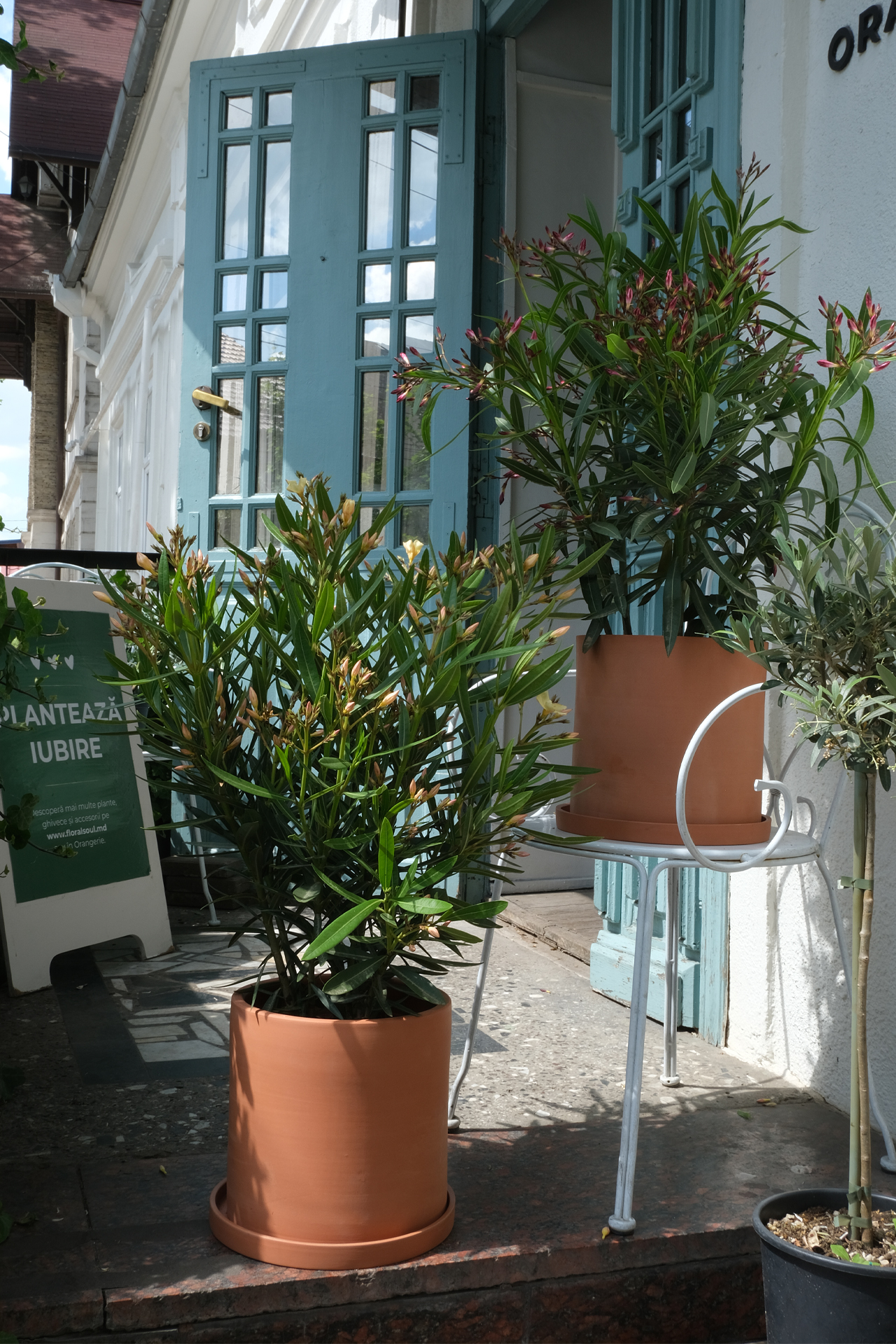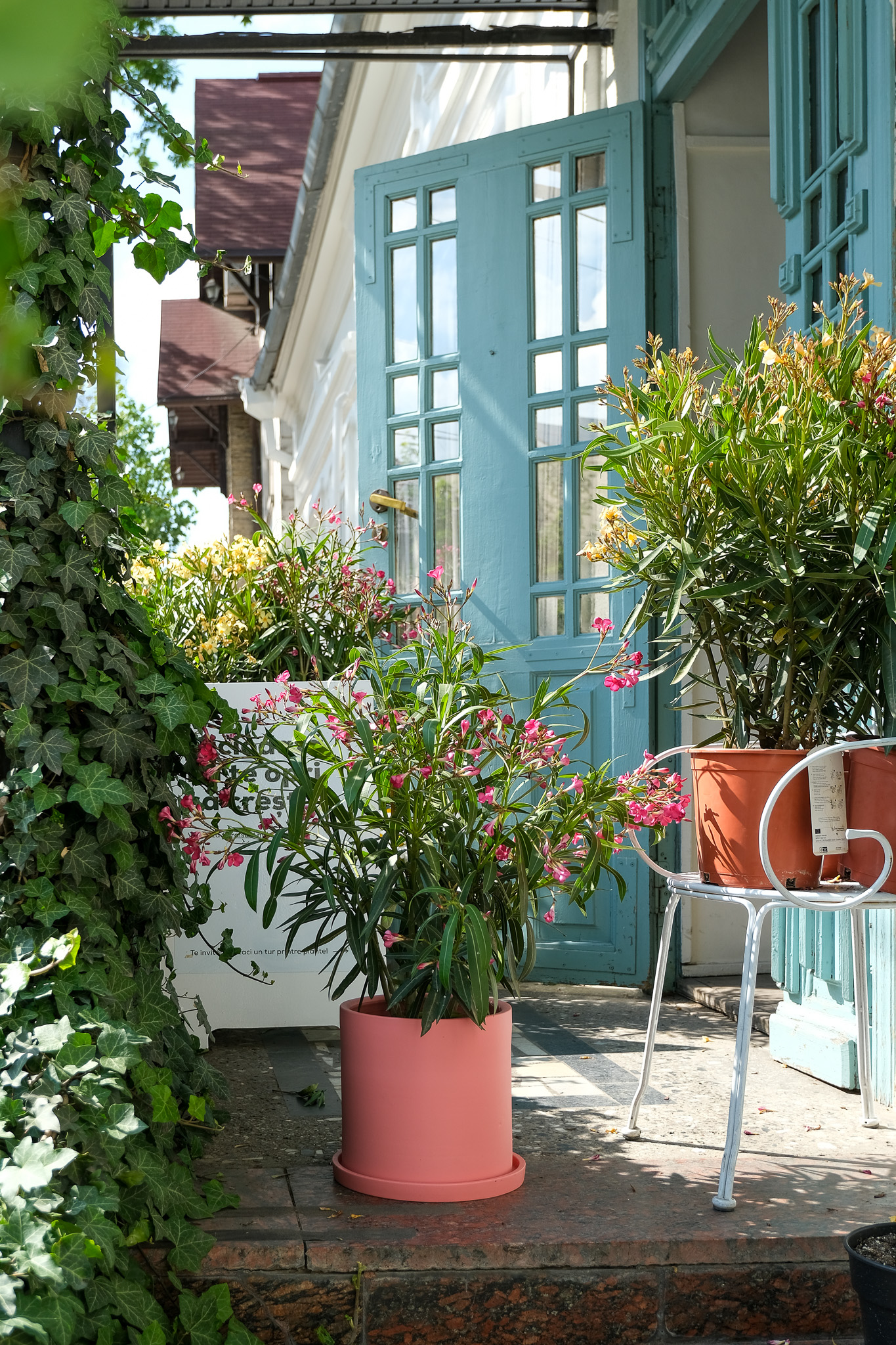
Nerium Oleander
from 500 MDL
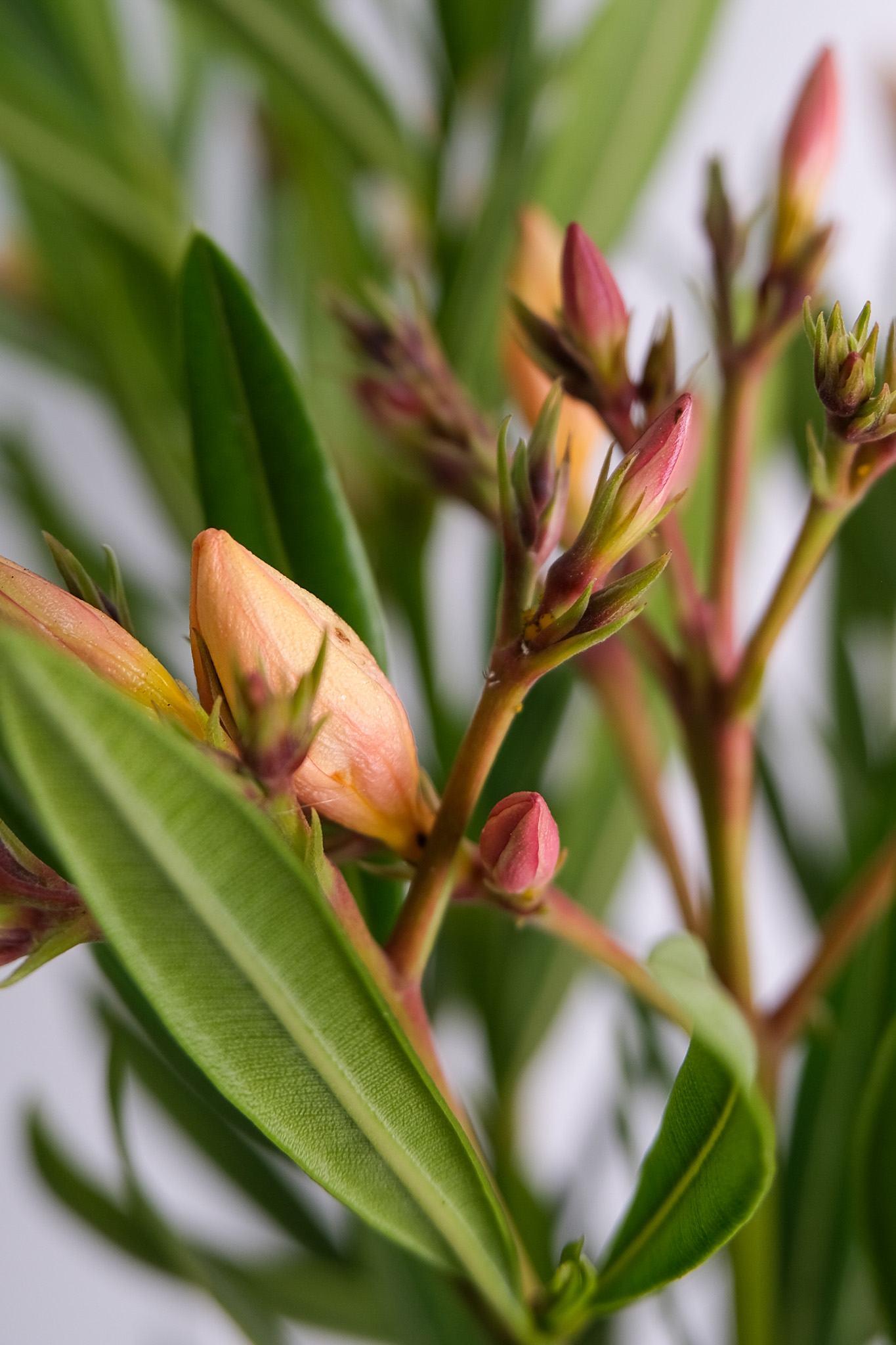
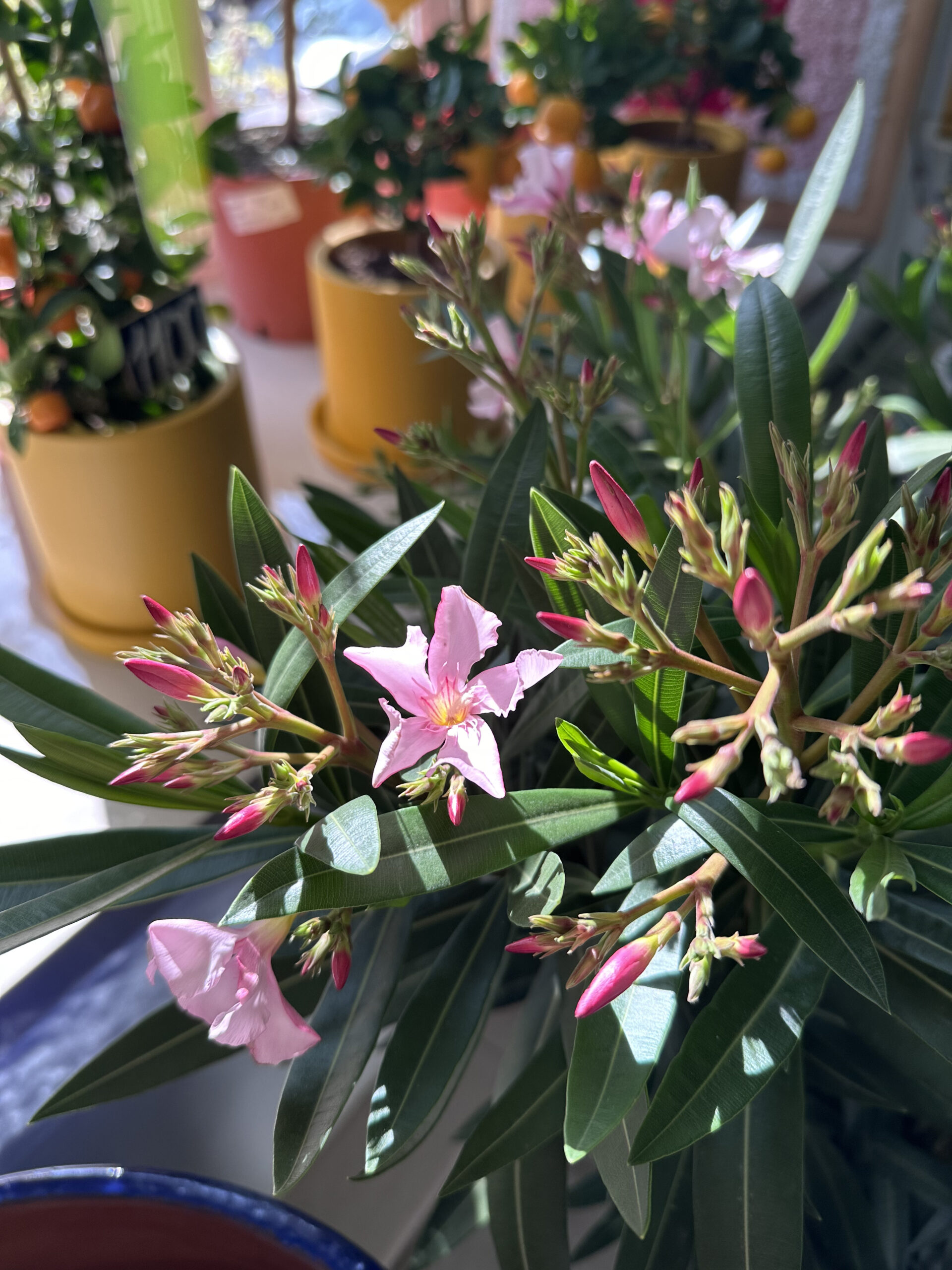
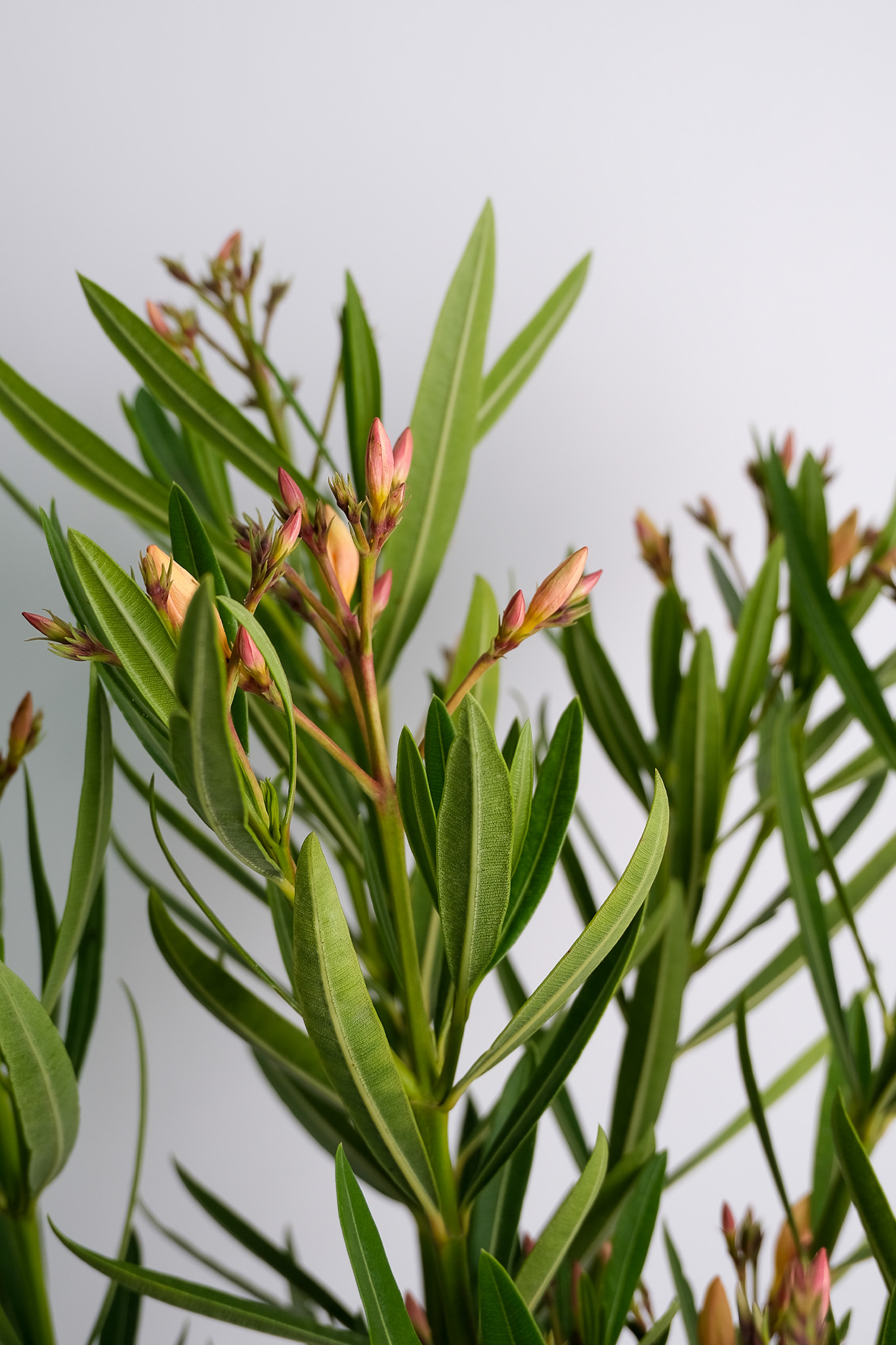
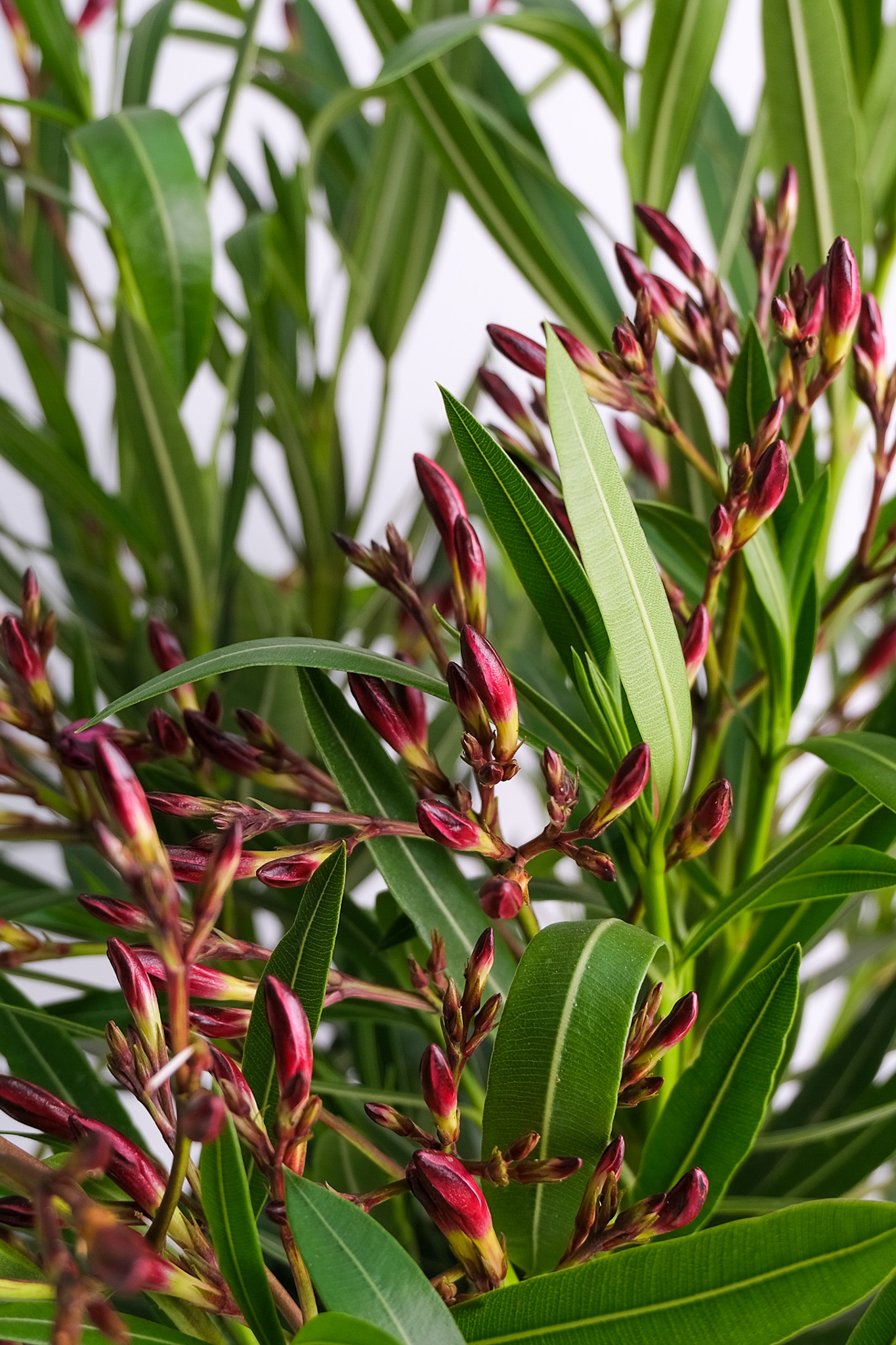
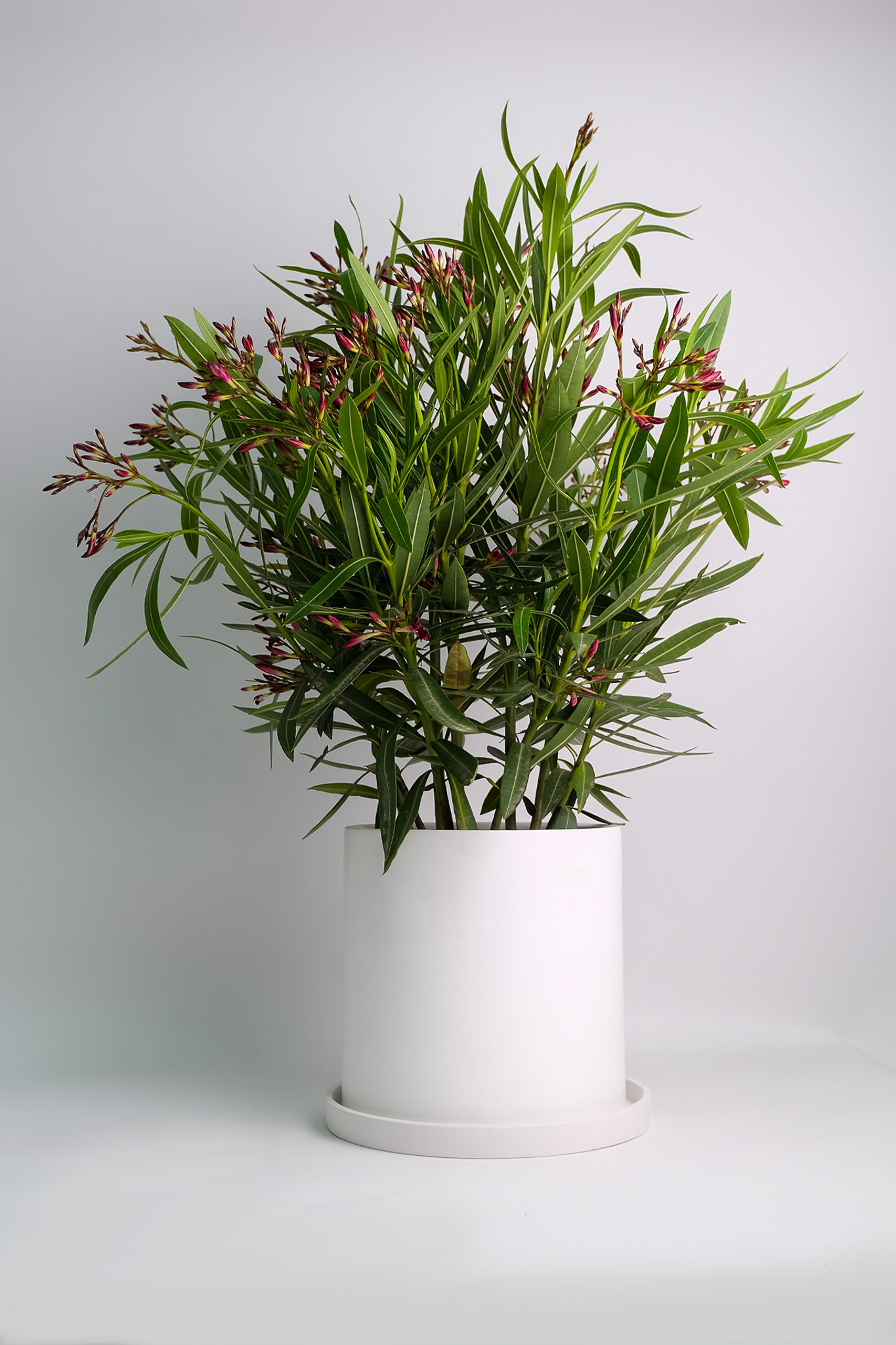
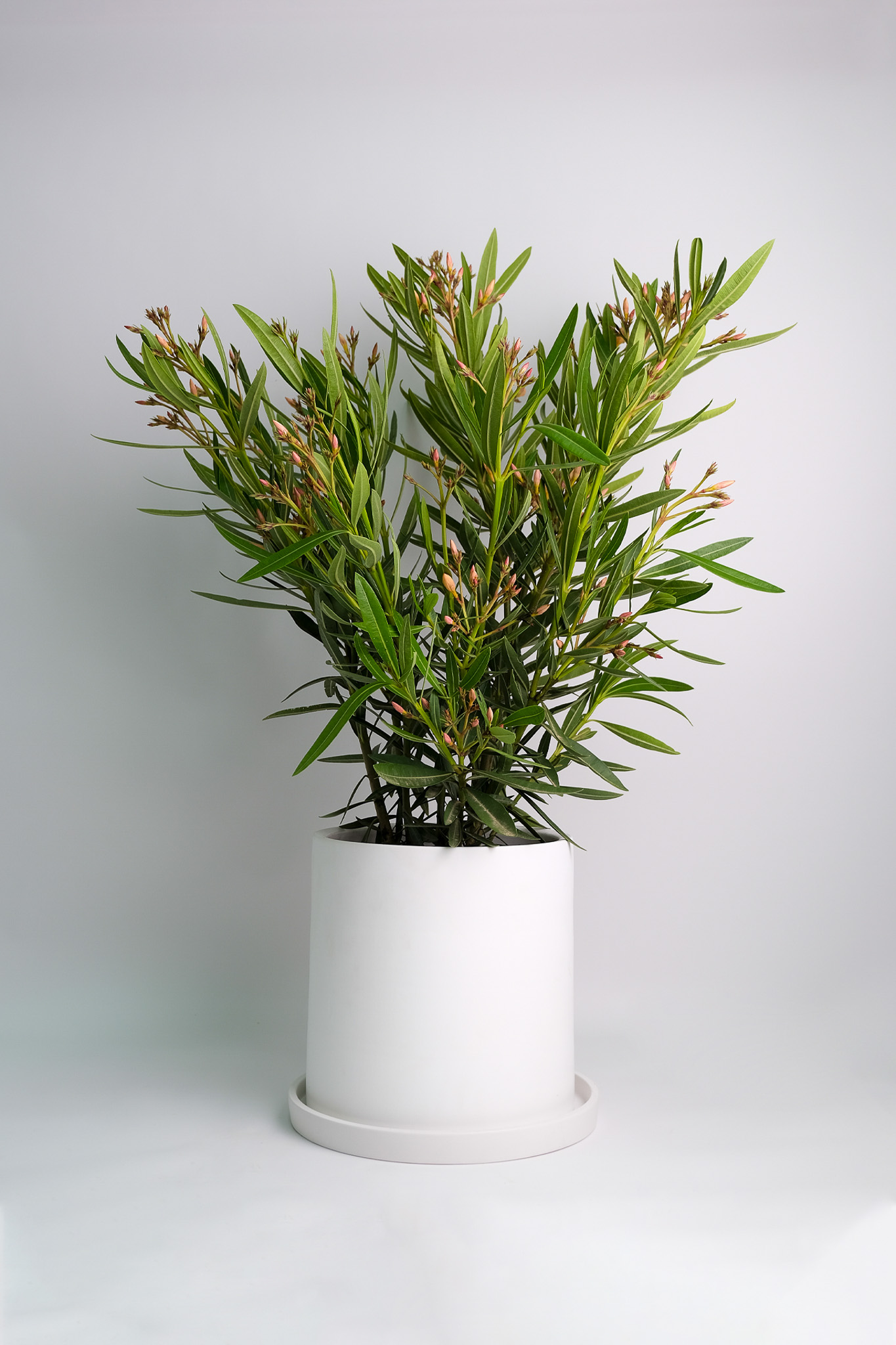
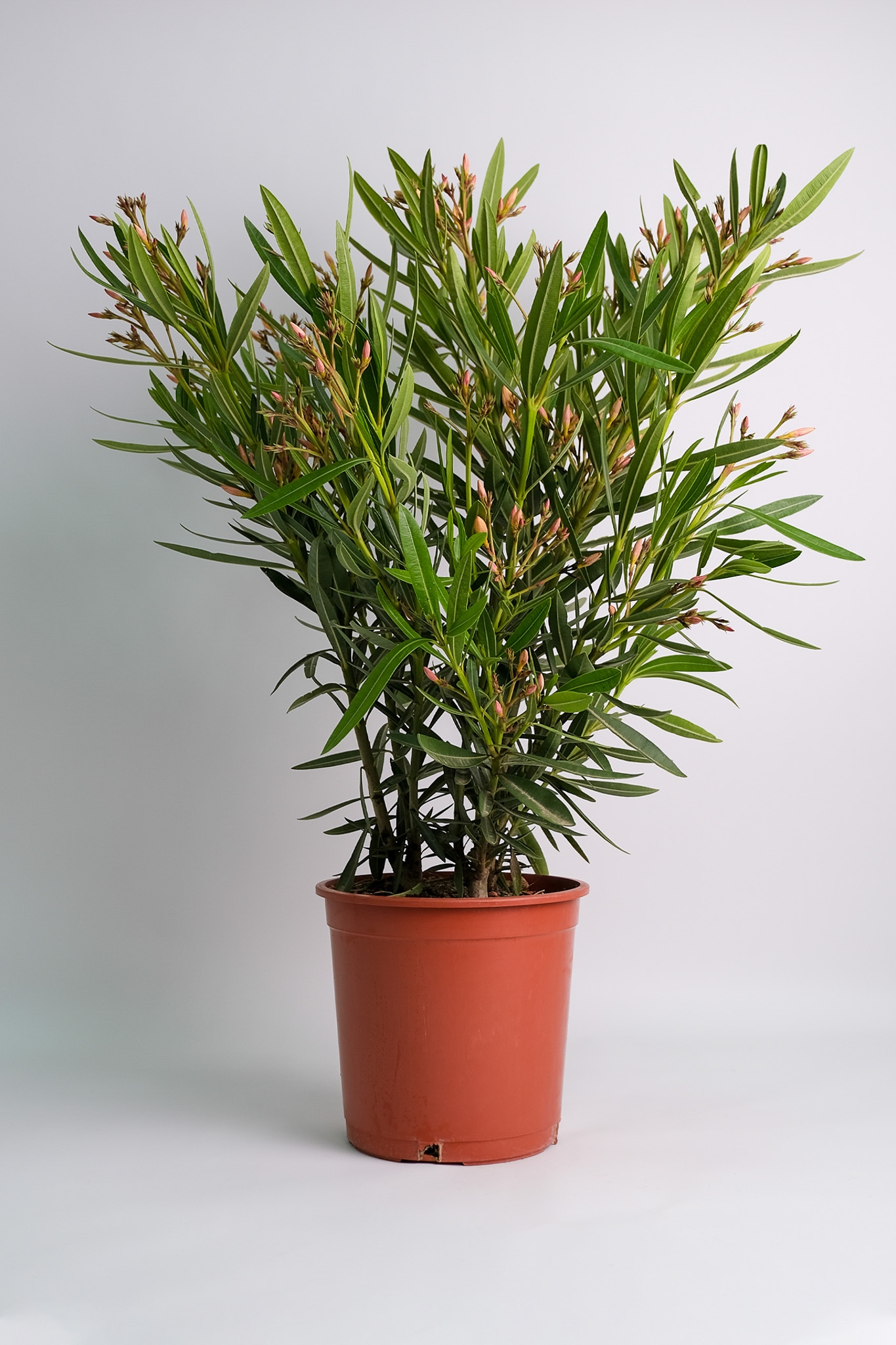
Oleander, with its spectacular flowers and deep green foliage, is ideal for sunny gardens and patios. It prefers fertile, well-drained soils and should be watered regularly but not excessively. It is sensitive to cold, so protect it in the cold season. Annual pruning helps maintain the plant’s health and beauty. Visit the Plant Library for care tips.
The plant is offered in a simple factory pot.
We recommend and with a great pleasure will help you to choose a new and suitable one.
Related products
The plant comes in a basic nursery pot.
We are happy to suggest and help you choose a new and appropriate one.
From aromatherapy to floral arrangements, there are many ways to enjoy eucalyptus. Eucalyptus plants thrive indoors as decorative shrubs with aromatic, fragrant leaves. They are not overly demanding, but a few guidelines will ensure optimum care.
Plant the eucalyptus in a large, conical pot for easy transplanting outdoors. Although resistant to drought, potted eucalyptus will dry out more quickly than in the garden. Be sure to water thoroughly until excess water drains away; good drainage is essential as eucalyptus does not tolerate waterlogged soil.
If you’re growing eucalyptus indoors, place the pot near a south-facing window so it gets plenty of sunlight. Regular pruning is necessary due to its rapid growth.
The plant comes in a basic nursery pot.
We are happy to suggest and help you choose a new and appropriate one.
Originating from the Mediterranean countries, this myrtle tree is like a little vacation on the southern coastline. It doesn’t require a sophisticated diet but loves bright spots. Hailing from the Mediterranean and North Africa, it has been cherished as an indoor plant since ancient times. Visit the Plant Library for care tips.
The plant comes in a basic nursery pot.
We are happy to suggest and help you choose a new and appropriate one.
Calla, also known as the Ethiopian Lily, is an exotic-looking plant with elegant horn-shaped flowers. This plant prefers indirect light and moderate temperatures, and to keep it healthy, make sure the soil stays slightly moist, but avoid stagnant water in the pot.
The plant is offered in a simple factory pot.
We recommend and with a great pleasure will help you to choose a new and suitable one.
Hoya Kerrii, commonly known as the Sweetheart Hoya or Valentine Hoya, is native to Southeast Asia, particularly in Thailand and parts of China. This unique vining succulent is trendy each year around Valentine’s Day.
Not only it is adorable, but produces trailing woody vines that are delightfully easy to grow, low maintenance, and slow-growing. Give it indirect light, and moderate watering and protect it from low temperatures.
The plant comes in a basic nursery pot.
We are happy to suggest and help you choose a new and appropriate one.
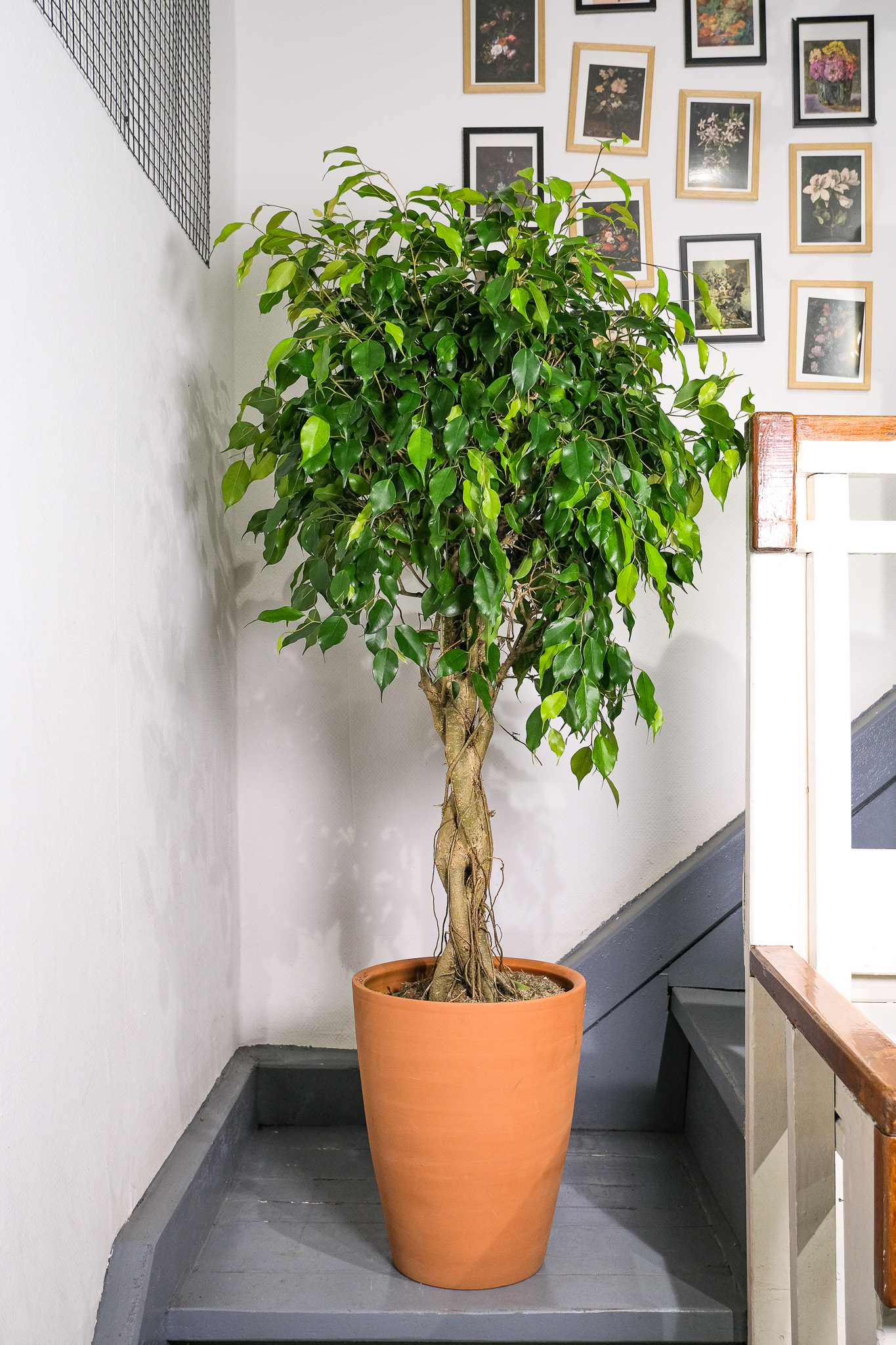
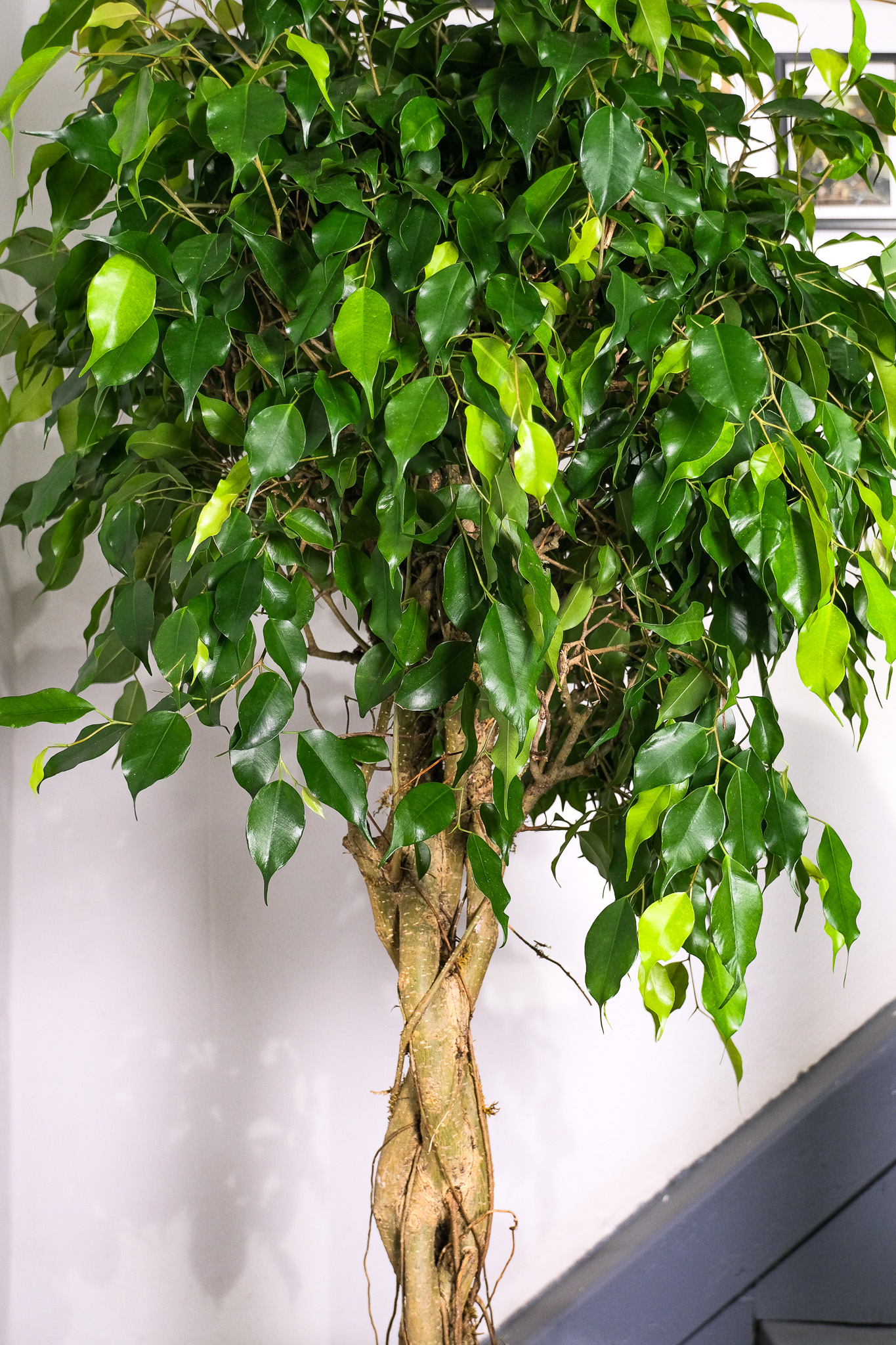
Ficus Be Exotica Twisted looks as if it’s just completed a perfect Pilates session. With its artistically twisted trunk and mirror-like green leaves, it effortlessly transforms your home into a tropical scene. It needs light and a bit of water, but you can rely on it to remain elegantly calm, like a true yogi. Visit the Plant Library for care tips.
The plant comes in a basic nursery pot.
We are happy to suggest and help you choose a new and appropriate one.
The Schefflera plant, Schefflera Arboricola, native to South Asia and parts of Australia, is often called the umbrella plant, and for good reason. The five to seven leaflets that make up each long-stalked leaf resemble umbrellas.
The foliage will keep its healthy, glossy appearance if you spray it daily with water at room temperature. Being a medium light lover, placing it in strong direct sunlight will burn its leaves. It will also not do well in areas of extreme light deficiency and is best placed near a window – even a north-facing one. Yellowing and drooping leaves are probably a sign that the plant is overheating. Leave the soil to dry out longer between waterings. Brown, dry leaves – may be caused by underwatering.
To control the height of the plant and increase its bushy appearance, cut back any overhanging branches in spring. Don’t cut more than 30% of the plant as this can cause shock. It is considered poisonous to humans and pets. The sap in the leaves can cause mild skin irritation.
The plant comes in a basic nursery pot.
We are happy to suggest and help you choose a new and appropriate one.
Over the past few years, the Ficus Lyrata has been creating waves of admiration around the world. Thanks to its numerous appearances in popular design magazines, blogs and social media, it has been catapulted to superstar status in the plant world.
Any plant is a positive addition to your living or working space, but some plants have a much richer visual impact. Take Ficus Lyrata, for example. This plant is almost a work of art in itself. You can’t miss its violin-shaped leaves, crisscrossed with distinct, pale veins that add texture. The best part is that as the leaves grow larger, they become even more impressive.
Don’t worry if it loses a leaf or two after delivery – it needs time to adapt to its new home. It’s perfectly normal. It may also shed a few leaves in winter, and while it is small, the Ficus can live temporarily on shelves. Once it has grown, it will be placed on the floor because of its larger size.
The plant comes in a basic nursery pot.
We are happy to suggest and help you choose a new and appropriate one.
A terrarium with sand and succulents is like a slice of desert captured under glass—minimalist yet full of life. It’s the kind of décor that brings a touch of nature right onto your living room or office shelf, without demanding much attention. Succulent plants are like seasoned travellers—they can survive weeks without water and won’t be a bother. The perfect gift for someone who wants a bit of nature without the fuss! Discover their preferred conditions in the Plant Library.
Cycas palms, native to Japan and southern China, are true living fossils, having existed since before the dinosaurs. Their curved, rigid fronds seem as if they’ve been plucked from a scene in Jurassic Park. Although they resemble palm trees, they are actually cycads—a fascinating prehistoric species. They grow extremely slowly, adding only a few centimetres per year. It’s a plant that knows how to live grandly yet with minimal fuss. Learn how to care for it in the Plant Library.
The plant comes in a basic nursery pot.
We are happy to suggest and help you choose a new and appropriate one.
Asparagus plumosa or asparagus fern is neither fern nor asparagus, although it looks similar and is closely related to the common edible garden asparagus. Its presence in the house brings a “forest” vibe and it really likes hanging in baskets on the terrace or balcony during the summer.
Indoors, the key to a robust asparagus fern is to keep the plant well-watered, bushy and dense so that the lace-like foliage forms an attractive mound.
The plant comes in a basic nursery pot.
We are happy to suggest and help you choose a new and appropriate one.