Euphorbia Eritrea
3.000 MDL
Watch out for thorns!
The Euphorbia Eritrea comes all the way from the warm corners of Africa, where it recharges its batteries in the scorching sun.
It looks like it’s just made an appearance at a Cannes gala, making a dramatic impression in any corner of the house.
This succulent beauty is an example of care efficiency: less water and more sun.
See what conditions it prefers in Plant Library.
The plant is offered in a simple factory pot.We recommend and gladly choose a new and suitable one.
Out of stock
Related products
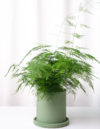
Asparagus plumosa or asparagus fern is neither fern nor asparagus, although it looks similar and is closely related to the common edible garden asparagus. Its presence in the house brings a “forest” vibe and it really likes hanging in baskets on the terrace or balcony during the summer.
Indoors, the key to a robust asparagus fern is to keep the plant well-watered, bushy and dense so that the lace-like foliage forms an attractive mound.
The plant comes in a basic nursery pot.
We are happy to suggest and help you choose a new and appropriate one.
Hoya Kerrii, commonly known as the Sweetheart Hoya or Valentine Hoya, is native to Southeast Asia, particularly in Thailand and parts of China. This unique vining succulent is trendy each year around Valentine’s Day.
Not only it is adorable, but produces trailing woody vines that are delightfully easy to grow, low maintenance, and slow-growing. Give it indirect light, and moderate watering and protect it from low temperatures.
The plant comes in a basic nursery pot.
We are happy to suggest and help you choose a new and appropriate one.
The plant comes in a basic nursery pot.
We are happy to suggest and help you choose a new and appropriate one.
A terrarium with sand and succulents is like a slice of desert captured under glass—minimalist yet full of life. It’s the kind of décor that brings a touch of nature right onto your living room or office shelf, without demanding much attention. Succulent plants are like seasoned travellers—they can survive weeks without water and won’t be a bother. The perfect gift for someone who wants a bit of nature without the fuss! Discover their preferred conditions in the Plant Library.
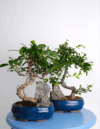
If you are looking for an entry into the ancient Japanese art of Bonsai, a great place to start is with a Ginseng Ficus. Native to Southeast Asia, it is prized for its whimsically-shaped trunk. The aerial roots of this interesting houseplant grow above the ground. The leaves are dark green, and oval shaped and grow densely, making it perfect for pruning.
To care for this guardian of balance, give it indirect light, moderate watering and regular airing to maintain its health and vitality. Your Ficus Ginseng bonsai can grow anywhere between 16-40 inches indoors and is a very forgiving houseplant, making it perfect for beginner bonsai enthusiasts.
The plant comes in a basic nursery pot.
We are happy to suggest and help you choose a new and appropriate one.
Over the past few years, the Ficus Lyrata has been creating waves of admiration around the world. Thanks to its numerous appearances in popular design magazines, blogs and social media, it has been catapulted to superstar status in the plant world.
Any plant is a positive addition to your living or working space, but some plants have a much richer visual impact. Take Ficus Lyrata, for example. This plant is almost a work of art in itself. You can’t miss its violin-shaped leaves, crisscrossed with distinct, pale veins that add texture. The best part is that as the leaves grow larger, they become even more impressive.
Don’t worry if it loses a leaf or two after delivery – it needs time to adapt to its new home. It’s perfectly normal. It may also shed a few leaves in winter, and while it is small, the Ficus can live temporarily on shelves. Once it has grown, it will be placed on the floor because of its larger size.
The plant comes in a basic nursery pot.
We are happy to suggest and help you choose a new and appropriate one.
The plant comes in a basic nursery pot.
We are happy to suggest and help you choose a new and appropriate one. s
The plant comes in a basic nursery pot.
We are happy to suggest and help you choose a new and appropriate one.
Plants often reflect the ambience of their native habitats. For a touch of Zen and Feng Shui, choose Lucky Bamboo, a plant believed to bring good fortune.
Lucky Bamboo thrives in a water-filled container, maintaining its decorative appeal over time. It’s low-maintenance: simply change the water regularly, place it in a bright spot, and there’s no need for fertilizer.
The plant does not require pots or soil. After purchase, remove the protective cover and place the plant in any container filled with water.
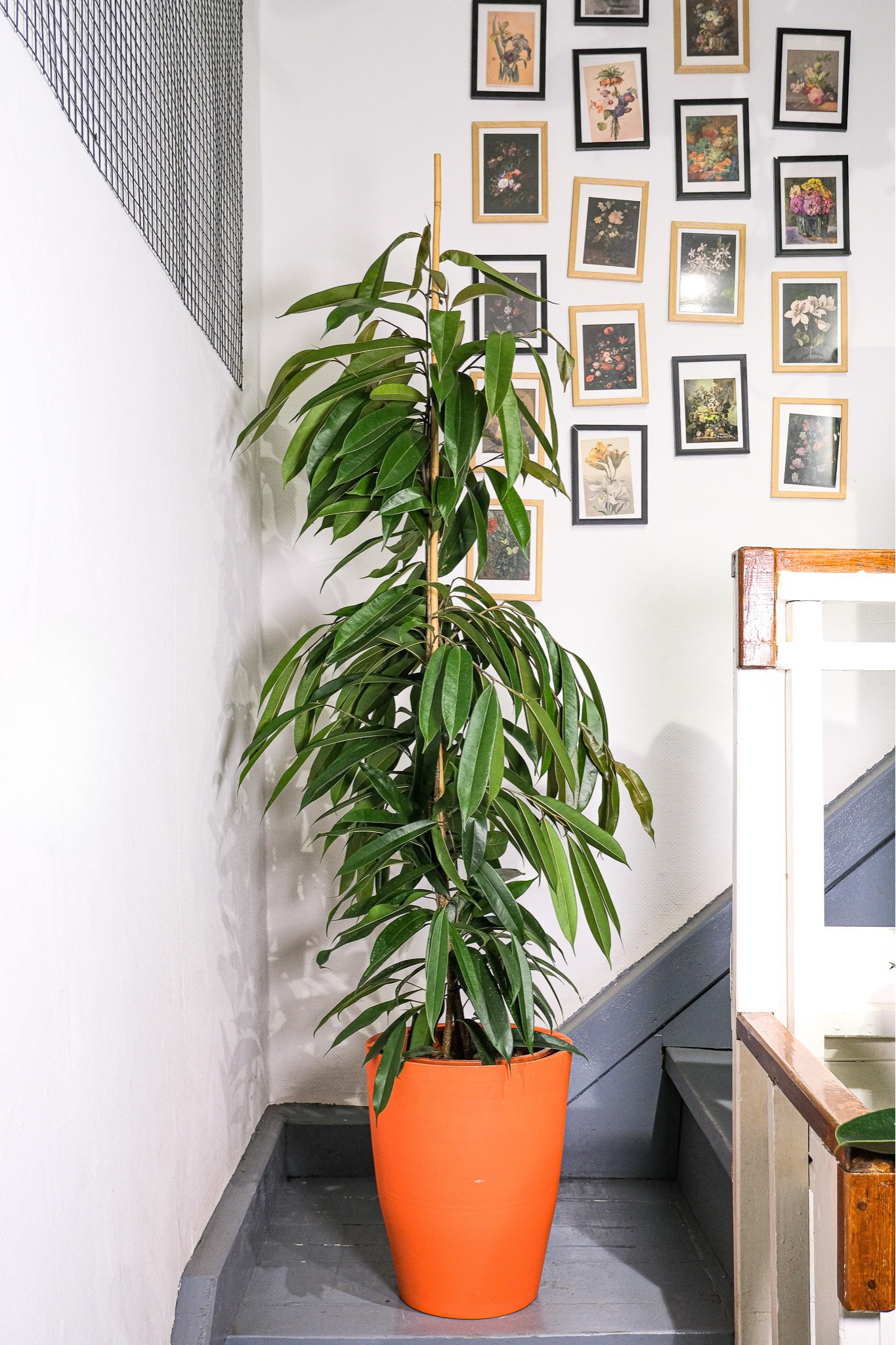
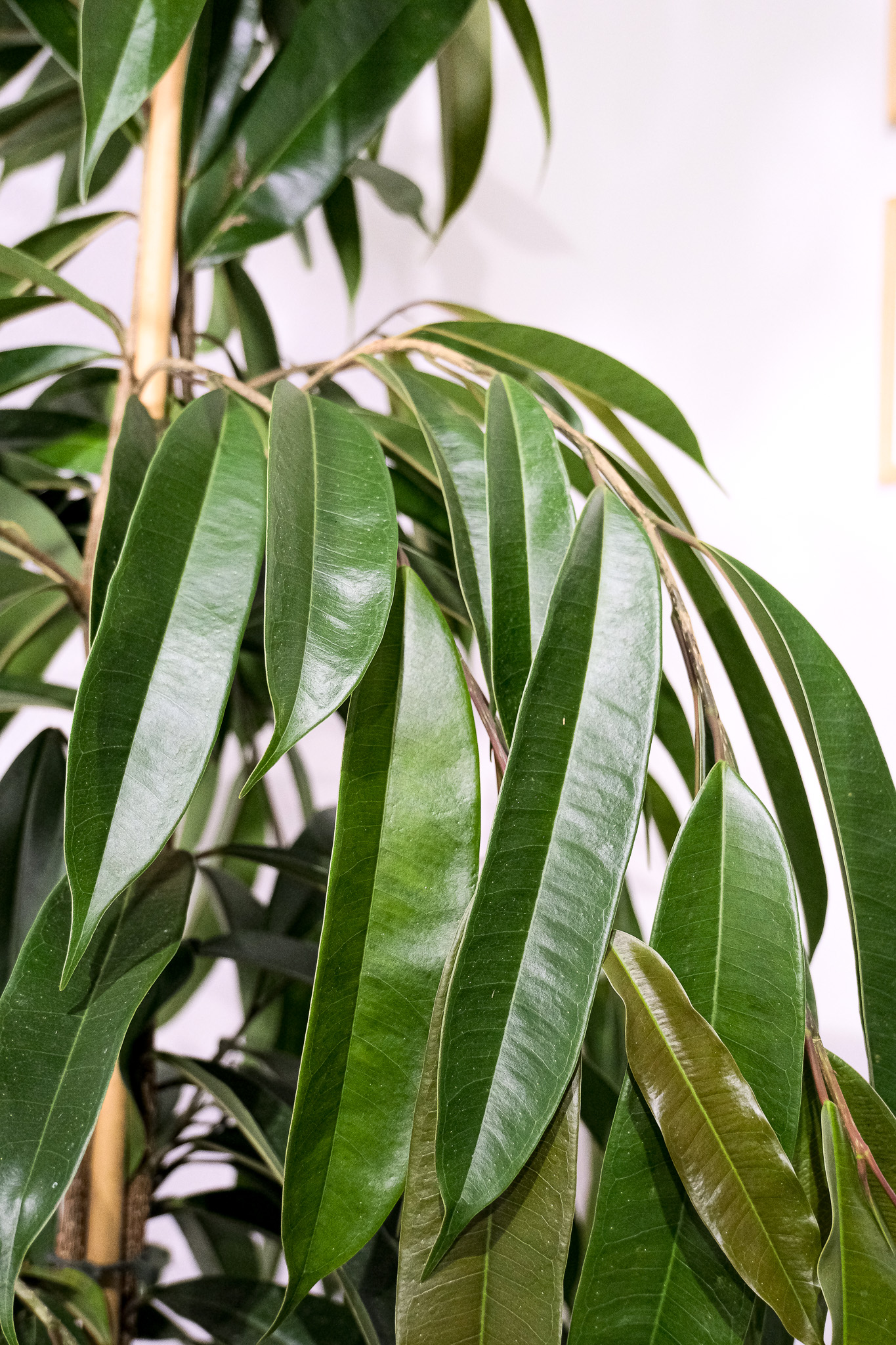
Thanks to its glossy appearance, the ficus spreads an unmistakable feeling of well-being, especially if you position it as it likes: in a bright place, but away from direct sunlight. In its natural habitat, it can reach up to 30 metres in height. Don’t worry, you won’t have to drill a hole in the roof, as as a houseplant it usually reaches 2-3 metres. How to care for it, find out in Plant Library.
The plant is offered in a simple factory pot.We recommend and gladly choose a new and suitable one.
If you want to create a tropical holiday atmosphere in your home, you can’t beat the areca palm, with its elegantly arched leaves.
The Areca Palm, also known by its Latin name Dypsis Lutescens, is native to Madagascar. It is a fabulous houseplant, often grown for its dramatic tropical effect. It’s particularly good at making a visual impact wherever it’s placed. This makes it popular with plant lovers and interior designers.
With smooth, bamboo-like stems and full but narrow leaves, this green beauty needs plenty of room to spread out. We recommend placing it in a spacious area such as a reception, kitchen, hallway or living room. If you have plenty of light in your bedroom it would also work well there.
The plant comes in a basic nursery pot.
We are happy to suggest and help you choose a new and appropriate one.