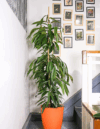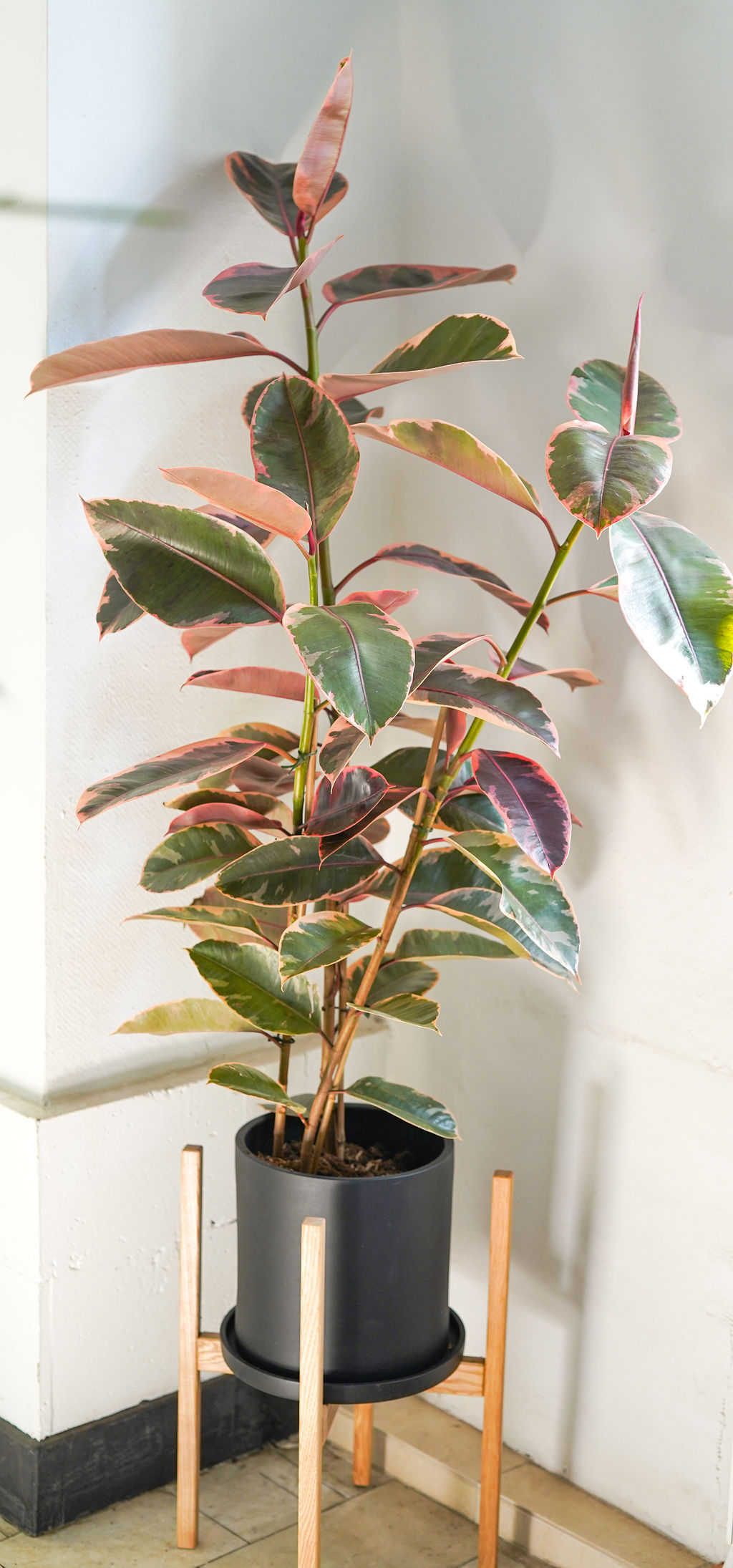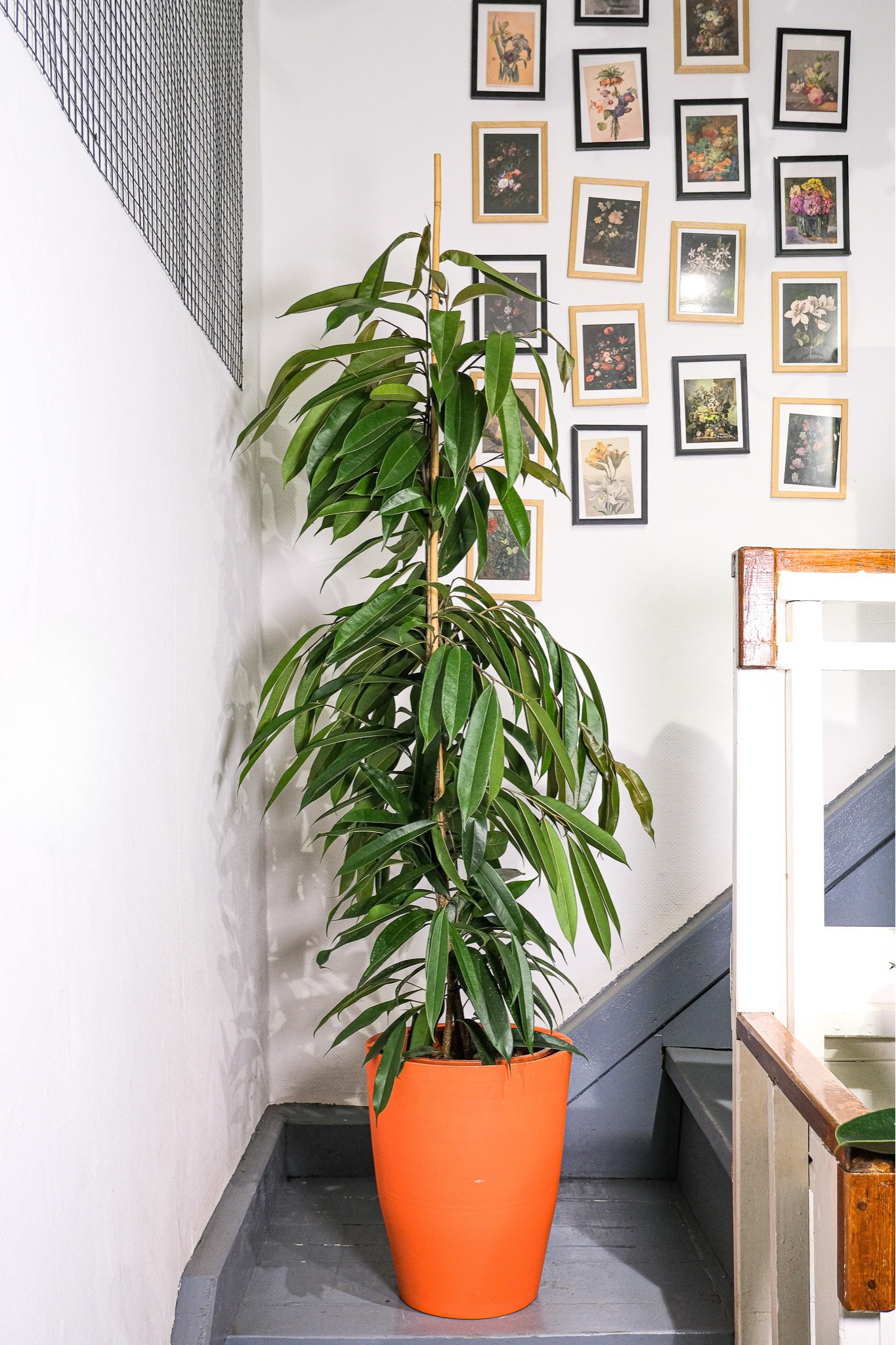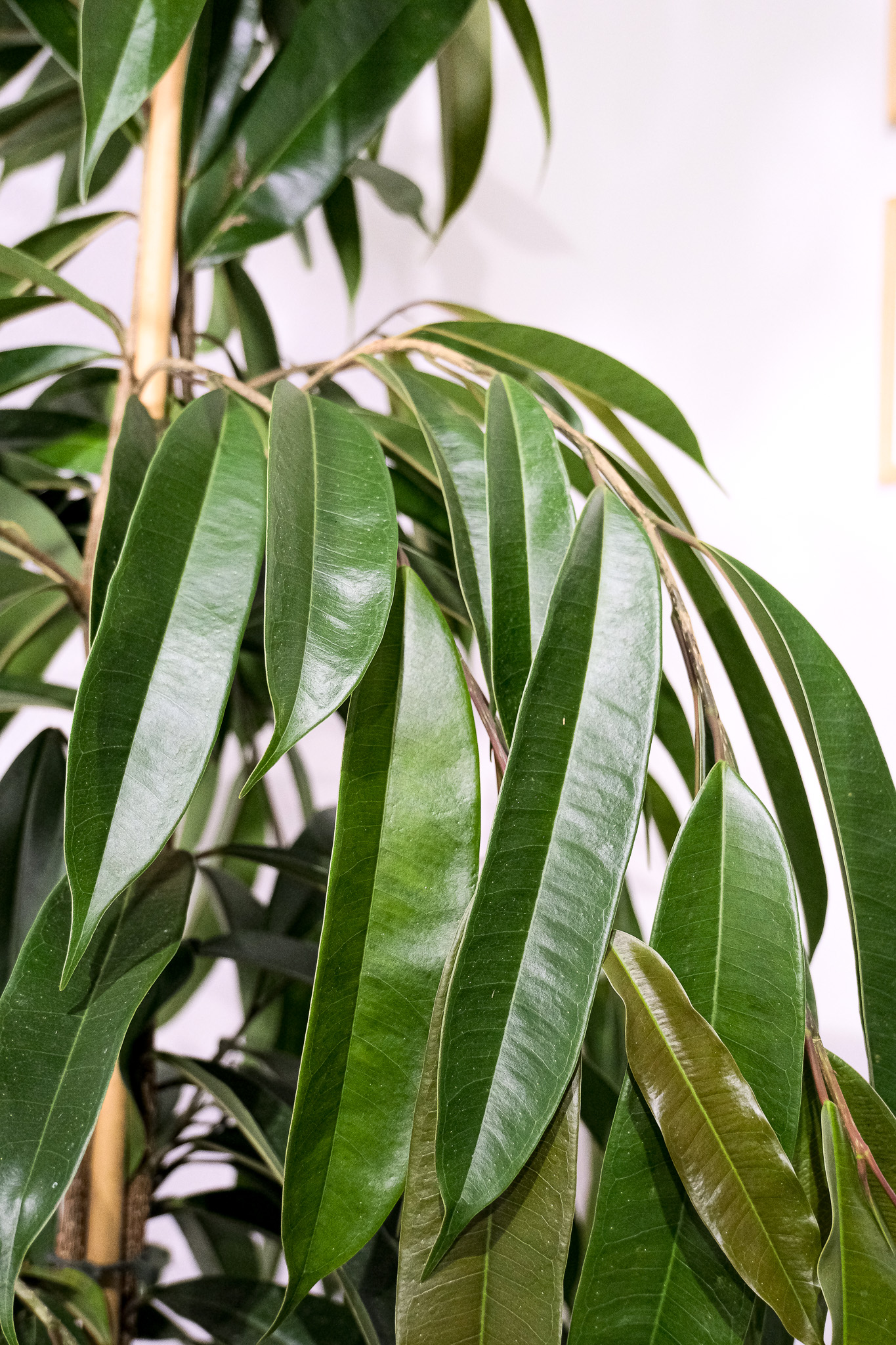
Ficus Belize
from 450 MDL
Thanks to its glossy appearance, the ficus spreads an unmistakable feeling of well-being, especially if you position it as it likes: in a bright place, but away from direct sunlight. In its natural habitat, it can reach up to 30 metres in height. Don’t worry, you won’t have to drill a hole in the roof, as as a houseplant it usually reaches 2-3 metres. How to care for it, find out in Plant Library.
The plant is offered in a simple factory pot.We recommend and gladly choose a new and suitable one.
Related products
The Boston fern is one of the easiest ferns to care for, which has made it a popular houseplant for decades. It is not difficult to look after, but it does require some special care. The most important thing is to give it the ideal growing conditions: standard room temperature (13-24°C), plenty of humidity and indirect light. If the humidity is too low, the leaves will turn yellow. Another important aspect is the soil. It must be kept moist as one of the main reasons why the plant may not survive is dry soil.
A popular display is a hanging basket. Arranged in this way, the leaves of the plant will arch towards the basket, giving the appearance of floating in the air. Boston ferns are not considered toxic to pets or children. In a pot or hanging from a modern macrame hanger, the Boston Fern is a wonderful addition to the kitchen or bathroom.
The plant comes in a basic nursery pot.
We are happy to suggest and help you choose a new and appropriate one.
A collection of carefully selected plants for the fluffiest and most playful of companions. In addition to their attractive appearance, these plants are safe for children and pets, even in the event of accidental nibbling. This set contains the following small plants: Banana, Strelitzia, Calathea and Fern.
*Enjoy free transplanting and delivery with this purchase. Choose between clay or plastic pots for your set.
*You save more when you buy a plant set. Additional discounts cannot be applied.
Over the past few years, the Ficus Lyrata has been creating waves of admiration around the world. Thanks to its numerous appearances in popular design magazines, blogs and social media, it has been catapulted to superstar status in the plant world.
Any plant is a positive addition to your living or working space, but some plants have a much richer visual impact. Take Ficus Lyrata, for example. This plant is almost a work of art in itself. You can’t miss its violin-shaped leaves, crisscrossed with distinct, pale veins that add texture. The best part is that as the leaves grow larger, they become even more impressive.
Don’t worry if it loses a leaf or two after delivery – it needs time to adapt to its new home. It’s perfectly normal. It may also shed a few leaves in winter, and while it is small, the Ficus can live temporarily on shelves. Once it has grown, it will be placed on the floor because of its larger size.
The plant comes in a basic nursery pot.
We are happy to suggest and help you choose a new and appropriate one.
Asparagus plumosa or asparagus fern is neither fern nor asparagus, although it looks similar and is closely related to the common edible garden asparagus. Its presence in the house brings a “forest” vibe and it really likes hanging in baskets on the terrace or balcony during the summer.
Indoors, the key to a robust asparagus fern is to keep the plant well-watered, bushy and dense so that the lace-like foliage forms an attractive mound.
The plant comes in a basic nursery pot.
We are happy to suggest and help you choose a new and appropriate one.
We have to admit it: bushy or prickly, with round or lobed leaves, succulents are incredibly popular. In some homes, you can find impressive collections or creative arrangements. The range of colours and textures is a feast for the eyes.
Succulents are a real blessing when we travel a lot, are too busy or simply forget to water them. This is very important! The leaves, stems and roots of succulents are thick and fleshy, which allows them to store water and withstand harsher conditions with such stoicism. In short, loyal plants!
In warm weather, water more generously if you notice that the soil in the pot has dried out. In late autumn or winter, water less frequently, once a month. Overwatering and waterlogged soil are the most common causes of loss.
Fun fact: the only continent without native succulents is Antarctica.
The plant comes in a basic nursery pot.
We are happy to suggest and help you choose a new and appropriate one.
The plant comes in a basic nursery pot.
We are happy to suggest and help you choose a new and appropriate one.
English ivy (Hedera helix variegata) is one of the most common ivy species and the most widely grown. It is very easy to grow, both in pots and as an ornamental outdoor plant. You’ve probably noticed it on the outside of buildings and houses that look like entrances to a secret botanical world.
Potted ivy requires much less water. Before watering, check the consistency of the substrate, which should be loose but dry on the surface. Be careful not to overwater. For optimal lighting, position the plant near a window to ensure it receives abundant light without direct exposure. Poor lighting can reduce the number of leaves and cause them to discolour.
Indoors, it can be placed on a shelf or taller plant stand to allow it to create that eye-catching cascade of creamy white variegated green leaves. It tends to grow vigorously, providing quick results for those who want to transform their room or garden in a short space of time.
The plant comes in a basic nursery pot.
We are happy to suggest and help you choose a new and appropriate one.
The plant comes in a basic nursery pot.
We are happy to suggest and help you choose a new and appropriate one.
Hoya Kerrii, commonly known as the Sweetheart Hoya or Valentine Hoya, is native to Southeast Asia, particularly in Thailand and parts of China. This unique vining succulent is trendy each year around Valentine’s Day.
Not only it is adorable, but produces trailing woody vines that are delightfully easy to grow, low maintenance, and slow-growing. Give it indirect light, and moderate watering and protect it from low temperatures.
The plant comes in a basic nursery pot.
We are happy to suggest and help you choose a new and appropriate one.
Originating from the Mediterranean countries, this myrtle tree is like a little vacation on the southern coastline. It doesn’t require a sophisticated diet but loves bright spots. Hailing from the Mediterranean and North Africa, it has been cherished as an indoor plant since ancient times. Visit the Plant Library for care tips.
The plant comes in a basic nursery pot.
We are happy to suggest and help you choose a new and appropriate one.
The plant comes in a basic nursery pot.
We are happy to suggest and help you choose a new and appropriate one. s