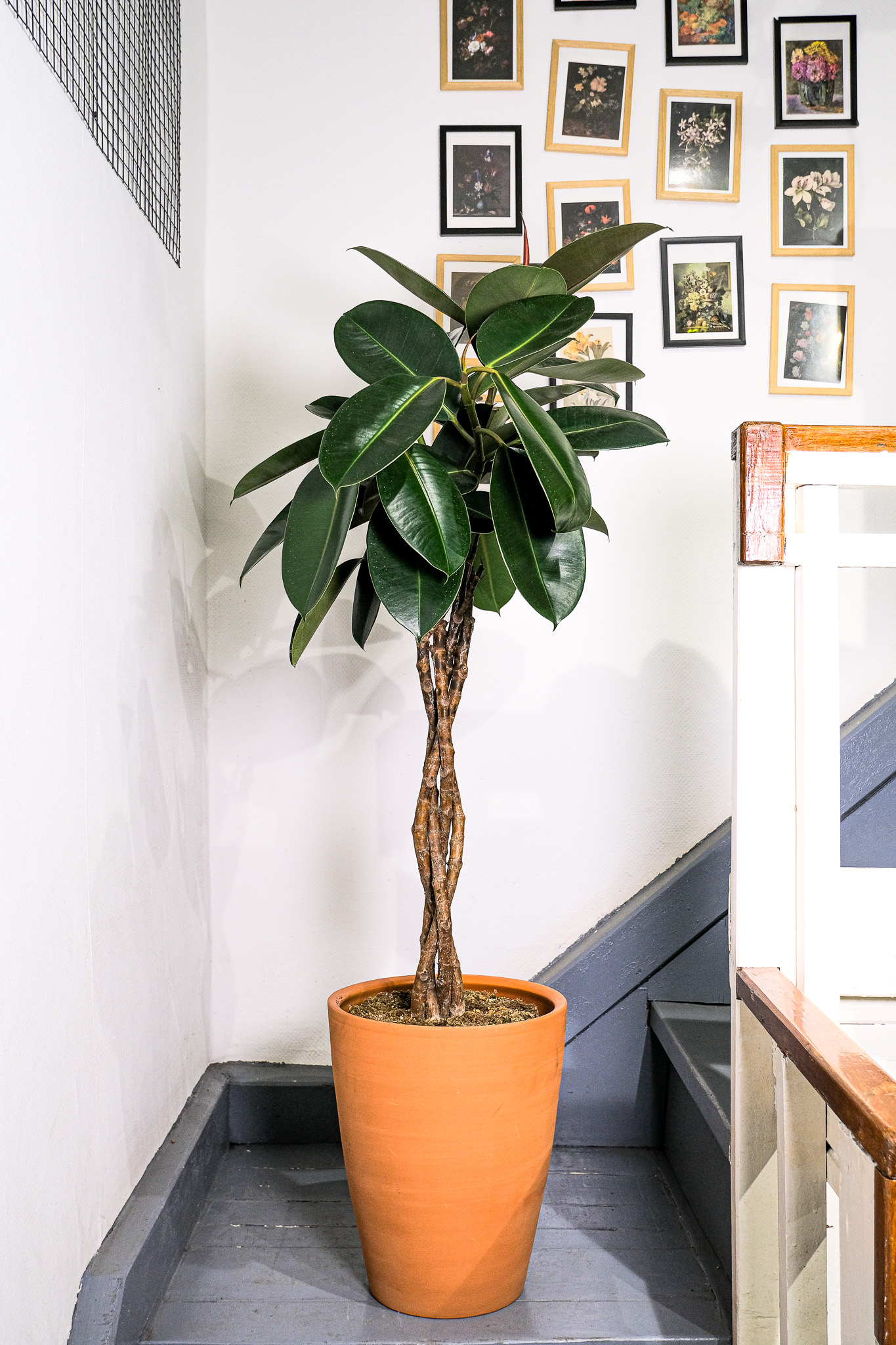
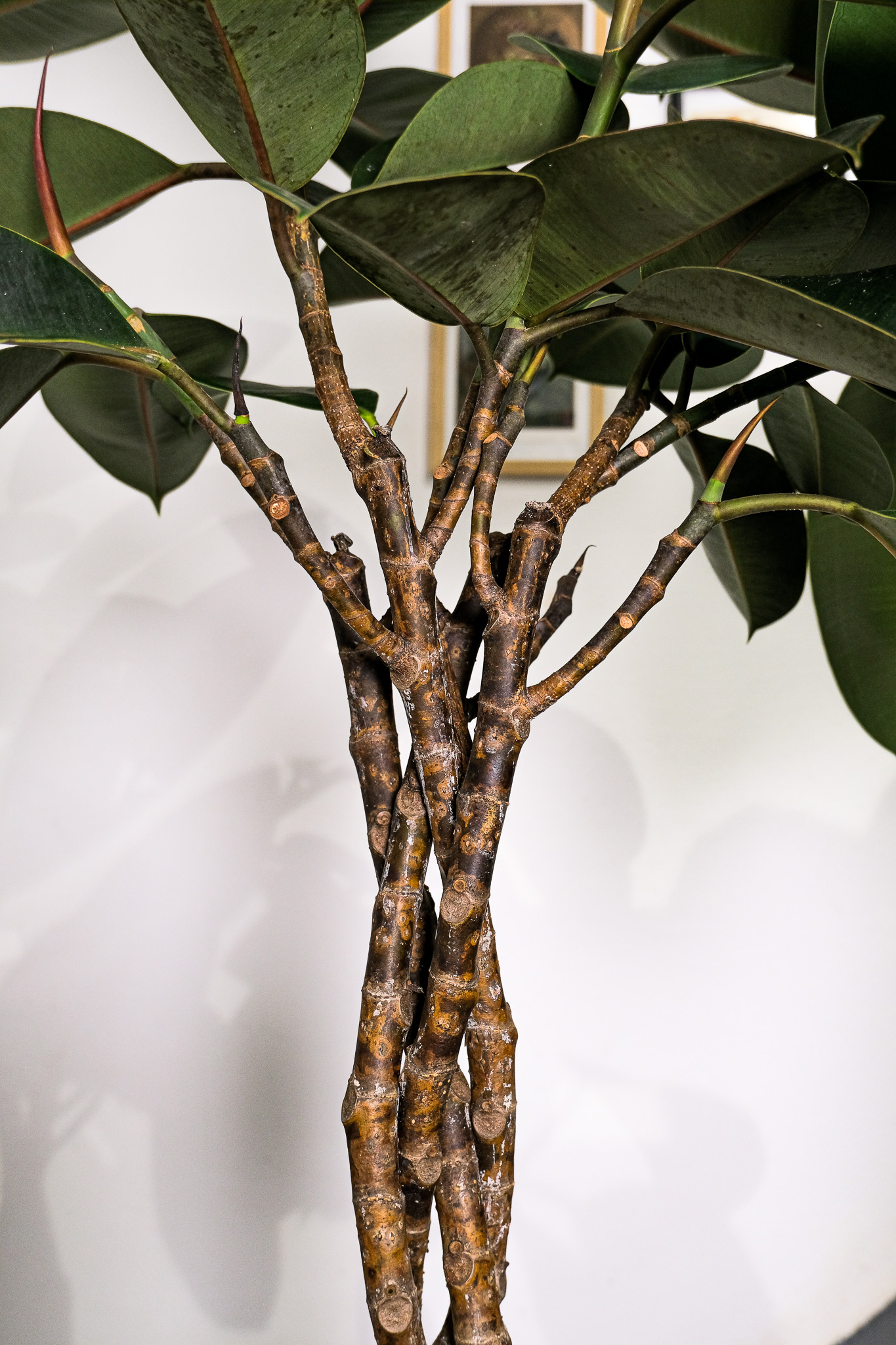
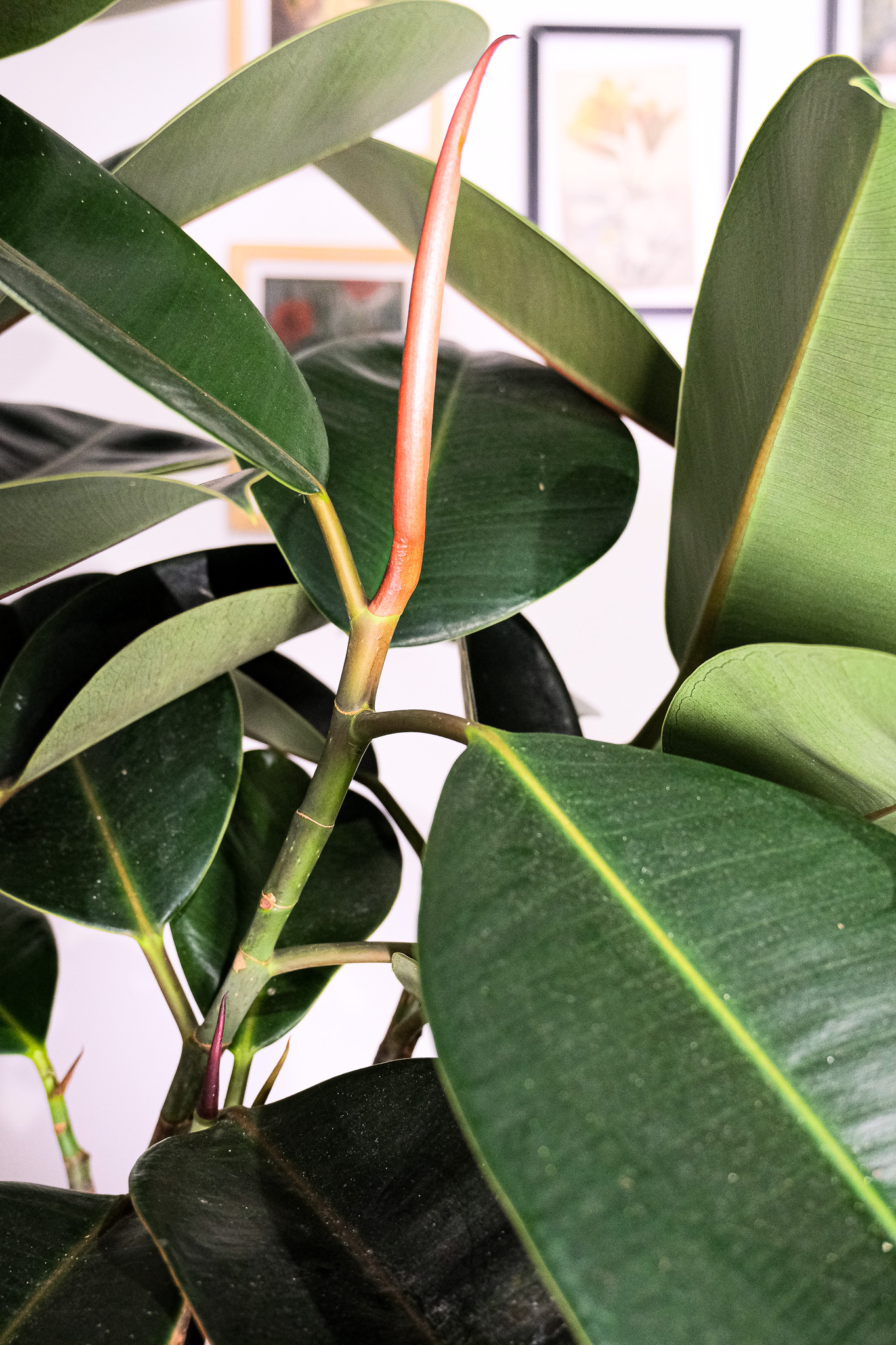
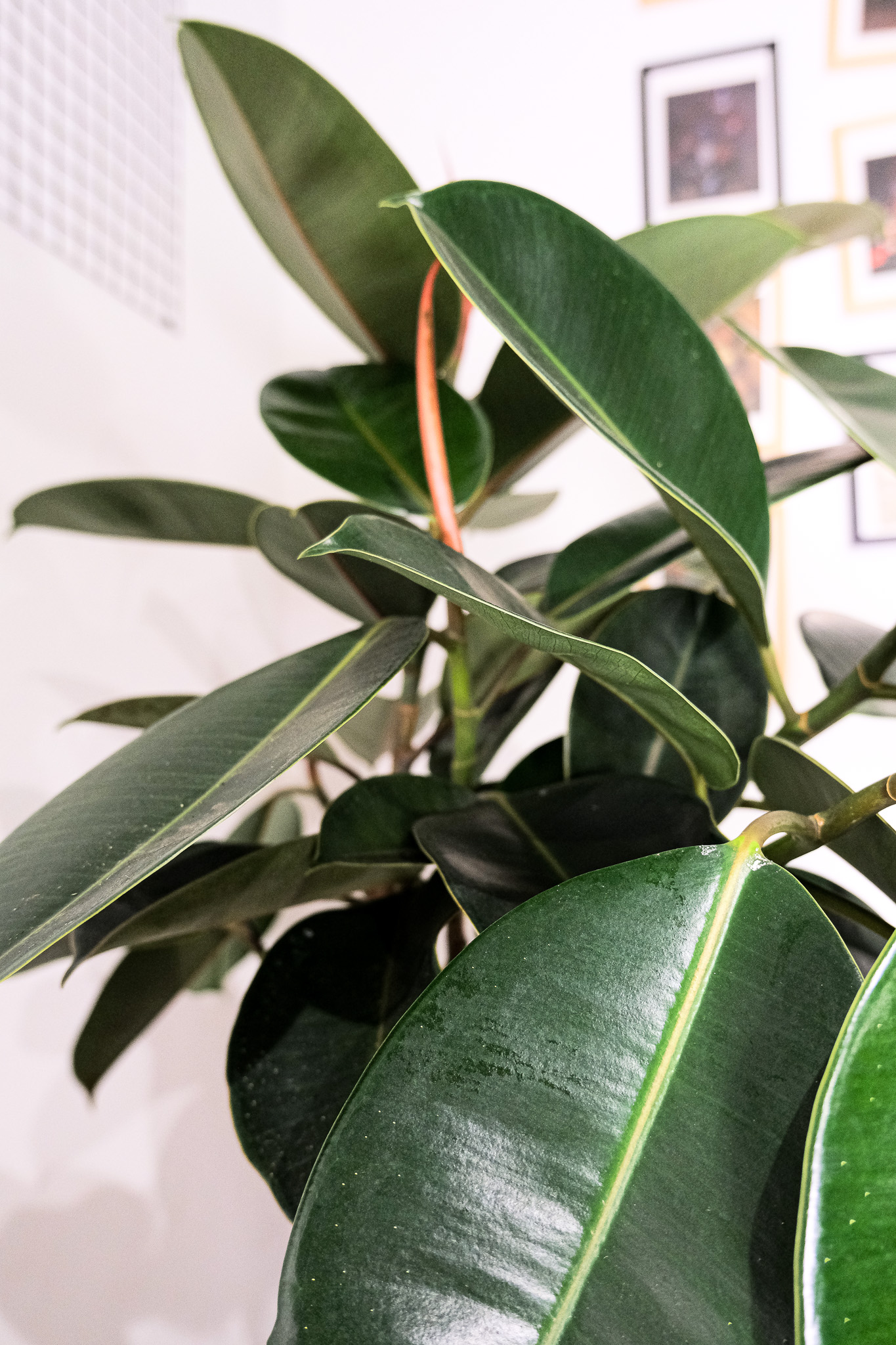
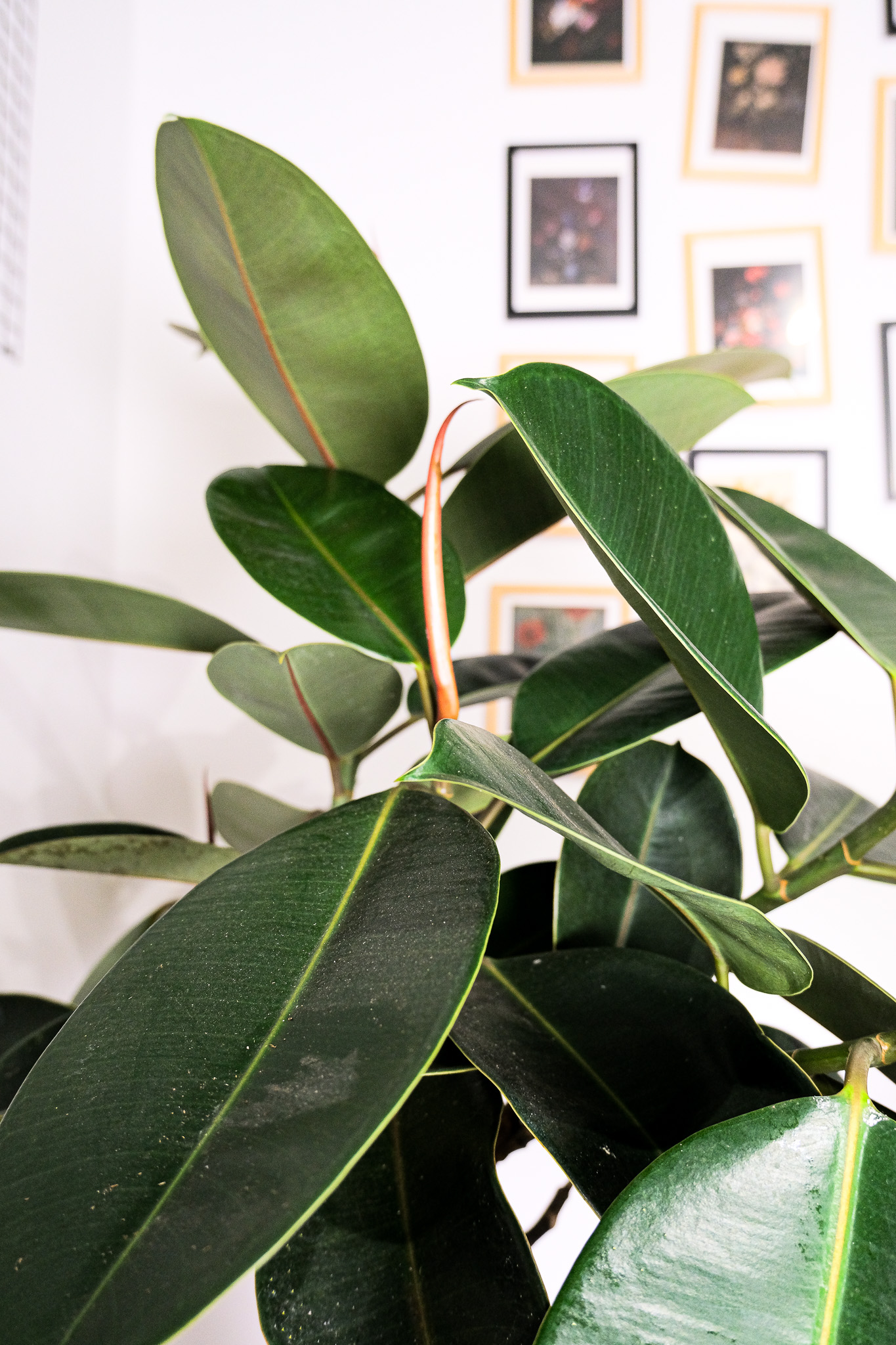
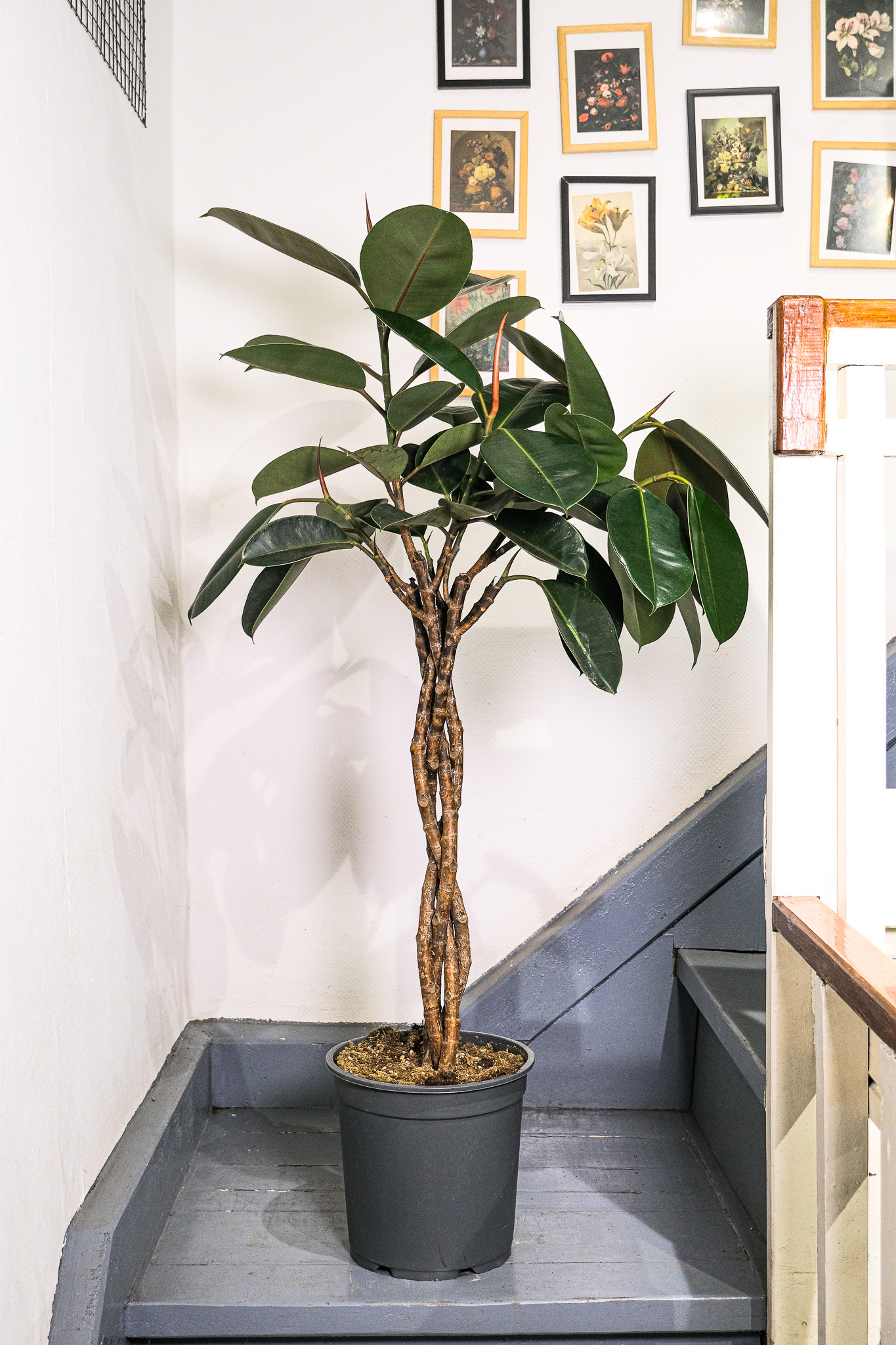
Ficus Burgundy on Stem
3.500 MDL
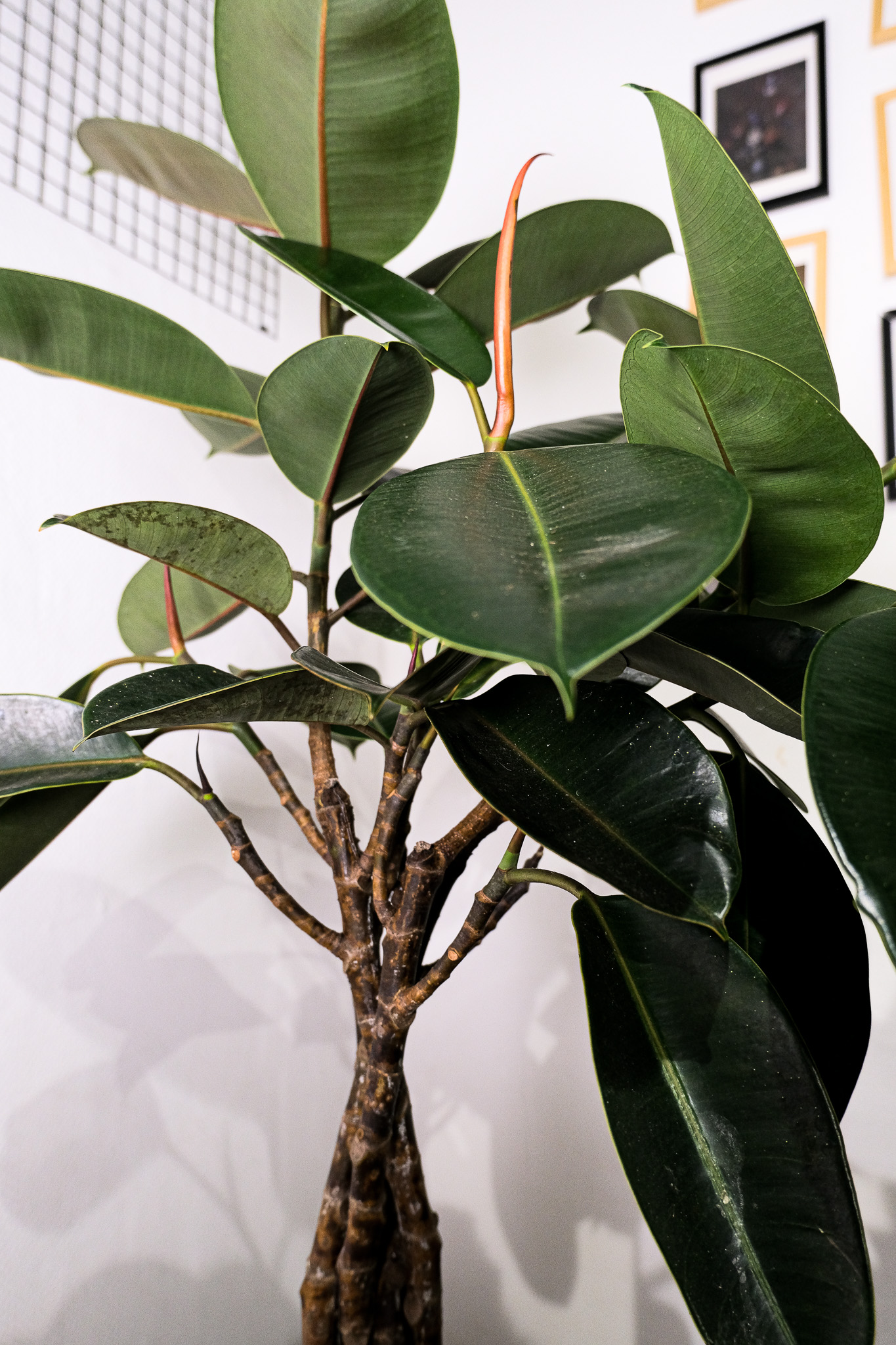
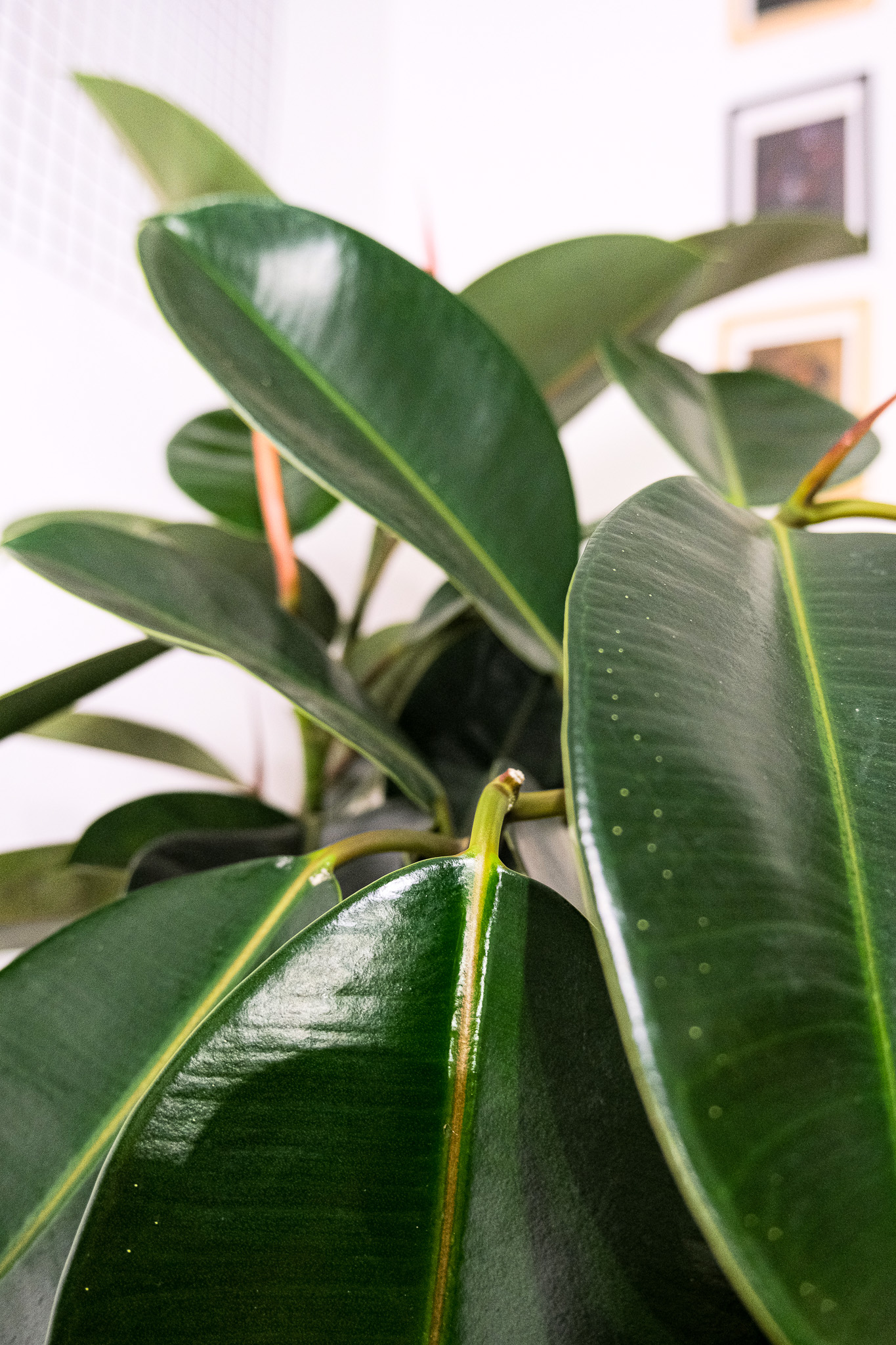
Datorită frunzelor sale mari și lucioase, Ficus Burgundy adaugă un aer sofisticat oricărui spațiu. Îi place lumina, dar fără expunere directă la soare, iar frunzele sale au capacitatea de a purifica aerul. În mediul natural, poate crește impresionant de înalt, însă în interior atinge, de obicei, 1,5-2 metri. Dacă vrei să-l vezi crescând sănătos și fericit, găsești toate sfaturile de îngrijire în Biblioteca de Plante.
Planta se oferă în ghiveci simplu de fabrică.
Recomandăm și cu mare plăcere alegem unul nou și potrivit.
Related products
The Schefflera plant, Schefflera Arboricola, native to South Asia and parts of Australia, is often called the umbrella plant, and for good reason. The five to seven leaflets that make up each long-stalked leaf resemble umbrellas.
The foliage will keep its healthy, glossy appearance if you spray it daily with water at room temperature. Being a medium light lover, placing it in strong direct sunlight will burn its leaves. It will also not do well in areas of extreme light deficiency and is best placed near a window – even a north-facing one. Yellowing and drooping leaves are probably a sign that the plant is overheating. Leave the soil to dry out longer between waterings. Brown, dry leaves – may be caused by underwatering.
To control the height of the plant and increase its bushy appearance, cut back any overhanging branches in spring. Don’t cut more than 30% of the plant as this can cause shock. It is considered poisonous to humans and pets. The sap in the leaves can cause mild skin irritation.
The plant comes in a basic nursery pot.
We are happy to suggest and help you choose a new and appropriate one.
Thanks to its glossy appearance, the ficus spreads an unmistakable feeling of well-being, especially if you position it as it likes: in a bright place, but away from direct sunlight. In its natural habitat, it can reach up to 30 metres in height. Don’t worry, you won’t have to drill a hole in the roof, as as a houseplant it usually reaches 2-3 metres. How to care for it, find out in Plant Library.
The plant is offered in a simple factory pot.We recommend and gladly choose a new and suitable one.
The plant comes in a basic nursery pot.
We are happy to suggest and help you choose a new and appropriate one. s
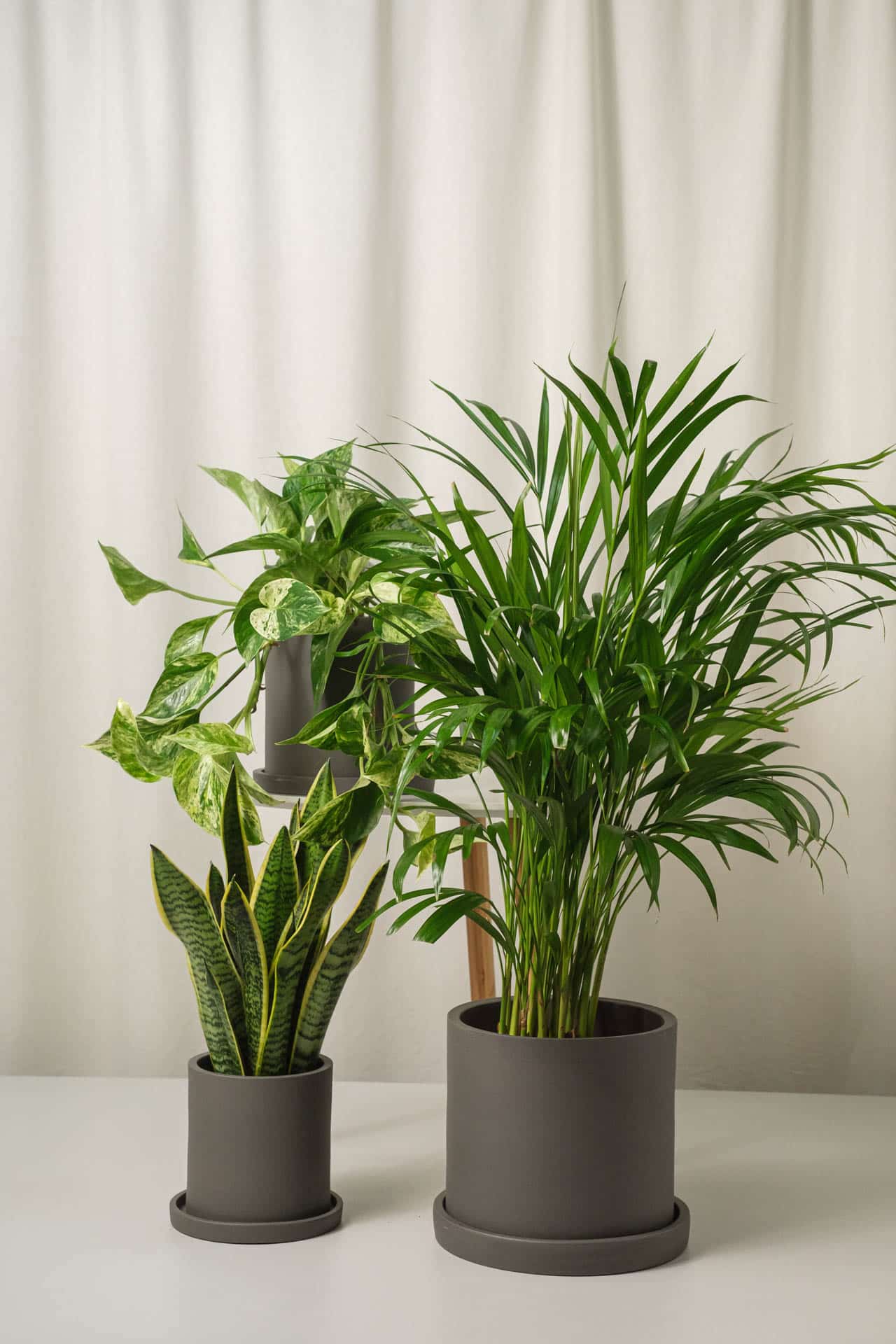
These plants are known to be masters at removing toxins and purifying the air. Place them in your living room, hallway or on your desk and you will feel the difference in your concentration and mood. The set contains three popular air purifying herbs:
Snake, Scindapsus, Dypsis.
*Free transplanting and delivery. The set is sold with a choice of clay or plastic pots.
* You save when you buy a set of plants. Additional discounts cannot be applied.
Calathea is a plant that presents you with many challenges if you want to keep it radiant. That look of tropical beauty that you fall in love with when you see it takes a lot of care to maintain.
It is a perennial plant that lives in the forests of Bolivia, and its tropical nature suggests that it likes the soil to be moist and never completely dry. Calathea requires high humidity and constant soil moisture. In other words, give it jungle-like conditions and you’ll both be happy.
If you look at the plant and it seems changed, it’s probably not just your imagination. Its leaves are very lively and move throughout the day. Calathea is guaranteed to add a dramatic touch to your plant collection, as it is in high demand.
The plant is offered in simple factory pots.
We recommend and with a great pleasure will help you to choose a new and suitable one.
Croton Mrs Iceton is a plant that knows how to make an entrance: in shades of green, red and yellow, it looks like the cover of a gardening magazine! Native to the tropical islands of the Pacific, this beauty isn’t afraid of sunlight – in fact, it loves to shine. It’s easy to care for, but it has one little quirk: it doesn’t like to be left in water. Learn more in the Plant Library.
The plant comes in a basic nursery pot.
We are happy to suggest and help you choose a new and appropriate one.
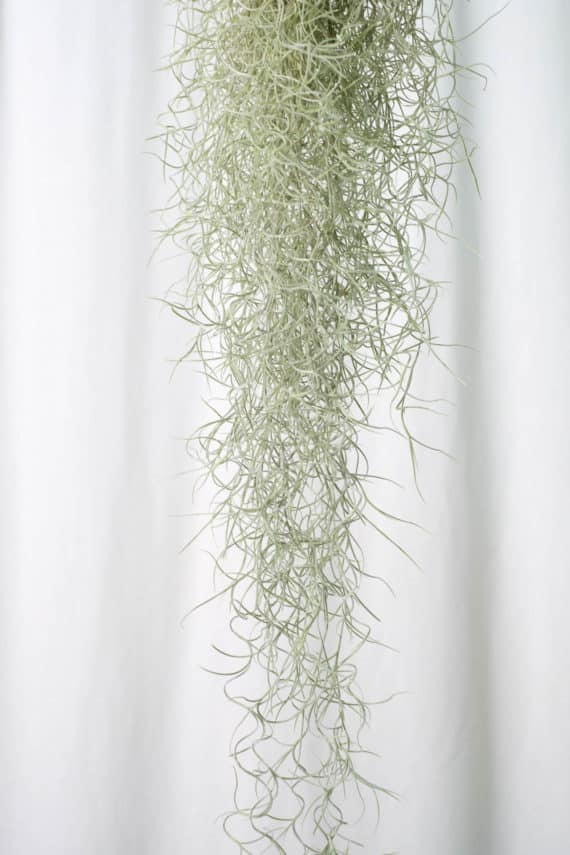
Spanish moss, also commonly known as Old Man’s Beard, is a tropical evergreen epiphytic perennial native to tropical America. Its latin name is Tillandsia usneoides. The name ‘Spanish Moss’ is a misnomer as this plant is neither Spanish nor a moss. It is a bromeliad, and the name has nothing to do with where it comes from. The beauty, non-toxicity and easy care of air plants are attracting more and more people to start their collections.
Since it likes relatively humid conditions, growing it in a light, bright bathroom or kitchen can be ideal – but Spanish moss can also thrive in other parts of your home as long as you make sure it gets the humidity and moisture it needs. When watering, ensure that water does not collect between the leaves, as this can cause them to rot. It is a good idea to tilt the plant slightly downwards or shake it gently after watering to avoid waterlogging.
The plant does not require a pot as it does not need soil. However, you can choose a pot for decorative purposes or for another plant.
We have to admit it: bushy or prickly, with round or lobed leaves, succulents are incredibly popular. In some homes, you can find impressive collections or creative arrangements. The range of colours and textures is a feast for the eyes.
Succulents are a real blessing when we travel a lot, are too busy or simply forget to water them. This is very important! The leaves, stems and roots of succulents are thick and fleshy, which allows them to store water and withstand harsher conditions with such stoicism. In short, loyal plants!
In warm weather, water more generously if you notice that the soil in the pot has dried out. In late autumn or winter, water less frequently, once a month. Overwatering and waterlogged soil are the most common causes of loss.
Fun fact: the only continent without native succulents is Antarctica.
The plant comes in a basic nursery pot.
We are happy to suggest and help you choose a new and appropriate one.
The plant comes in a basic nursery pot.
We are happy to suggest and help you choose a new and appropriate one.
Cycas palms, native to Japan and southern China, are true living fossils, having existed since before the dinosaurs. Their curved, rigid fronds seem as if they’ve been plucked from a scene in Jurassic Park. Although they resemble palm trees, they are actually cycads—a fascinating prehistoric species. They grow extremely slowly, adding only a few centimetres per year. It’s a plant that knows how to live grandly yet with minimal fuss. Learn how to care for it in the Plant Library.
The plant comes in a basic nursery pot.
We are happy to suggest and help you choose a new and appropriate one.
Asparagus plumosa or asparagus fern is neither fern nor asparagus, although it looks similar and is closely related to the common edible garden asparagus. Its presence in the house brings a “forest” vibe and it really likes hanging in baskets on the terrace or balcony during the summer.
Indoors, the key to a robust asparagus fern is to keep the plant well-watered, bushy and dense so that the lace-like foliage forms an attractive mound.
The plant comes in a basic nursery pot.
We are happy to suggest and help you choose a new and appropriate one.